

Help a buyer qualify the fit before requesting a quote
Web development for a West Valley City business should make the company's work understandable to the people evaluating it. Galactic Digital Studios combines content planning, design, and implementation around that goal. A visitor should be able to identify the relevant service and understand what happens after making contact.
The city's economic-development website emphasizes industrial and distribution connections. For a business serving commercial buyers, a website may need to explain capabilities and operating boundaries before anyone can discuss an order. A consumer service site has different priorities, so we do not assume the same structure suits every local business.
Consider a hypothetical West Valley City fabrication company. A useful page could describe the types of work accepted, information needed to assess a request, and examples the company is authorized to share. It should not invent equipment, capacity, certifications, or turnaround promises. Accurate detail gives the right buyer a stronger starting point.
Organize by customer need rather than internal departments
A visitor may not know your internal terminology or how the company assigns work. Name services in language customers recognize, then introduce technical detail where it helps them compare. If two audiences require different explanations, give them distinct paths instead of mixing every question into the homepage.
A strong service page can combine a concise overview with capabilities, constraints, examples, and a relevant inquiry action. Explain unfamiliar terms rather than expecting a new buyer to interpret an unexplained list. Keep essential information in readable page content and use downloadable documents as supporting material where they serve a real purpose.
Plan the relationship between the website and sales documents or business graphics. A capability sheet should lead to a page that develops the same message. When the offer changes, both should remain consistent. This is especially important when a customer forwards a document to someone who has never spoken with your team.
Make forms useful without turning them into obstacles
An inquiry form should collect the information needed for the next step, not every detail the project might eventually require. Decide what a visitor can reasonably know at first contact. Service type, a brief description, and relevant location may be enough to begin; other fields should have a clear purpose.
If the project requires uploads, booking, or connections to an external system, discuss those features before choosing an implementation. File handling and integrations create different requirements from a simple form. Clarify the receiving workflow, account ownership, and what happens when a submission fails. The website and your internal response process need to agree.
Quote requests and confirmed orders are different actions. Make the distinction visible so customers do not assume availability, pricing, or acceptance before review. For a West Valley City business working across the valley, explain where service is offered and when a conversation is necessary. A precise next step is more useful than a generic promise to handle everything.
Treat launch as a checked workflow
Start by mapping services, audiences, and the information available for each page. Decide who writes, reviews, and supplies images. For a replacement website, review important existing addresses and plan redirects where appropriate. If an identity update is underway, coordinate logo design before finalizing the visual interface.
Review a representative page before multiplying layouts. Test whether someone can identify the service and next action on a narrow screen. Development review should include keyboard navigation, readable content, useful form feedback, and images that suit their display size. Feedback should explain the customer problem a change would solve.
Before publication, check links, form delivery, account access, and the agreed editing process. Clarify hosting and ongoing responsibilities. Budget and timing reflect page count, content readiness, technical behavior, and approval needs. A fixed target date may require separating essential launch features from later work, with those priorities agreed before development is far along.

Ask what a website example actually demonstrates
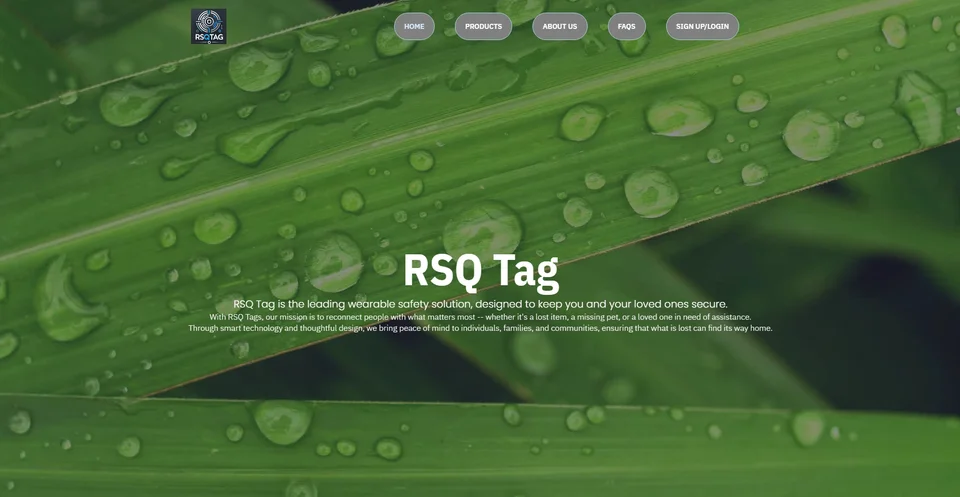
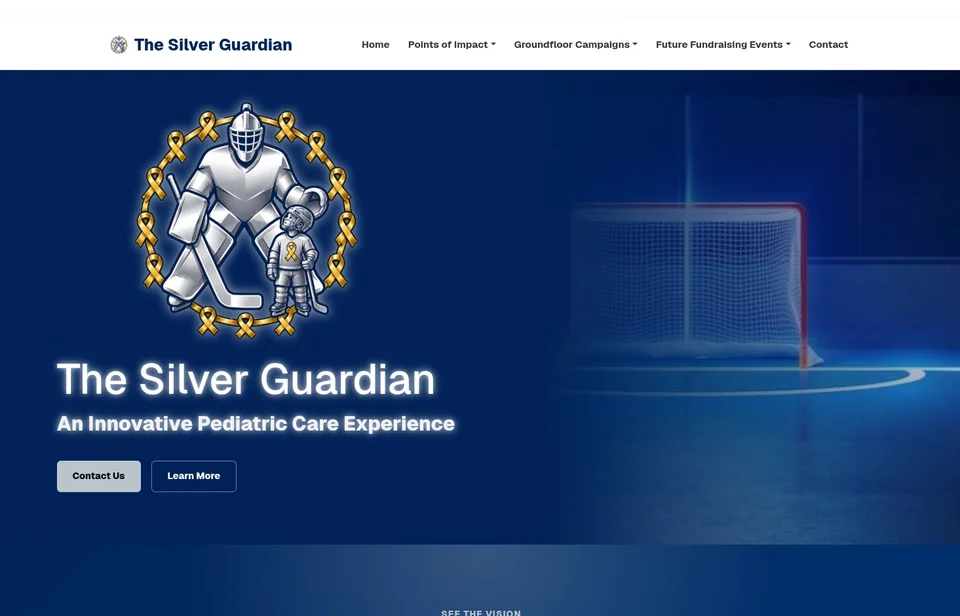
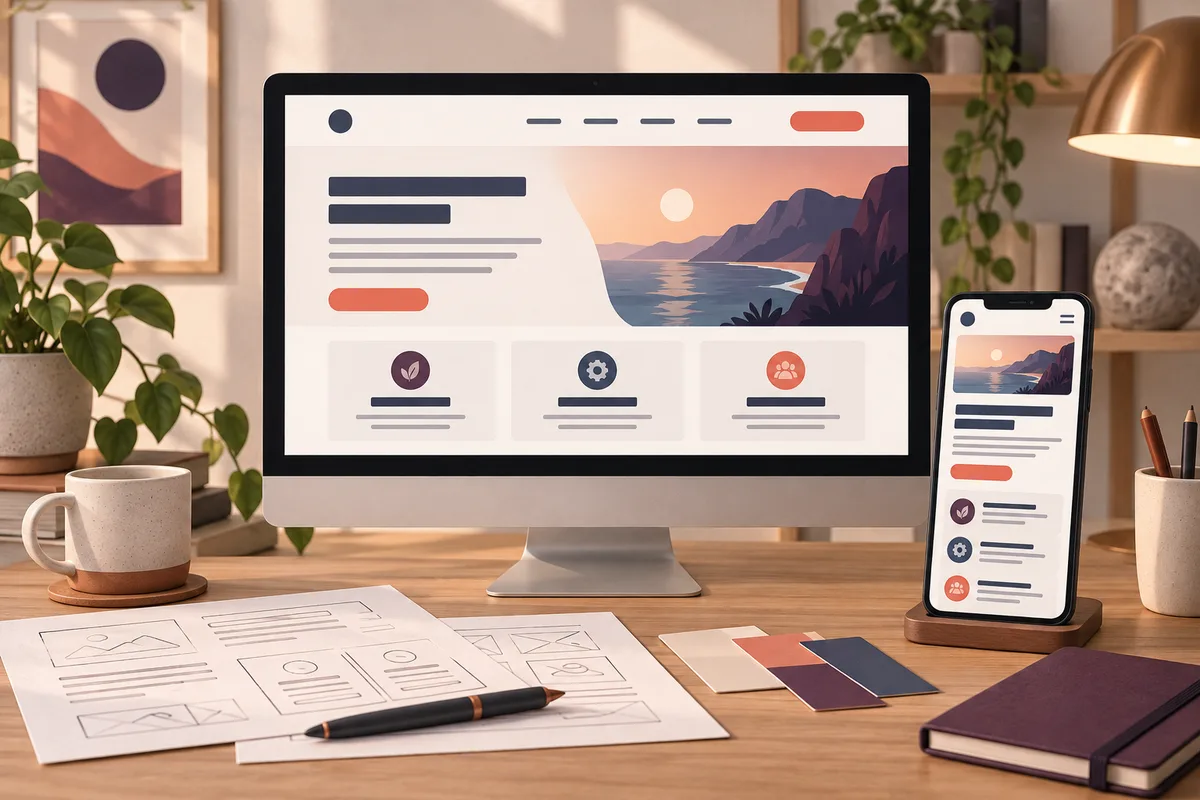
The website images here are existing Galactic portfolio examples, alongside a clearly labeled conceptual illustration. They are not claimed West Valley City projects. Use them to discuss layout, hierarchy, and visual treatment. Screenshots cannot prove how an integration behaves or how easy an editing workflow will be for your staff.
When exploring the portfolio, connect the sample to a requirement. A clear introduction or a well-organized service explanation may be relevant, while a different business's feature set may not be. Ask how the proposed scope will address your specific audience and technical needs.
Galactic collaborates remotely with West Valley City businesses. Your team supplies accurate operational information while the project turns it into pages and interactions. A clearer website can support credibility and inquiries, but it cannot guarantee traffic, rankings, or sales. Keep those outcomes distinct from the concrete usability and communication improvements the build can deliver.

Keep capabilities and coverage current after launch
Assign responsibility for reviewing the information a buyer relies on. When services, equipment, or accepted project types change, related pages and documents need attention. An impressive description that no longer reflects operations creates unnecessary conversations and can undermine trust before the work begins.
Discuss routine updates, software maintenance, backups, and support explicitly. These may involve different tasks and providers. Identify what the business can edit directly, which accounts it controls, and how future assistance is arranged. A handoff should make the site manageable rather than leave all knowledge with one person.
If your service territory includes Taylorsville or Kearns, our related pages offer regional service references. On your own website, additional location pages should answer distinct customer questions. Real coverage and meaningful differences are a better basis for regional content than repeating the same page under several city names.
Questions about web development in West Valley City
Can a website support more useful quote requests?
Yes, by explaining the service and asking for relevant starting information. It cannot guarantee the quality of every inquiry. Your offer, audience, traffic, and follow-up process also affect the conversations that result.
Do technical services need very long pages?
They need enough detail to answer the buyer’s questions. Use clear summaries and descriptive sections so readers can choose their level of detail. Length by itself is not a substitute for accurate, relevant information.
Can we keep existing service documents?
Review them for accuracy, readability, and consistency with the site. Useful documents can remain part of the journey, while essential information should also be available in accessible page content.
Are integrations included automatically?
No. Describe the systems and actions required before estimating the work. A simple external link differs from data transfer or account-based functionality. Dependencies, costs, and responsibilities should be defined in the scope.
What affects the launch schedule?
Content preparation, feature complexity, access to existing systems, and review availability all matter. Share the target date and dependencies early so the plan can prioritize a complete, usable launch.
A practical next step
Turn a visit into an informed next step.
Share your current site, service mix, and inquiry workflow. We can discuss the content and development needed to make the customer journey clearer. See the broader West Valley City design offering when the project also involves identity or sales materials.
Plan your West Valley City project