

Help customers judge whether the work fits their needs
Web development for a Fircrest business should make expertise understandable. Galactic Digital Studios helps connect service information, relevant examples, and inquiry actions in a website that people can use before speaking with the owner. A visitor should be able to identify what you do and why a particular service might be appropriate.
Fircrest's city history emphasizes its planned residential origins and community character. For website planning, that can inform an approachable presentation without assuming every customer has the same needs. The useful details still come from your business: the work you accept, the process you follow, and the information needed to begin.
A hypothetical independent professional might need to explain a service unfamiliar to first-time buyers. A hypothetical project-based business might need to show the difference between a small engagement and a larger one. Those are content and navigation decisions before they are visual effects. The site's structure should help people make that distinction.
Present examples with enough context to be useful
An image gallery can attract attention without explaining what the business contributed. A useful project example identifies the task, the relevant decisions, and the part of the work you are authorized to show. Keep descriptions accurate and avoid suggesting that every visual result proves a measurable business outcome.
Choose examples that relate to the work you want customers to understand. A small number of well-explained projects may be more helpful than a large undifferentiated gallery. Where client details cannot be shared, discuss an appropriate way to present the work without inventing a case study or exposing information that should remain private.
Connect examples to the relevant service explanation. Someone who likes the work should be able to learn what a comparable engagement involves and how to inquire. The page should not require them to infer the entire process from a photograph or a project name.

Explain scope before collecting a request
Service content should help visitors assess fit independently. State the purpose of the service, the kinds of needs it addresses, and what usually requires further discussion. If pricing or timing depends on individual requirements, explain the factors rather than publishing an unsupported fixed commitment.
Inquiry fields should follow the information the business needs to start a useful reply. A project category and short description may be enough initially. Additional fields should earn their place by changing how the request is assessed or routed. Avoid making customers complete an extensive specification before they understand the offer.
Describe the action honestly. An inquiry, estimate request, and confirmed appointment are different outcomes. The button, form, and confirmation should agree about what has happened. That clarity helps staff manage expectations and helps customers know whether they are waiting for a response or have completed a booking.

Keep the important explanation clear on a phone
We plan the reading order around customer questions. Use meaningful headings, concise introductions, and relevant links so a visitor can move between an overview and deeper detail. The mobile layout should retain useful qualifications and evidence rather than reduce the site to a large image and a contact button.
For Fircrest customers, accurate location language also matters. Explain actual visiting arrangements and service coverage. A business that meets by appointment should not imply unrestricted walk-in availability, and a service-area reference should not imply an additional branch. Confirm the facts with the owner before presenting them prominently.
Images should be appropriately sized and described, while essential information remains readable text. Discuss any external tools in the context of the workflow they support. A scheduling integration or upload feature brings ongoing responsibilities, so include it because it solves a real task and can be maintained by the business.
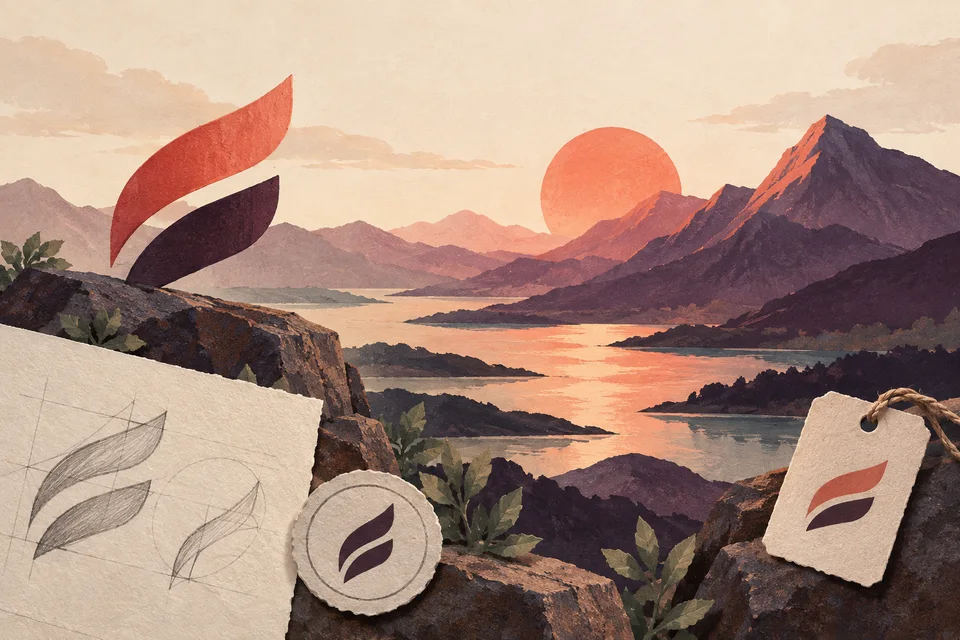
Let’s plan web development around your Fircrest customers’ next decision.
Check content, interactions, and handoff together
A website project can move from audience and content planning to page outlines, visual direction, implementation, and review. Work with real service descriptions and available examples early. That helps reveal missing information and prevents a layout from depending on idealized sample content.
Review the working site through realistic tasks. Find an appropriate service, understand a project example, and submit an inquiry on a phone. Test required-field errors and confirmation messages, and verify the receiving process. A polished screenshot cannot establish whether the website's main action actually works.
Before release, check key links, headings, metadata, image loading, keyboard access, and the agreed features. If replacing an existing site, review important URLs and content that should be preserved or redirected. Establish account ownership and publishing responsibilities so launch and later updates have a clear path.
Account for evidence preparation and future updates
Website scope includes more than building page layouts. Project descriptions, image permissions, copy development, migration, and integrations can all affect cost and timing. Preparing a useful portfolio section may require work even when the underlying images already exist. Discuss what the business can supply and what needs development.
Decide who will add new examples and update service information after launch. Staff may need a straightforward editing process for a few recurring tasks. Confirm the tools, access, and guidance required for those changes, and distinguish ongoing support from the initial build.
Compare proposals by deliverables, behavior, and responsibility. Hosting, domain management, third-party subscriptions, revisions, and launch support should be explicit. A realistic schedule also depends on consolidated feedback and factual approval. Leave time for testing after the design is accepted rather than treating visual completion as the end of the project.
Ask how a page supports an informed decision
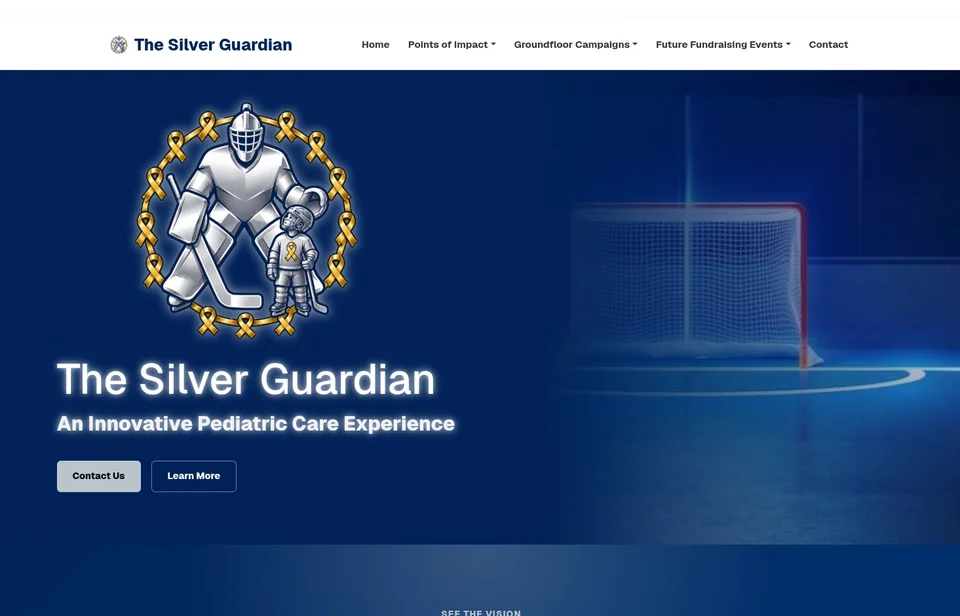
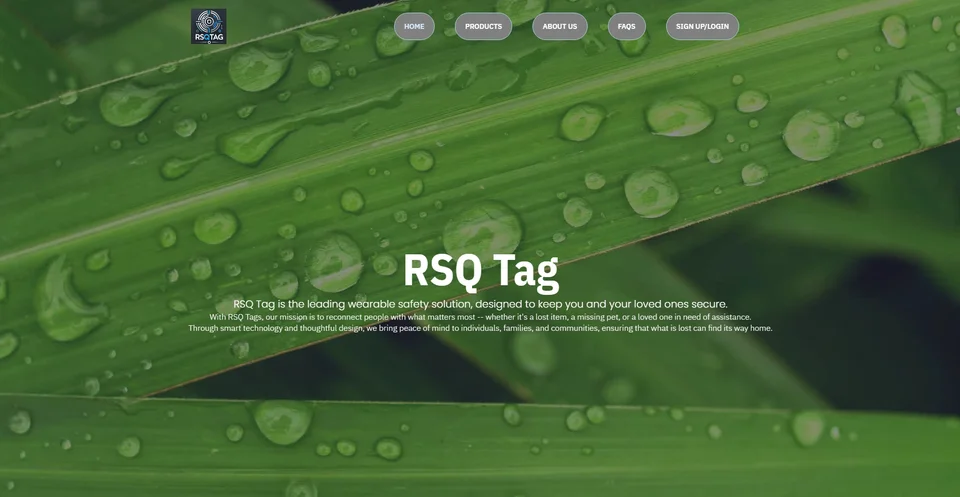
Galactic's portfolio provides existing work for discussing hierarchy, presentation, and the connection between an offer and its website. The examples shown here represent broader studio work, not claimed Fircrest clients. Ask how the relevant decisions could help your own customers evaluate fit.
A clearer site can support credibility and useful inquiries, but it cannot guarantee search positions or customer volume. Review the release against understandable content, reliable actions, and manageable updates. Later business results should also account for traffic, demand, availability, and the response people receive after contacting the business.
Questions about web development in Fircrest
Do we need a large portfolio before starting?
No. A few relevant examples with accurate context can be useful. If examples are limited, clear service and process explanations still matter. Do not invent projects or results to make the site appear more established.
Can we show work without naming the customer?
Potentially, depending on permissions and the information involved. Confirm what may be published before building the example. The description should accurately represent your contribution without revealing details that should remain private.
Should every project have its own page?
Only when there is enough useful information to justify it. A concise grouped presentation may work for simpler examples. Choose the structure around customer understanding and the team’s ability to keep the content current.
Can we keep existing service pages?
Yes, if they remain accurate and useful. Review the content, important URLs, and any technical limitations during planning. A rebuild can improve the structure while preserving material that already answers customer questions well.
What affects the launch schedule?
Content readiness, image permissions, technical dependencies, and feedback all affect timing. Assign a decision-maker and identify deadlines early. The schedule should include a working review and testing before the new site is released.
Connect the next part of your project
Fircrest web & design services · Fircrest graphic design · Fircrest logo design · Explore the Galactic portfolio · Browse all service areas · Design services in Tacoma · Design services in Lakewood
Plan your next step
Give your business a useful next step
Share your current website and the work customers need help understanding. We can plan Fircrest web development around clear scope, relevant examples, and a practical next step.
Discuss your Fircrest project