
Help the right buyer assess the fit
Web development for Cheyenne businesses with capabilities to explain
Galactic Digital Studios provides web development for small businesses in Cheyenne, Wyoming. We build websites that explain the offer, show relevant information, and help a prospective customer decide how to begin. A useful site should support the questions behind a buying decision, not just announce that the business exists.
Cheyenne LEADS works on business recruitment, retention, and expansion in Cheyenne and Laramie County. For a local provider trying to communicate its capabilities, the practical task is to make the service understandable to someone who may be encountering the company for the first time.
We start with the work you want to be considered for and the information your team needs to assess a request. Those requirements shape the site structure, content, and inquiry experience before development begins.
Answer the comparison questions
Give each service page a clear job
Define the work
Explain what the service includes, the situations it suits, and any important limits. A buyer should not have to infer the offer from a broad category name or a gallery of images.
Support the explanation
Show relevant examples and explain the part your business handled. Useful evidence helps someone understand the work without relying on unsupported claims or unexplained credentials.
Prepare the inquiry
Describe what happens next and what information helps your team respond. The action should match the service and the level of commitment being requested.
Turn internal knowledge into customer-facing information
A business often knows much more about its services than the website reveals. Gather the questions your team answers repeatedly and the distinctions that affect a project. Those details can help determine whether a service needs its own page, a comparison, or a clearer explanation within an existing section.
For a hypothetical Cheyenne specialist, useful content might identify accepted project types, required information, and the steps before an estimate can be prepared. For a shop offering an additional service, the page might explain how that service differs from an ordinary purchase. These are possible requirements, not local client claims.
Use plain headings and direct answers before adding detail. Keep important explanations in readable text, and place related examples near the claim they support. A downloadable document can help a buyer share information, but it should not be the only place the core offer is explained.
Useful content and a usable interface
Connect the evidence with a practical next step
Galactic's approach brings content, design, and development into the same discussion. We consider what someone needs to understand before clicking, which details the inquiry should collect, and what confirmation should follow. Each stage should describe the same service and set consistent expectations.
Mobile layouts and keyboard access matter throughout that journey. Navigation should make relevant pages easy to reach. Forms need understandable labels and useful feedback when information is missing. The site can express the business's personality while keeping essential actions clear.
Focused explanations support credibility and give search systems clearer context. Consistent branding helps recognition, while relevant inquiry paths can support leads. A maintainable content structure gives the website room to develop as services grow. None of these choices guarantees rankings, AI-summary inclusion, or commercial results, but they provide concrete improvements to the experience.
Let’s build a Cheyenne website that makes your capabilities clear and your next inquiry more useful.
Compare the responsibilities behind the website
A proposal should explain content preparation, imagery, design, development, forms, integrations, and launch. Ask who verifies service details and which examples can be published. A small site with complicated inquiry requirements can need more planning than a larger set of straightforward pages.
If you already have a website, identify useful content and important URLs. Decide what stays, what changes, and where redirects are needed. Confirm access to the domain, hosting, and connected tools before launch depends on them.
Discuss routine editing, technical maintenance, recurring subscriptions, and support separately. Your team may need to update project examples or service descriptions without managing every technical task. The handoff should reflect the work they actually expect to do.
Budget and timing depend on the content, custom features, integrations, and review process. Coordinate Cheyenne graphic design for supporting materials and logo design if the identity needs attention. A focused first release can leave room for later improvements while still answering the customer's essential questions.
Make each stage reviewable
From service discovery to website launch
Gather the decision-making information
Review priority services, customer questions, examples, and current pages. Identify missing facts and responsible reviewers. Define the actions the site needs to support.
Plan and design the explanation
Organize content around meaningful service distinctions. Review representative layouts with realistic text and imagery. Resolve major navigation and evidence gaps before building every page.
Develop and check the journey
Build the agreed content and interactions. Check mobile behavior, keyboard use, forms, and external handoffs. Review error and confirmation states alongside the normal path.
Launch with clear ownership
Verify links, metadata, redirects, and inquiry delivery. Confirm editing access and maintenance arrangements. Record future content or features separately from launch requirements.
Use portfolio examples to discuss the details
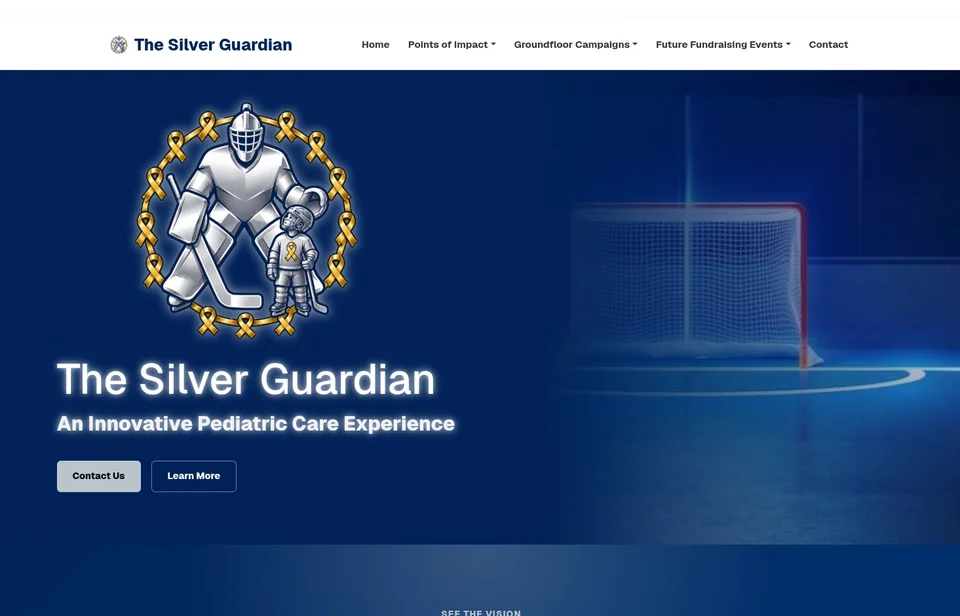
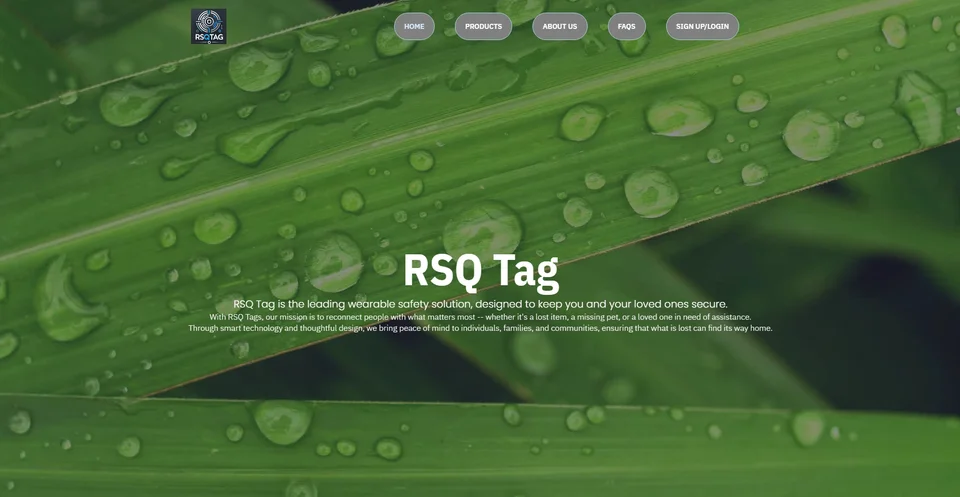
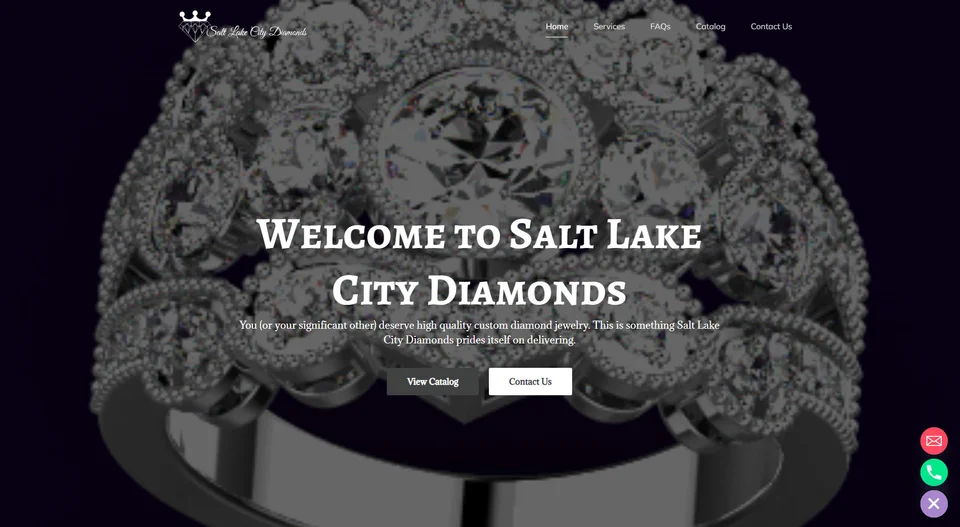
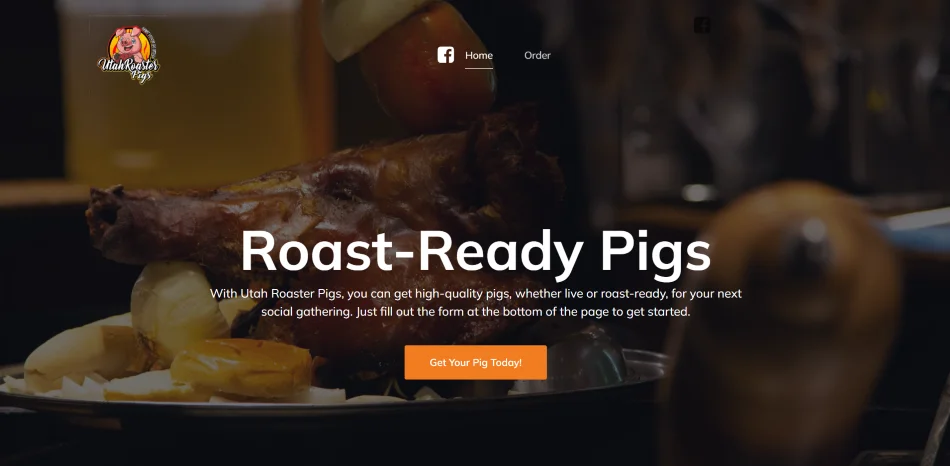
The website selections here include The Silver Guardian, RSQ Tag, Salt Lake City Diamonds, and Utah Roaster Pigs. They come from Galactic's existing portfolio and show different ways to organize content and visual emphasis.
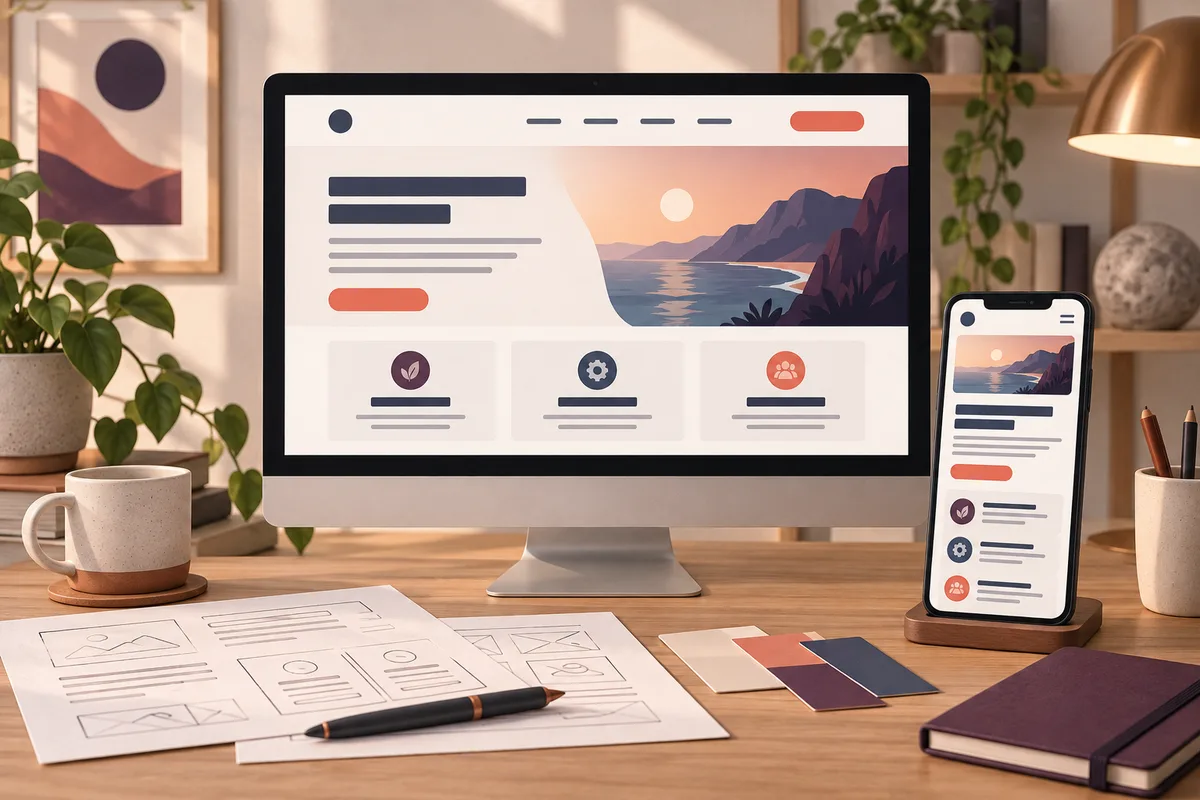
The responsive web design illustration is an AI-generated concept showing desktop and mobile layouts, wireframes, and color planning. It is separate from the client portfolio examples and does not represent a completed customer project.
Look at how each presentation introduces the subject and directs attention. Then discuss what your own audience needs. A screenshot can support a design conversation, but editing access, form behavior, and future integrations require their own explanation in your proposal.
Galactic began in Ogden in 2015 as Galactic Web Solutions. Explore the portfolio and studio background for context. These examples are not presented as Cheyenne commissions or proof of a promised business outcome.
Choose local details that help the customer act
Visit Cheyenne's shopping guide identifies downtown and Dell Range as different shopping settings. A customer-facing location may need useful visit information, while a company assessing projects before accepting them needs a different path.
Describe actual working arrangements and coverage. Avoid making readers infer whether they can visit, book, or request work at another location. Regional context should clarify the service rather than replace the explanation with a list of places.
If your business also operates in western Wyoming, explore Evanston web development. The Cheyenne digital services overview connects the website with identity and business materials. Each additional location page should provide information worth maintaining.
Cheyenne web development questions
How detailed should a service page be?
Include enough information to assess fit: the work offered, relevant limits, useful examples, the process, and the next step. Add detail where it answers a real buying question rather than to fill space.
Should project examples include results?
Include results only when they are accurate, relevant, and permitted for publication. Explain the work performed and avoid implying that a past outcome is guaranteed for every future customer.
Can we keep a downloadable capability sheet?
Yes. It can help someone share information internally, but the core service explanation should also be available on the page. Plan how both versions stay aligned when details change.
What should an inquiry form ask?
Ask for information that helps the first response, such as service interest and project context. Avoid demanding details your team does not need yet, and explain what submission starts.
Can our team add new examples after launch?
Discuss that editing need before development. The implementation and handoff can then reflect your workflow, including who approves content and checks permissions before publication.
Make the business easier to assess
Give your Cheyenne website the substance behind the first impression.
Bring your services, examples, and recurring customer questions. We can turn that knowledge into a clearer website and a practical route toward the right conversation.
Discuss your Cheyenne website