

Turn a good business explanation into a useful piece of design
Graphic design for Shelton, Washington businesses should make information easier to understand and use. Galactic Digital Studios helps shape brochures, service documents, promotional pieces, and related materials around a clear purpose. The work begins with what the reader needs to know, not with filling a page. A polished layout is most valuable when it helps someone compare an offer or prepare for the next conversation.
Shelton’s timber heritage remains visible in the historic downtown documented by the Mason County Historical Society. That setting offers context for visual choices, but it does not prescribe a style for every business. A contemporary professional service, a neighborhood shop, and a trades business may need very different materials. Your audience and offer should determine the tone, with local references used only when they support the message.
Give every piece one primary job
A brochure introduces an offer; a service sheet explains it in more detail; a proposal helps a particular customer assess a defined project. Trying to combine all three into a small handout often produces cramped pages and competing messages. Decide where the piece enters the customer conversation, what information it must contain, and what the reader should do after using it.
For example, a hypothetical Shelton contractor might need a concise introduction for referrals and a separate document explaining how estimate requests work. The introduction can stay useful for a long time while the process document changes as the business develops. This is an illustrative planning scenario, not a local portfolio claim. Separating these purposes can make the materials clearer and reduce unnecessary redesign when one detail changes.

Establish a hierarchy before adding visual detail
Readers need an obvious starting point. A headline should identify the subject, supporting text should answer the next likely question, and the desired action should be easy to locate. Group related information and use spacing deliberately. When every statement has the same visual emphasis, the reader must work harder to distinguish the essential offer from secondary detail.
Galactic considers the message, the format, and the setting together. A document read during a conversation can carry different detail from a piece someone notices briefly. A downloadable PDF also needs to remain readable on the screens customers use. Agree on the priority content first, then use typography, color, imagery, and layout to make that priority visible throughout the piece.

Design for the way materials circulate
Shelton’s role as the Mason County seat is useful context when discussing a business that serves both city and wider county customers. A brochure should describe the company’s actual coverage, visiting arrangements, or project process. A broad regional reference should not imply that every reader is eligible for the same service or that the business maintains several locations.
Consider what happens after the first handoff. Will a customer pass the document to another decision-maker? Will staff attach it to an email? Will copies remain on a counter while details change online? Keep the main explanation understandable on its own and give changing information a deliberate home. If a printed piece points to a website, check the destination before production and keep the promised information easy to find there.
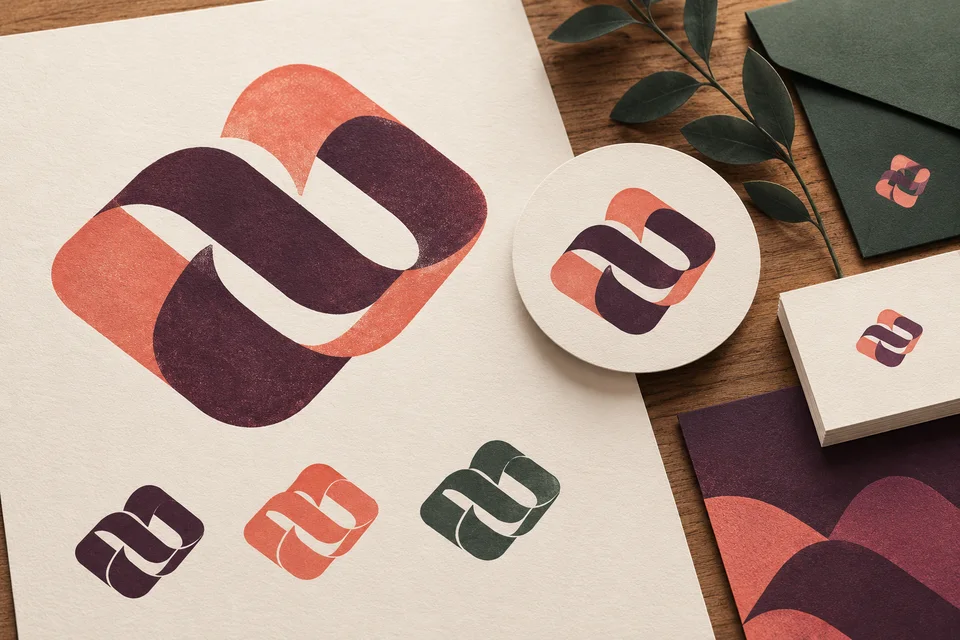
Plan Shelton business materials that make your offer easier to understand.
Review content and format before production
A project can begin with an inventory of existing materials, brand assets, and the situations where staff need better support. We can then define the deliverables and develop a representative layout. Early review should establish whether the message is accurate, the reading order is clear, and the proposed format suits the way the business intends to distribute it.
Refinement should include careful proofreading and a check of the final details that affect production. For print, confirm the supplier’s specifications, dimensions, folds, margins, and required file settings. For digital delivery, discuss appropriate formats and whether links or editable versions are needed. Printing, mailing, and other vendor services should be explicitly addressed in the scope rather than assumed to be included in the design fee.

Budget for a usable family of materials
The amount of original content, the number of distinct layouts, illustration needs, and the quality of supplied assets all affect cost. Adapting an approved design to another size may be relatively straightforward, while reorganizing a dense service document can require substantial editorial thinking. List the actual formats and audiences so the proposal reflects the work rather than an ambiguous request for marketing materials.
Timing includes your review process and any outside production deadline. If several people approve technical statements or offer details, identify them early and consolidate their feedback. Ask which source files and exports will be delivered, what licenses apply to supplied assets, and how future revisions will be handled. Editable templates only help when the intended users have the right tools and understand how to preserve the design.
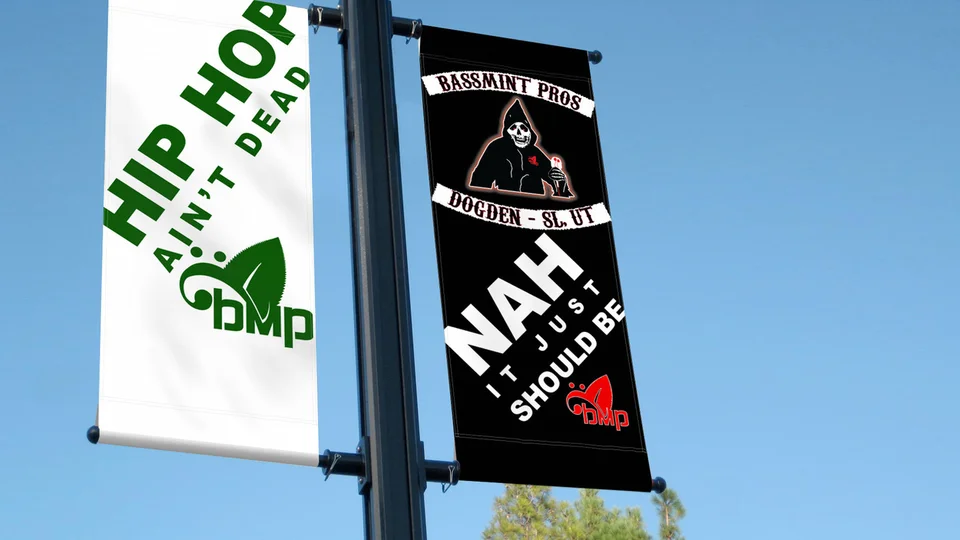
Look for evidence of clarity, not just decoration
The portfolio examples shown here demonstrate existing Galactic design work; they are not presented as Shelton commissions. When reviewing examples, look at the relationship between the main message and supporting details. Consider whether the typography is readable, the grouping makes sense, and the visual system can hold up across different formats. Those qualities are more transferable than a particular color scheme.
Graphic design can support credibility, recognition, and a more productive sales conversation. It does not determine how many people see a piece or guarantee that they buy. Distribution, offer quality, timing, and follow-through still matter. After using new materials, ask staff what customers understand quickly and where they still need explanation. That feedback can reveal a useful revision before you commission another format or print a large additional run.
Common questions about graphic design in Shelton
Do we need a complete brand redesign first?
Not necessarily. A usable logo and a few consistent visual rules may provide enough foundation for the materials you need. Reviewing the current assets helps identify whether the problem is the identity itself or simply the way information and design have been applied.
Can one design work for print and online use?
A common visual direction can support both, but the final files usually need to reflect their different uses. A printed brochure and a screen-friendly document have different reading conditions. Specify both needs at the start so the project includes appropriate adaptations instead of relying on a single export.
What if our wording is not ready?
Bring the facts, intended audience, and questions the piece must answer. Discuss writing and content organization as part of the scope. Layout can help clarify information, but the business still needs to verify service claims, availability, and any terms before final approval.
Can we update the materials ourselves?
That depends on the format, software, and template arrangements agreed for the project. Identify the changes you expect to make and who will make them. Simple recurring updates may suit a template; major content or layout changes may need additional design work.
How do we avoid ordering materials that become outdated?
Separate durable information from details that change often, review the proof carefully, and choose a production quantity that fits your actual distribution plan. A maintained website can hold current details when appropriate. Confirm that any printed link will remain useful for the life of the piece.
Plan your next step
Give your message a form customers can use
Bring the materials your team relies on and the questions they still have to explain. We can discuss graphic design that gives your Shelton business a clearer, more consistent introduction.
Discuss your Shelton project