

Explain how customers work with you before asking them to inquire
Brier’s municipal code describes its residential areas in terms of preserving a semi-rural character. For a business based in that setting, a website can provide the introduction that a public storefront might otherwise offer. It should explain the service and the working arrangement without implying that customers can arrive unannounced at a private location.
A professional working remotely, a mobile provider, and an appointment-based operation need different information online. The site should state which model applies. Location language is useful when it helps customers assess availability, but it should not substitute for an explanation of the actual process.
Galactic builds Brier websites around that distinction. We consider what a visitor needs to understand before making contact and what the owner needs to know before responding. The result should support a useful first conversation rather than simply create another channel for vague messages.
Help visitors recognize both fit and limits
A service page should explain the work accepted, the problems addressed, and the boundaries that matter. For a hypothetical independent specialist, this might include project types, necessary inputs, and the difference between advice and implementation. The visitor should not have to request a meeting just to discover that the service is unrelated to their need.
Describe the process in terms the customer understands. Explain what the initial conversation establishes and which decisions happen later. When price depends on scope, identify the factors involved instead of inventing a starting figure. When availability must be confirmed, avoid language that makes an inquiry sound like a reservation.
Include evidence appropriate to the offer. Approved work examples, a clear explanation of deliverables, or a documented process can help visitors evaluate credibility. An impressive visual introduction is less useful if the page never explains what the owner actually does.

Collect enough information for a useful first response
Plan the inquiry form from the receiving side. Identify which details change the owner’s next decision. A short description of the need, relevant location, and desired outcome may be more useful than a long form asking for information the visitor cannot yet provide. Leave detailed assessment for the appropriate stage.
For a Brier-based provider with customers elsewhere, distinguish remote work from travel-based availability. Ask about location only when it affects service. Do not turn a general inquiry into an unnecessary collection of private documents or detailed personal information. The first contact should establish fit and a sensible next step.
Decide who receives the submission and what the acknowledgment says. An owner handling inquiries between appointments may need a different workflow from a staffed office. State only response expectations the business can maintain, and make clear whether a request has been received or a service has actually been confirmed.

Build a small information structure with clear responsibilities
Galactic organizes the site around the questions the audience asks. A focused business may need a concise overview, detailed service information, useful evidence, and a contact path. More pages are justified when they answer different questions, not simply because a larger site seems more impressive.
Content and development decisions belong together. Headings should reveal the structure, links should explain their destinations, and forms should provide understandable feedback. Phone layouts and keyboard operation matter because visitors may arrive in different contexts. Important service facts should remain readable page content rather than text embedded only in images.
For a rebuild, review the current content and useful URLs before changing the architecture. Preserve valuable information and plan redirects where destinations change. A new presentation should not create avoidable dead ends for people following existing links or returning to a familiar resource.

Include the owner’s editing needs in the project
A useful scope describes page types, content responsibilities, required functions, and any connected systems. It should also identify which details the owner will change regularly. A site that is easy to read but difficult to maintain can quickly fall behind the business it represents.
Budget depends on writing, migration, integration, and testing as well as visual design. Timing depends on approved content and access to existing accounts. Gather service descriptions and images early, and assign a reviewer who can resolve factual questions. If there is a deadline, identify the smallest complete release that supports the main customer task.
Discuss domain, hosting, account control, recurring tools, and support before launch. Clarify who handles routine updates and what requires technical help. The owner should understand the ongoing responsibilities without having to learn every implementation detail behind the site.
Verify the conversation path from beginning to end
Discovery establishes the audience and desired actions. A content outline then tests completeness before layouts are polished. Implementation turns the approved structure into working pages. Review each stage against the customer task so feedback remains specific and new features do not accumulate without a reason.
Before launch, test a real submission through to the receiving workflow. Check required fields, error messages, and confirmations. Review internal links, responsive layouts, keyboard use, and image behavior. Metadata, canonical URLs, and indexing settings should match the intended publication environment.
At handoff, demonstrate common edits and document access arrangements. Services and working preferences may change as an independent business develops. Assign responsibility for keeping those facts accurate and for checking connected tools after changes. The site’s usefulness depends on this ongoing attention as well as its launch quality.
Look for an understandable offer in portfolio examples
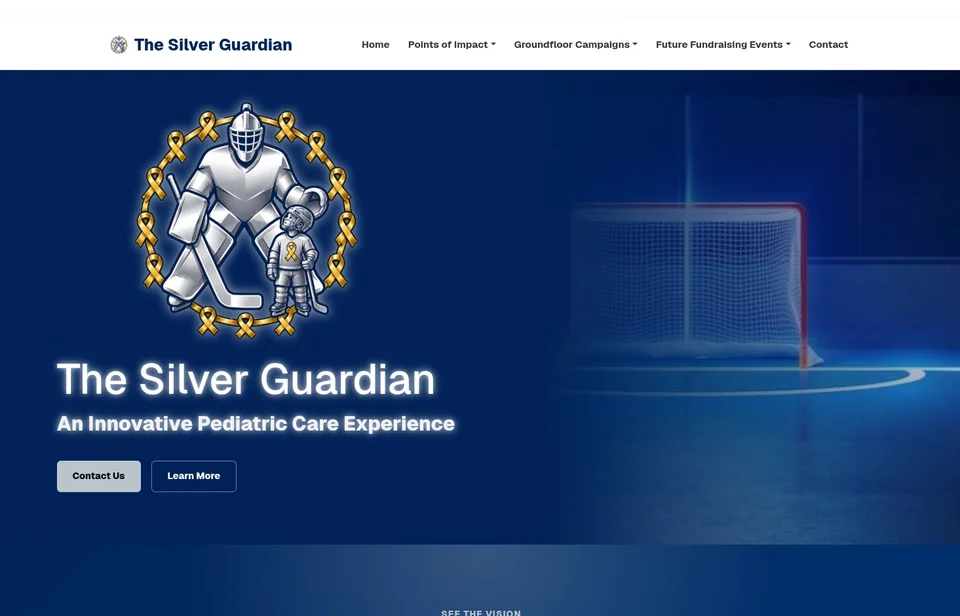
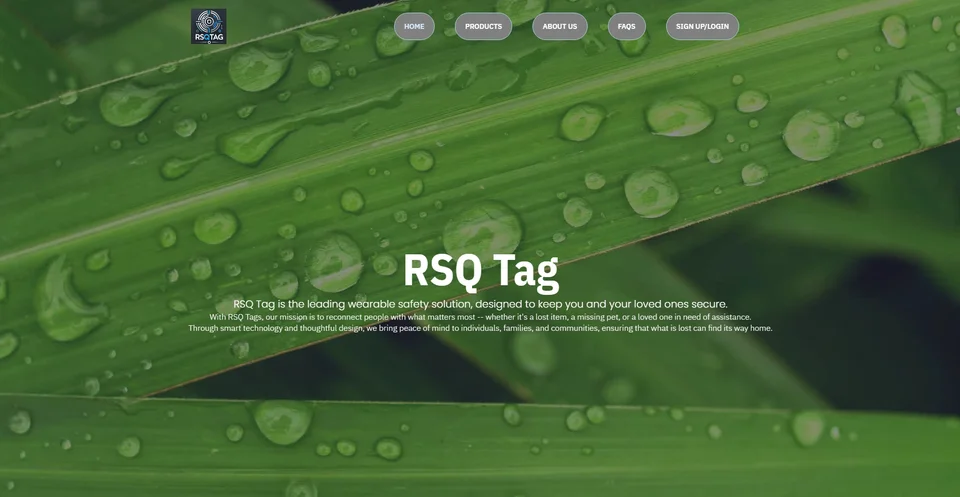
Galactic’s website portfolio provides completed work for discussing layout and information hierarchy. The examples shown are not Brier client projects. Look at what a visitor can understand quickly and how the content supports the next action, then consider where your own service requires a different explanation.
A clearer website can support relevant inquiries and credibility, but it does not guarantee rankings or sales. After launch, examine the questions people still ask and whether the owner can respond usefully to submissions. Those observations can identify a focused content change without assuming a larger rebuild is needed.
Brier graphic design can align proposals and capability sheets with the site, while logo design can address the underlying identity. Bothell and Seattle service pages provide related information when the business genuinely serves a wider audience.
Questions about web development in Brier
Can a small site explain a specialist service well?
Yes. A focused structure can work when each page answers a useful question. The amount of explanation should follow the complexity of the offer rather than a predetermined page count.
Do we need a booking system?
Only if the business has a defined scheduling process that can be maintained accurately. An inquiry may be more suitable when scope must be discussed before an appointment is arranged.
What proof can we include without testimonials?
Use approved project examples, clear deliverable descriptions, and an understandable process. Do not invent results or client relationships to fill a gap in the content.
Can the site support remote clients?
Yes. Explain how collaboration works and which services can be delivered remotely. Keep regional coverage and physical-location claims accurate.
How much maintenance is involved?
That depends on the implementation and connected tools. Agree on routine content updates, technical support, access, and recurring costs before handoff.
Related services and nearby areas
Brier web & design services · Brier graphic design · Brier logo design · Bothell services · Seattle services · Galactic portfolio
Plan your next step
Put clearer communication to work.
Make your expertise understandable before the first meeting. Bring the current site, common customer questions, and the kind of inquiry you want it to support.
Discuss your Brier project