

Explain the service before asking for the inquiry
Web development for a Maltby business should help a visitor understand whether the business can handle the work they have in mind. Galactic Digital Studios connects content, design, and implementation around that decision. A useful website gives people enough context to make an informed request and gives the business a manageable way to respond.
Snohomish County's planning resources distinguish the Maltby urban growth area from surrounding rural land. For website planning, the useful lesson is to describe the business's actual working area rather than treating a planning boundary as a service map. A customer needs to know whether their request fits, not decode administrative geography.
A hypothetical mobile service might ask for a general project location early in an inquiry. A hypothetical workshop might explain whether visits require an appointment. These examples are planning possibilities, not descriptions of local clients. The final content should reflect your business's current procedures and the information you can confidently publish.
Organize pages around meaningful service differences
Separate services when the customer needs different information to choose between them. A repair, installation, and ongoing maintenance visit may involve different preparation, scope, and next steps. Those distinctions can justify their own pages. Repeating nearly identical descriptions under different headings makes comparison harder without adding useful guidance.
Begin each page with a direct explanation of the service and who it suits. Then answer the questions that affect fit: what is typically discussed, what information helps establish scope, and what requires an individual assessment. You do not need to publish an exact price when the work cannot responsibly be priced without further details.
Navigation should make the relationship between the pages clear. A visitor arriving directly at a service page still needs a route to relevant examples and a next step. Returning customers may need a faster path to familiar information. Plan both journeys before expanding the number of pages.

Ask for enough information to start a useful reply
An inquiry form should reflect the conversation your staff needs to begin. Name, reply details, service interest, and a short description may be enough for a simple request. Add fields only when the information changes how you assess or route the inquiry. A long form can impose work before visitors understand the benefit.
Explain the status of the action clearly. Sending an inquiry is different from receiving an estimate, confirming an appointment, or reserving availability. The button, confirmation message, and follow-up wording should describe the same action so customers know what has happened and what remains to be arranged.
Discuss optional features such as attachments or third-party scheduling separately. Each brings implementation and maintenance considerations. An upload should have a clear purpose; a booking tool should match how the business actually manages appointments. The simplest useful flow is often easier for both customers and staff to maintain.

Make the mobile reading order do the work
A phone layout should preserve the important explanation instead of reducing the site to a large image and a contact button. Use readable headings, short paragraphs, and clear service links. Put qualifications near the claim they clarify so that visitors do not need to open several pages to understand one offer.
Location guidance should be equally practical. A business serving Maltby can state its coverage and how location is confirmed without implying a public storefront. If customers do visit, the owner should verify the arrival details. Community names, postal addresses, and operating boundaries should not be treated as interchangeable.
Images should support the decision rather than delay it. Use relevant photographs with accurate descriptions, compress assets, and provide text alternatives where images carry meaning. We can discuss how portfolio examples and supporting graphics fit the page while keeping the essential information available as readable text.

Let’s plan web development around your Maltby customers’ next decision.
Test the customer journey before launch
Discovery establishes the audience, service structure, content responsibilities, and main actions. A page outline can reveal missing information before detailed styling begins. From there, layouts and implementation should develop around approved content, with review checkpoints for both factual accuracy and practical use.
During review, try realistic tasks. Find a specific service from the home page, read its scope on a phone, submit a valid inquiry, and check what happens when a required field is missing. Confirm that the receiving process works as intended. Attractive screenshots alone cannot show whether an inquiry reaches the right place.
Before launch, review key links, page titles, headings, image loading, keyboard access, and the agreed form behavior. If an existing site is being replaced, identify important URLs and any needed redirects. Account access and release responsibilities should be clear before the new site becomes the customer-facing version.
Include the work that happens after the first release
Website cost depends on content volume, custom functionality, integrations, migration needs, and the condition of existing assets. A small information site and a site with account features or complex scheduling are different projects even if their home pages look similar. Compare proposals by responsibilities and behavior as well as page count.
Decide who will update services, retire dated notices, and review incoming messages. If staff need editing access, discuss the types of changes they expect to make and the guidance they need. Hosting, third-party subscriptions, and ongoing support should be made explicit rather than assumed to be part of every build.
Ownership and access also deserve a practical conversation. Confirm which accounts belong to the business, how credentials are handed over, and what is included in delivery. A site is easier to manage when the people responsible for it understand both the content workflow and the dependencies that keep it functioning.
Ask what a working example demonstrates
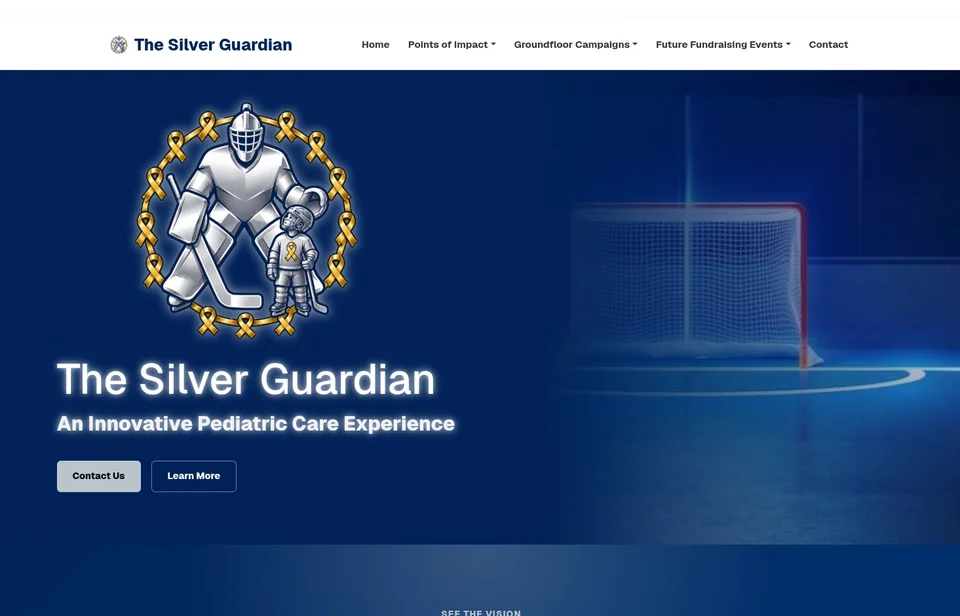
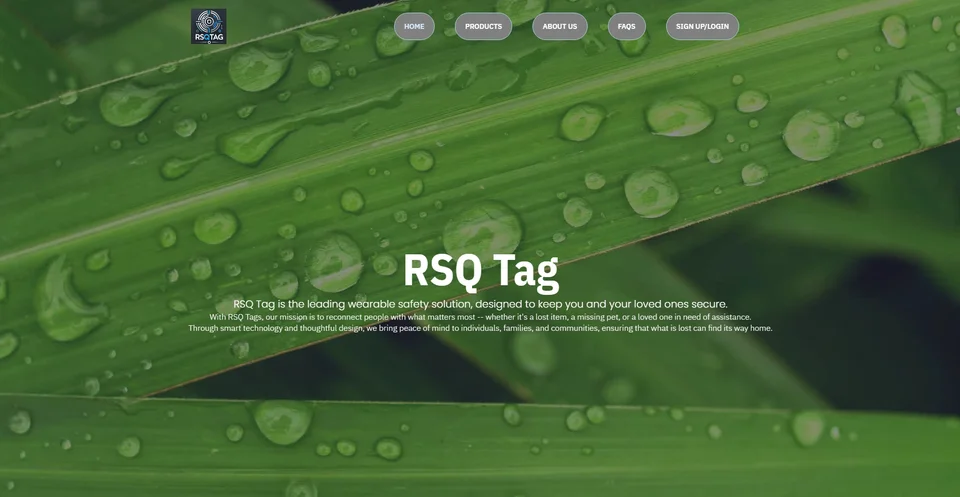
Explore Galactic's portfolio to discuss information structure, presentation, and how an offer becomes a coherent page. The examples shown here come from broader studio work and are not presented as Maltby engagements. Ask to connect the visible decisions to your own website's intended tasks.
A clearer website can support trust and reduce uncertainty, but it cannot guarantee rankings or a particular number of inquiries. Review success in terms of understandable services, functioning interactions, and a manageable publishing process. Any measurement of business results should also consider traffic sources, customer demand, and the quality of follow-up.
Questions about web development in Maltby
Should every service have a separate page?
Only when the distinction helps a customer decide. Separate pages are useful when scope, preparation, or audience differs meaningfully. Closely related variations may be clearer on one well-organized page than spread across repetitive pages.
Can the form ask where the project is located?
Yes, when location helps determine service fit. Choose the least detailed information needed for the initial conversation and explain why it is requested. Confirm any later requirements as part of the business’s normal assessment process.
Do we need an online booking system?
Not necessarily. An inquiry may be more appropriate when scope or availability needs review first. If scheduling is useful, discuss the business workflow, tool costs, confirmation behavior, and ongoing administration before including it.
Can we reuse our current website content?
Useful and accurate content can be retained. Review it for outdated services, unclear ownership, and missing customer questions. A rebuild is an opportunity to improve organization without discarding material that still does its job.
What affects the launch date?
Content readiness, feedback, technical dependencies, and migration work all affect timing. Identify a decision-maker and any business deadlines early. The release plan should leave room for interaction testing and final factual review.
Connect the next part of your project
Maltby web & design services · Maltby graphic design · Maltby logo design · Explore the Galactic portfolio · Browse all service areas · Design services in Clearview · Design services in Cathcart
Plan your next step
Give your business a useful next step
Share your current site and the information you need from a first inquiry. We can plan a Maltby website around clearer service choices and a practical response process.
Discuss your Maltby project