
Make the material useful in the moment it is received
Graphic design for a Freeland business should consider where the customer encounters the information. A service sheet handed over during a conversation has a different job from a small promotional image or a display viewed in passing. Galactic Digital Studios helps turn those situations into a clear message and a practical visual format.
The Freeland chamber's community overview describes a South Whidbey business mix that includes shops, professional services, and construction. It also provides visitor resources. That context supports asking who will receive your material and how much they already know, rather than assuming every reader is a regular local customer.
For example, a hypothetical Freeland retailer might use a small card to explain collection or ordering after a visit. A service provider may need a document that helps someone compare options at home. These are planning examples, not local portfolio claims. The content should support the next decision in each situation.
Edit the message before expanding the layout
Give each piece one main purpose. Decide what the reader needs to notice first, what detail makes that message credible, and what action should follow. If the content tries to introduce every service and explain every exception, a single small format may not be the right place for all of it.
Separate information that belongs on the piece from information better handled by a linked page or conversation. A printed overview can introduce a service while the business website holds the fuller explanation. The destination should match the promise of the printed material, especially when details change or a promotion ends.
Work with accurate, approved wording. If an offer depends on availability or an appointment, communicate that clearly rather than relying on tiny qualifications. Design can create emphasis, but the business remains responsible for the truth of its claims. A strong visual hierarchy helps the reader distinguish the core offer from the details needed to use it.
Treat print and digital as related applications
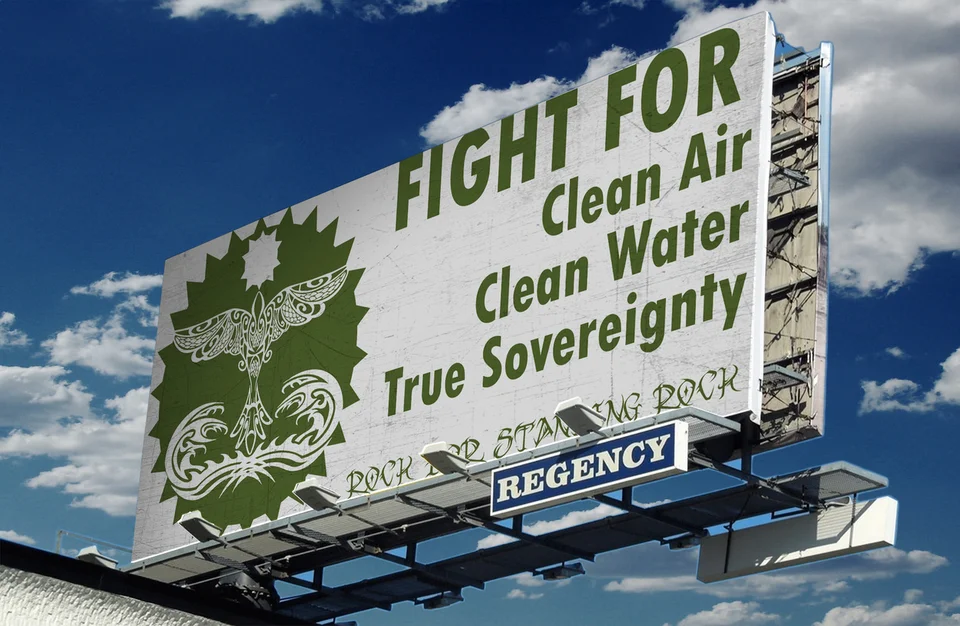
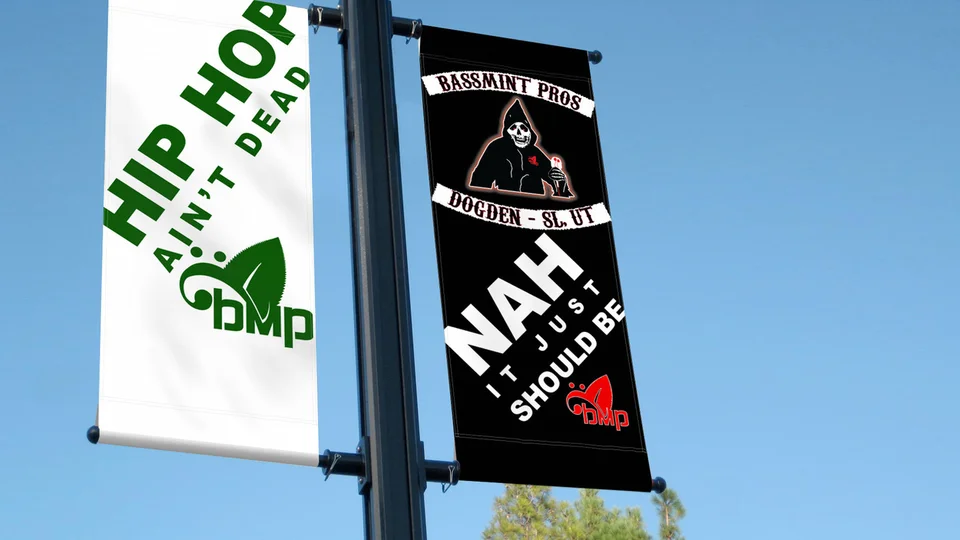
A useful design direction can carry across formats, but each application needs its own review. A handout can support deliberate reading. A banner needs fewer, larger elements. A digital image may be cropped or reduced by the platform where it appears. Resizing a finished layout without reconsidering hierarchy can make important details disappear.
Identify the required dimensions, quantities of variations, and production partners before artwork is finalized. For print, obtain the vendor's specifications and discuss proofs. For digital use, review the asset at its expected display size. A QR code or link should be checked against the final destination; it should not be the only way to understand the basic message.
If your Freeland business needs repeated seasonal or changing promotions, plan which elements remain stable and which are editable. A reusable template is valuable only when staff can use it reliably. Confirm software requirements, font access, and editing boundaries. If the current mark is unsuitable, address logo preparation or redesign before building a larger set of materials.
Agree on content, then review the design in context
The project begins with an audience, purpose, distribution plan, and list of outputs. Provide current brand assets, approved copy, and any vendor requirements. Identify who checks factual accuracy and who makes the final design decision. That prevents the layout from becoming a substitute for unresolved business choices.
Review the initial direction for emphasis and usability. Can someone tell what the piece offers without an explanation from your team? Are important details readable at the actual size? Does the next action make sense for someone who takes the material away? Use those questions to guide a consolidated set of revisions.
Final preparation should include proofreading, destination checks, and output settings appropriate to the agreed formats. Printing, delivery, installation, and editable-file handoff should be explicit in the proposal where relevant. Cost and timing depend on content readiness, variation count, production needs, and review rounds. Share distribution deadlines early so design approval and production have room in the plan.

Bring the piece your Freeland customers need next, and let’s give its message the right form.
Distinguish design presentations from installed work
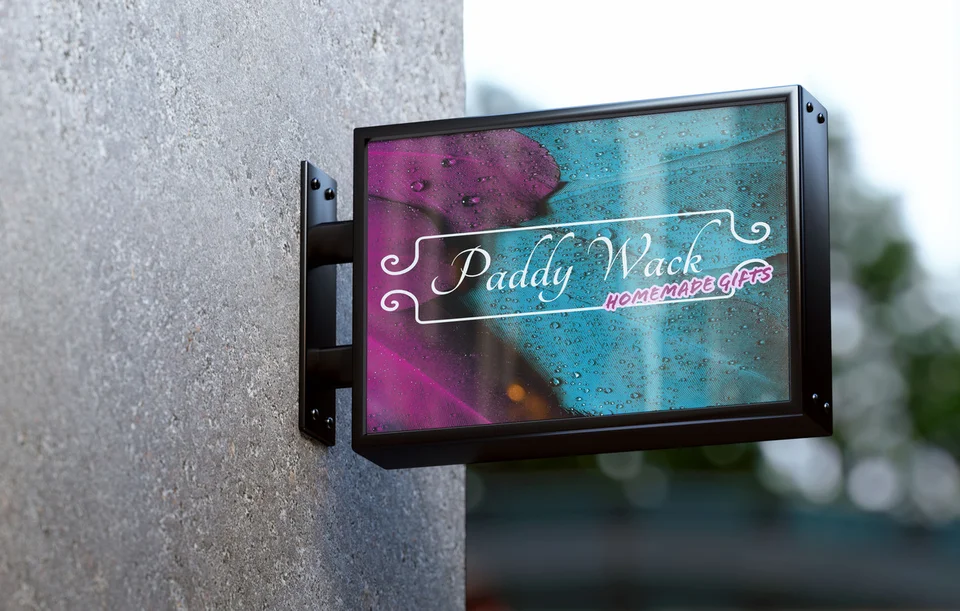
The portfolio images show existing Galactic graphic and identity work. A banner or sign mockup demonstrates a presentation, not evidence that the item was installed at a Freeland location. Those boundaries matter when evaluating examples: use the images to discuss composition, readability, and application rather than assuming a local commission or outcome.
Browse the Galactic portfolio and identify qualities relevant to your intended format. A clear headline, balanced spacing, or strong relationship between a logo and message may provide useful reference points. Explain why a feature works for your audience instead of asking for another business's design to be copied.
Remote collaboration lets your Freeland team review drafts in the setting where the material will be used. Design can help people understand and remember an offer; response also depends on distribution, timing, value, and follow-up. A printed piece cannot guarantee inquiries simply because it looks polished. The project should make its communication purpose concrete enough to assess.

Make the next update easier than the first
Create a reliable home for approved artwork and clearly distinguish it from drafts. If a vendor needs a production file, your team should not have to search through old messages or rebuild it from an image. Agree on naming and handoff arrangements that fit the way the business already works.
For materials that mention changing details, plan a review date or update trigger. A Freeland business distributing a service overview might keep the printed message stable while maintaining availability online. That approach only works if the destination stays useful and the team knows who maintains it.
If your marketing also reaches mainland audiences, coordinate the message with the same identity. Our Everett graphic design service is a related regional reference. Different versions should reflect a real audience or offer difference, not just a different place name. Consistency gives each new piece a foundation while leaving room for its particular job.
Questions about graphic design in Freeland
Can a single design become several formats?
Yes, if the scope includes adaptation. Different proportions and reading conditions usually require layout decisions, not just resizing. List the required formats before approving the estimate.
Should we put all our services on one handout?
Only if readers can still understand the main message. A concise overview with a relevant next step may be more useful than a crowded list. The intended conversation and distribution setting guide that choice.
Are printing and installation part of the project?
They need to be specified separately from design and file preparation. Confirm vendor coordination, proof review, shipping, and installation responsibilities where applicable so the production plan is complete.
Can our staff update recurring graphics?
Discuss editable templates and the tools your staff use. The deliverables should identify what can be changed and any licensing requirements. Not every finished production file is a practical editing template.
What should we provide before design begins?
Supply the purpose, audience, approved content, available identity files, required dimensions, and target date. If some details are missing, identify who will supply them and when they can be approved.
A practical next step
Put a clearer message in your customers’ hands.
Tell us where the material will appear and what it should help someone understand or do. We can discuss the content, format, and production needs within a focused graphic design scope. See our other Freeland design services for connected work.
Plan your Freeland project