
Explain the service before asking for the inquiry
Galactic Digital Studios builds websites for High Bridge, Washington businesses that need to explain their work clearly. Your website can help a customer decide whether a request fits, understand the process, and provide useful information before you respond. We plan the content and development around those decisions, whether you are replacing an outdated site or creating a first business website.
The Census Bureau identifies High Bridge as a Census-designated place. For a service business, that community name does not automatically tell a customer where you travel or whether they can visit. A website should distinguish coverage, appointment arrangements, and public premises. Those details belong near the relevant service information, where someone is deciding whether to contact you.
Give different requests a sensible route
A customer seeking a first estimate needs different information from a returning customer requesting familiar work. Plan those paths before deciding how many pages the site needs. The first visitor may need examples and a description of the process; the returning customer may simply need to identify the service and explain what has changed.
Imagine a High Bridge business that offers both one-time property work and recurring maintenance. This is a hypothetical planning example. A single broad service paragraph could leave visitors unsure which request to choose. Separate explanations can clarify what each arrangement covers, what requires an assessment, and how the business confirms availability.
Do not create a page for every slight variation of the same offer. Add a page when it answers a distinct set of customer questions. A concise, well-organized site is easier to maintain than a large collection of overlapping descriptions that gradually contradict one another.

Make each service page useful on its own
A service page should explain the work, the suitable customer, and the boundaries of the offer. Include relevant examples where you have permission to publish them. Describe what an image demonstrates instead of expecting the visitor to infer the entire service from a gallery. A clear heading helps readers find the part that applies to their request.
Explain what must happen before you can provide a firm estimate. If an assessment, measurements, or a conversation is needed, say so. You do not need to publish invented prices to be helpful. You can describe the factors that affect scope and the information required to discuss a realistic next step.
Use accurate coverage wording throughout the site. If you also work in the Monroe area, a service description can explain that reach without implying a second office. Keep location references tied to real operating arrangements and customer needs.

Design the inquiry around the response
We start by asking what your team needs to know before replying. That may include the requested service, a general location, and a short project description. Keep the initial form proportionate to the decision. Information that only matters after an appointment can usually wait until that later stage.
An inquiry submission and a confirmed booking are different events. The page, form, and confirmation message should use language that reflects your actual process. If requests need review, tell customers what the submission means. Avoid presenting an availability calendar or response deadline unless the underlying business process supports it.
We then connect the form to the surrounding content and visual hierarchy. Descriptive labels, understandable error messages, and a clear completion state help people use the form. More complex requirements, such as uploads, payments, or scheduling integrations, need an explicit scope and a plan for handling the information they collect.

Choose features your business can support
Start with essential content and the action customers need to take. A gallery, resource section, or booking tool earns its place when it helps a real decision and someone can maintain it. A feature that depends on outdated information can make the site less useful even when the interface looks polished.
Budget factors include page variety, content preparation, migration, custom functions, and connections to other systems. Discuss existing accounts and technical dependencies early. A replacement website also needs an inventory of useful old URLs so that customers following saved links have a sensible destination after launch.
Ownership and ongoing access should be clear in the agreement. Identify who controls the domain, hosting, content accounts, and third-party subscriptions. Confirm what editing access and training are included, how maintenance will be handled, and what happens when you need a function beyond the initial project.
Review the structure before the finishing details
Discovery collects the offer, audience questions, available assets, and technical requirements. Content planning turns those inputs into a page structure. Early design review then tests whether a visitor can identify the service, understand the evidence, and find the right action without an explanation from the business owner.
Development brings the approved direction into working pages. Review real content on a phone as well as a larger screen. Long service names, tall photographs, and detailed form messages can reveal layout problems that short placeholder text hides. Keyboard use and readable contrast are part of that review.
Before launch, check links, form behavior, image loading, metadata, and the agreed redirects. Confirm where inquiries arrive and test the response workflow with the people who will use it. Delivery should make clear which tasks are finished and which ongoing checks belong to the business or a separate maintenance arrangement.
Look beyond a screenshot when comparing developers
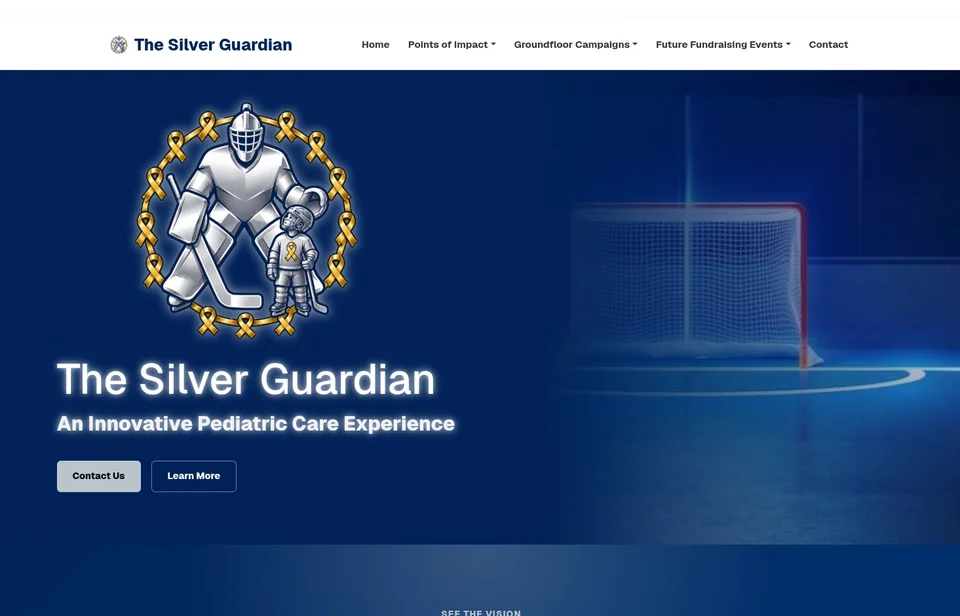
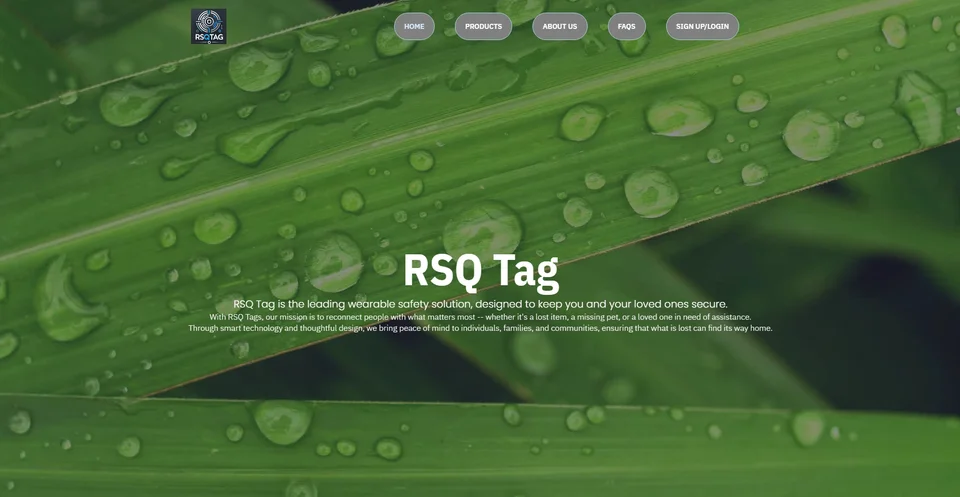
The Silver Guardian and RSQ Tag are existing website examples in the Galactic portfolio. They offer a starting point for discussing hierarchy, imagery, and brand presentation. They are not represented as High Bridge projects, and their appearance does not establish the results your business will receive.
Ask how proposed decisions connect to your customers. A useful explanation should cover why a page exists, how its content supports an action, and what maintaining it will involve. You can also review our studio background alongside the work. The working relationship matters because factual review and clear feedback remain essential throughout development.
Keep lasting content separate from temporary instructions
Snohomish County’s High Bridge Road page records a completed 2015 repair. It is historical information, not a current travel advisory. The same distinction matters on a business website: dated notices should not accidentally become permanent instructions for customers planning a visit or service appointment.
Assign someone to review changing details, including availability, service descriptions, and temporary notices. Keep essential explanations in readable page content instead of only inside downloadable images. If the website also needs new service sheets or a clearer identity, coordinate graphic design and logo design with the development scope. The High Bridge overview explains how those pieces can work together.
High Bridge website questions
Can you improve an existing website?
An existing site can be a useful starting point. We first assess its content, structure, access, and technical constraints, then determine whether focused changes or a rebuild fit the intended scope.
Should the website include instant booking?
Only when your availability and operating process can support it. A reviewed appointment request may be more accurate when each job requires discussion before a time can be confirmed.
Who writes the service information?
Agree on writing and review responsibilities in the proposal. Your business supplies factual details and approvals; the project can include organizing and refining that information for customers.
Does a new website guarantee search visibility?
No. Clear content and sound implementation support a useful site, but search placement and inquiries depend on many factors. No ranking or lead volume is promised.
What will we need after launch?
Plan for content updates, account renewals, technical maintenance, and periodic form checks. Confirm the included support and any separate ongoing work before the site is delivered.
A practical next step
Build a website that makes the next conversation more useful.
Bring your current materials, customer questions, and priorities. We can use them to define a focused project with clear responsibilities and a useful first outcome.
Discuss your High Bridge project