

Make a familiar local business understandable to someone new
A business can be well known on its own block and still need a better introduction online. Someone arriving through a recommendation may recognize the name without knowing the services, visiting arrangements, or reason to choose it. Galactic Digital Studios provides web development, graphic design, and logo design for St. Louis small businesses that want to make that introduction clearer.
The city's neighborhood directory reflects the variety of places within St. Louis, including Downtown and the Central West End. Those names can help orient a customer, but they are not substitutes for explaining the business itself. A neighborhood reference is most useful when it adds meaning to a service, location, or story.
The City of St. Louis is also separate from St. Louis County. Your marketing should distinguish a physical location from the area you serve. That simple distinction helps a neighborhood business welcome unfamiliar customers and helps a regional service provider explain its reach without suggesting premises it does not have.
Choose the project that removes the biggest obstacle
Start with the information customers struggle to find. A shop might receive repeated questions about what is currently available. A professional service might attract inquiries that misunderstand its specialty. A business with several offerings might present them as unrelated brands. Each situation suggests a different starting point for design work.
Review the existing website and the materials used in real conversations. Look for contradictions in service names, changing details, and next steps. A refreshed visual style will be more useful when the underlying message has been settled. Bring examples of the confusion so the brief can address something concrete.
Prioritize a release your team can maintain. That could be a focused website, a coordinated introduction package, or an identity update with a few essential applications. A larger collection is not automatically a better investment. The right scope gives customers a coherent experience and gives staff the tools they will actually use.
Assign each part of the presentation a clear purpose
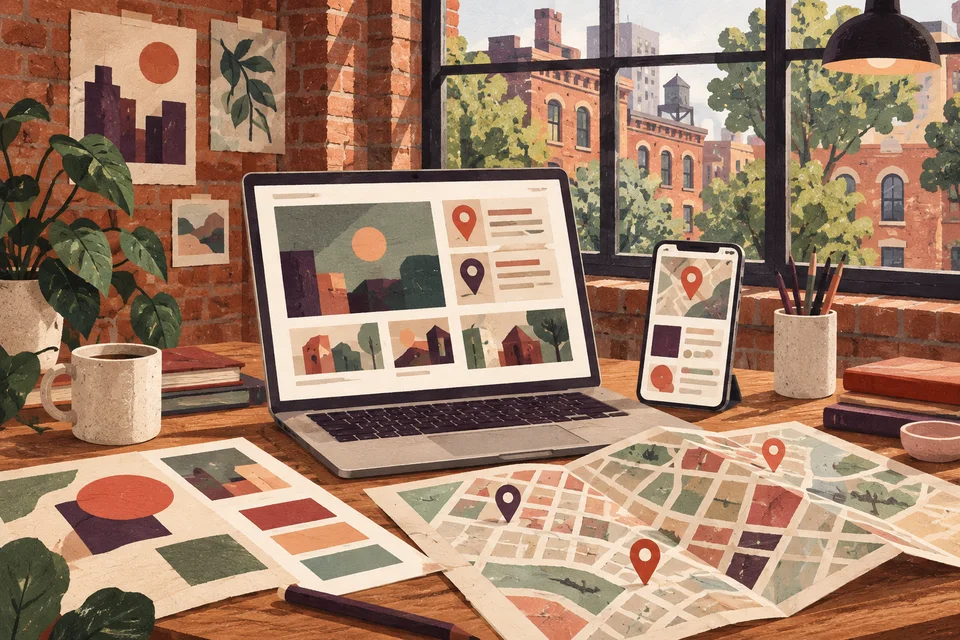
Web development organizes the deeper explanation. It can help customers compare services, review relevant work, and understand how to inquire or plan a visit. The site should offer a useful route for someone encountering the business for the first time while keeping common tasks straightforward for returning customers.
Graphic design carries the message into other settings. A capabilities sheet, announcement, presentation, or printed guide should remain understandable when separated from the original conversation. The format needs an obvious reading order and enough context for the audience receiving it.
Logo design supplies a recognizable identifier across those materials. A good mark should work in a small website header and an ordinary document, as well as a larger application. Coordinating the services helps build consistency, but useful existing assets can remain part of the system. We can discuss the dependencies before deciding which pieces need to change.
Use local character with a specific business reason
Our approach connects audience, business goals, content, and visual direction. We ask what customers need to understand and which parts of the business are genuinely distinctive. A strong brief might emphasize personal expertise, a particular working process, or a carefully defined product range rather than a broad claim to serve everyone.
For a St. Louis business, local context can add warmth and recognition without turning the presentation into a destination advertisement. Explain a neighborhood connection when it matters, and provide clear information for people who do not share that familiarity. A customer should not need local shorthand to understand the offer.
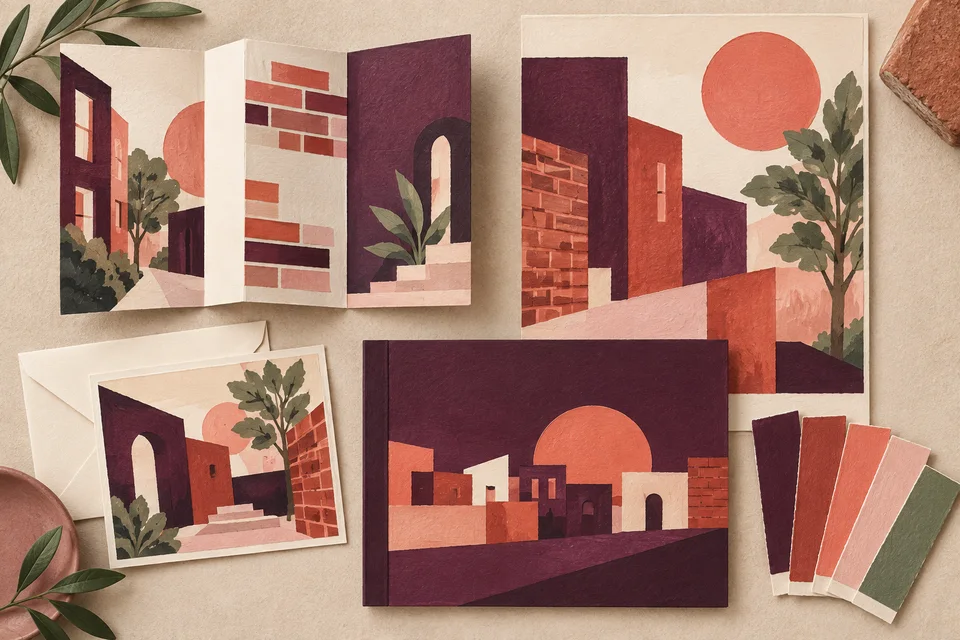
Imagery needs an equally clear role. Real photographs can demonstrate a space or project when the business has permission to use them. Conceptual artwork can establish mood or explain an idea. Keep those roles visible so an attractive illustration is not mistaken for evidence of work performed or an actual customer-facing location.

Let’s plan web & design services around your St. Louis customers’ next decision.
Develop the message and the design together
A project can begin with an inventory of current materials and a short definition of the desired customer action. We then outline the deliverables, establish a direction, and develop the content and design together. This helps avoid squeezing important information into a layout chosen before the message was understood.
Bring the people who know customer questions into the review, while assigning one person to consolidate decisions. Useful feedback identifies a missing fact, confusing distinction, or impractical expectation. It should explain the problem so the next revision can resolve it instead of adding disconnected preferences.
Before launch or delivery, review the complete introduction in its intended setting. Read the site on a phone, inspect a document at actual size, and test the identity in a plain application. Confirm that the next-step language stays consistent. A release plan should also identify which outdated files or pages need to be replaced.
Compare proposals through responsibilities and deliverables
Budget and timing depend on content readiness, the number of distinct formats, technical requirements, and the depth of identity work. An approved message and organized images can make planning more predictable. Unresolved offers and multiple approval groups can add work even when the final design looks simple.
Ask what the proposal includes in copy development, revisions, implementation, and handoff. Discuss website access, editable files where needed, licensing, and outside production costs. Ongoing hosting, maintenance, and recurring design support should be made explicit so the business can compare the full responsibility of each option.
Phasing can keep a project manageable. Settle the core message and identity first, then expand the applications in a useful sequence. Each phase should be complete enough to use and built on decisions that are unlikely to change immediately. That approach supports steady improvement without requiring an all-at-once replacement.

Look for a reason behind the design decisions
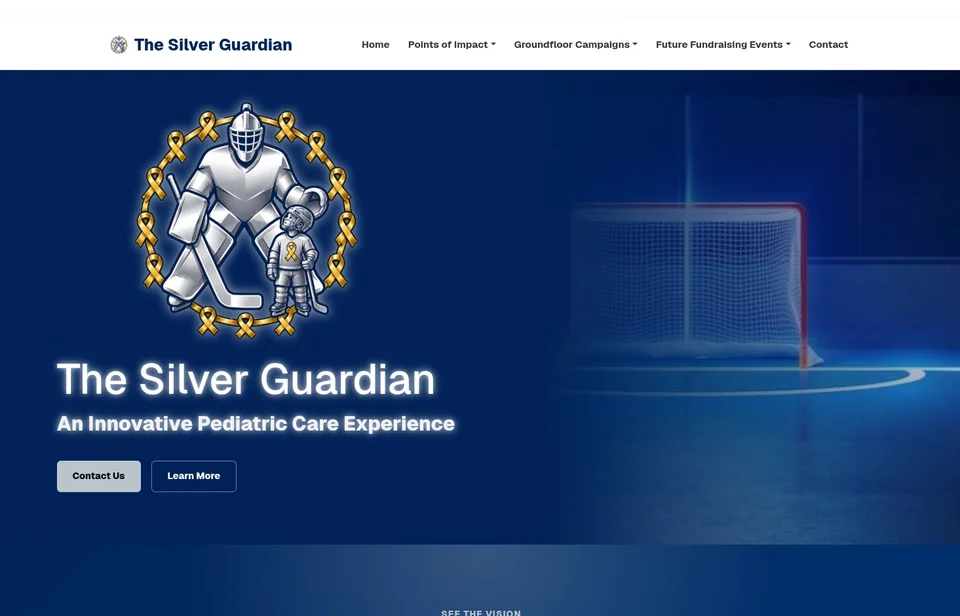
Galactic's portfolio provides existing work to discuss while evaluating fit. Look at hierarchy, readability, and the relationship between the offer and its presentation. Ask how those choices would apply to your audience rather than assuming that a particular style will produce the same outcome for every business.
The examples shown here are broader studio work, not claimed St. Louis clients. Clearer communication can support credibility and informed inquiries, but results also depend on the offer, traffic, availability, and follow-through. A useful project defines the changes it can influence without promising rankings, sales, or a fixed volume of new customers.
Questions about web & design services in St. Louis
Can a neighborhood business reach a wider audience without losing its identity?
Yes. Preserve the character people recognize while explaining the offer in language newcomers can understand. Local references can add context, but essential services, location details, and next steps should remain clear to someone unfamiliar with the neighborhood.
Do we need all three services at once?
No. Start with the biggest communication gap and review the assets already available. A sound logo may support new web and graphic work. A broader identity change should have its own purpose and scope.
Does Galactic have a St. Louis office?
This page describes a service area, not a St. Louis office. Project planning should establish communication methods, feedback arrangements, and any location-dependent requirements before work begins.
What should we bring to the first conversation?
Bring your website, frequently used materials, brand files, and several customer questions. Explain what you want people to do and where they hesitate. These inputs help identify an appropriate first deliverable.
How can we keep the presentation consistent?
Agree on service names, approved assets, and responsibility for updates. Store current files where the team can find them and retire replaced versions. Consistency requires a manageable process as well as a good initial design.
Connect the next part of your project
St. Louis web development · St. Louis graphic design · St. Louis logo design · Explore the Galactic portfolio · Browse all service areas
Plan your next step
Give your business a useful next step
Bring the story customers already know and the questions new customers still ask. We can connect your St. Louis website, graphics, and identity around a clearer introduction.
Discuss your St. Louis project