

Help the reader move from recognition to understanding
Bunk Foss is a Census designated place in Snohomish County, and local road references include Bunk Foss Road. A familiar community name can orient a customer, but it does not explain the services on a printed sheet or the scope of an estimate. Those details need a clear visual and editorial structure of their own.
A customer comparing options needs different information from someone preparing for an arranged service. An introduction should establish the offer; an estimate should define the proposed work; a preparation guide should explain the next actions. Graphic design helps make those roles visible so the reader does not confuse one kind of document with another.
Galactic creates Bunk Foss business graphics around these practical uses. We consider who will receive the material, what they need to decide, and how long the information will remain current. The result should support the conversation instead of requiring the owner to translate a crowded or ambiguous layout.
Make comparable options look comparable
When a document presents service options, use consistent labels and a similar level of detail. If one option includes a clear scope and another relies on a vague phrase, the layout cannot make the comparison fair. Organize the content first so readers can identify the meaningful differences.
A hypothetical property-service estimate might separate included work, optional additions, assumptions, and the next approval step. These are illustrative content categories, not contractual language or claims about local clients. The owner should determine the actual terms and approve them before design is finalized.
Visual emphasis should reflect the decision. A large decorative title should not push essential scope information into tiny text. Headings, spacing, and alignment can make the document easier to revisit after the initial conversation, when the customer is comparing details without the owner present.

Keep reusable descriptions separate from job-specific facts
Identify which information belongs in a standard service sheet and which changes for each customer. General service descriptions can be maintained centrally, while quantities, schedules, and project assumptions may need individual approval. This separation reduces the chance of carrying one customer’s details into another document.
For a business serving Bunk Foss, coverage language should reflect actual operations rather than an assumed community boundary. Printed materials can explain how to confirm an uncertain address. Detailed visit instructions should use owner-verified information, especially when the business operates without a public storefront.
List the required formats and their intended uses. A printed estimate, an emailed PDF, a compact service card, and a phone graphic may share content but need different layouts. Gather original logos, approved images, final wording, and any production specifications before choosing dimensions or visual treatments.
Design for the second read as well as the first impression
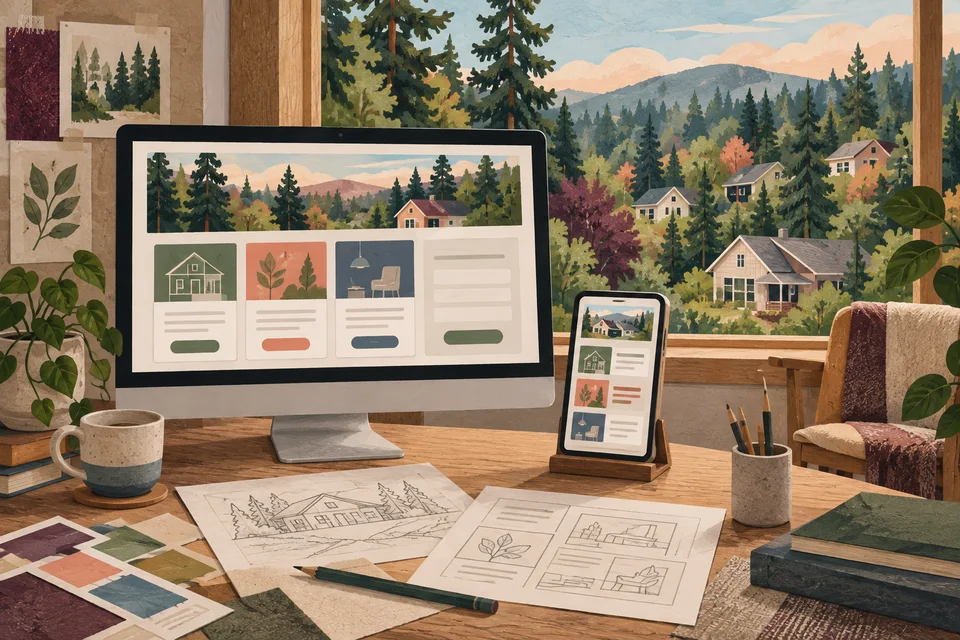
Galactic establishes a clear reading order and a consistent system for recurring information. The first glance should reveal the purpose of the piece. A later read should make scope, conditions, and next steps easy to locate. Good hierarchy supports both moments without making the material visually monotonous.
Color and imagery can express the business’s character while leaving enough space for the information to work. A wooded regional palette may fit a Bunk Foss company, but landscape references should not replace actual evidence of its work. Generated illustrations here are conceptual explanations, not photographs of customer projects.
If the owner will edit the material, test the design with realistic variations. Long service names, additional line items, and different images can reveal weaknesses that a polished sample hides. A reusable template needs boundaries and guidance so ordinary changes do not destroy the reading order.

Define outputs in terms the team and vendors can use
A graphic-design scope should distinguish original layouts, adaptations, finished exports, and editable templates. A single print-ready sheet involves different work from a document system with multiple reusable page types. List dimensions, output formats, and the intended editor so the deliverables match actual needs.
Budget depends on writing, imagery, the number of formats, revision needs, and production complexity. Timing depends on approved facts and vendor schedules. If physical materials are required by a certain date, account for proofing, production, and delivery after design approval.
Discuss fonts, image licenses, source files, and ownership. Confirm who coordinates printing and checks the final proof. An editable file is useful only when the team has the tools and permissions needed to use it, so those requirements should be explicit before handoff.
Proof the facts and the format together
Discovery establishes audience and purpose. Content organization then identifies the important distinctions before layout refinement. Early feedback should catch missing information and unclear categories. Later feedback can address spacing, imagery, and consistency without reopening the entire structure unnecessarily.
Review print work at actual size and against the vendor’s requirements. Inspect digital documents and graphics on a phone as well as a desktop. Test any link or QR destination and make sure the destination provides the promised information. A useful next step should not depend on an unexplained symbol or unreadable small print.
Before delivery, approve each business fact in the final layout. Store clean templates separately from customer-specific versions and mark the current master clearly. When service descriptions change, update the shared source and identify which published or printed materials are affected.

Evaluate portfolio work by how it organizes a decision
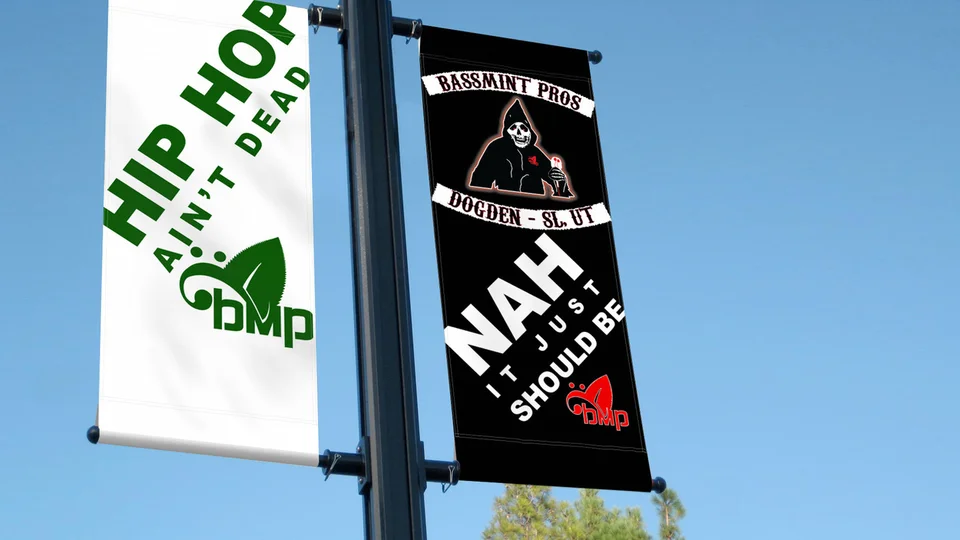
Galactic’s graphic portfolio offers completed examples of hierarchy and visual communication. The images shown here are not Bunk Foss commissions. Ask what the viewer notices first, which details remain easy to find, and whether the piece can stand on its own without a verbal explanation.
Clear graphics can support recognition and help customers evaluate an offer. Acceptance still depends on relevance, pricing, scope, and follow-up. The design goal is an accurate and readable presentation, not a guaranteed commercial result. Review whether customers ask fewer clarification questions before deciding more variations are needed.
Bunk Foss web development can provide the maintained detail behind a service sheet, while logo design can make the identifying elements more consistent. Everett and Monroe pages provide related regional service information for projects extending beyond the immediate community.
Questions about graphic design in Bunk Foss
Can you organize an existing estimate layout?
Yes, after reviewing the information and how customers use it. Better hierarchy may solve much of the problem, while unclear business terms still need owner approval.
Should preparation instructions be on the estimate?
Include them when they help the decision. Detailed instructions may work better in a separate guide supplied after the work is arranged.
Can our team edit the files?
Plan the editing workflow before design begins. Choose appropriate software and include guidance for text, images, and exports so future versions remain usable.
Are printing and delivery included?
Clarify them in the proposal. Design, printer coordination, physical production, and delivery are separate responsibilities that should not be assumed.
How can we prevent inconsistent service descriptions?
Maintain approved recurring wording in one source and review all related materials when it changes. Keep customer-specific details separate from reusable content.
Related services and nearby areas
Bunk Foss web & design services · Bunk Foss web development · Bunk Foss logo design · Everett services · Monroe services · Galactic portfolio
Plan your next step
Put clearer communication to work.
Make the important differences in your offer easier to see. Share a current document, the options it presents, and the questions readers ask afterward.
Discuss your Bunk Foss project