
Make the explanation useful beyond the first conversation
Graphic design for Cheyenne business introductions and service materials
Galactic Digital Studios provides graphic design for small businesses in Cheyenne, Wyoming. We help organize service information, capabilities, and announcements into materials people can understand and use. A good piece should communicate clearly when it is handed over, forwarded, or read later without you there to explain it.
Cheyenne LEADS supports business retention, expansion, and recruitment across Cheyenne and Laramie County. For a small provider presenting its services in that wider business setting, clear materials can make the introduction more concrete: what do you do, who is it for, and how does a project begin?
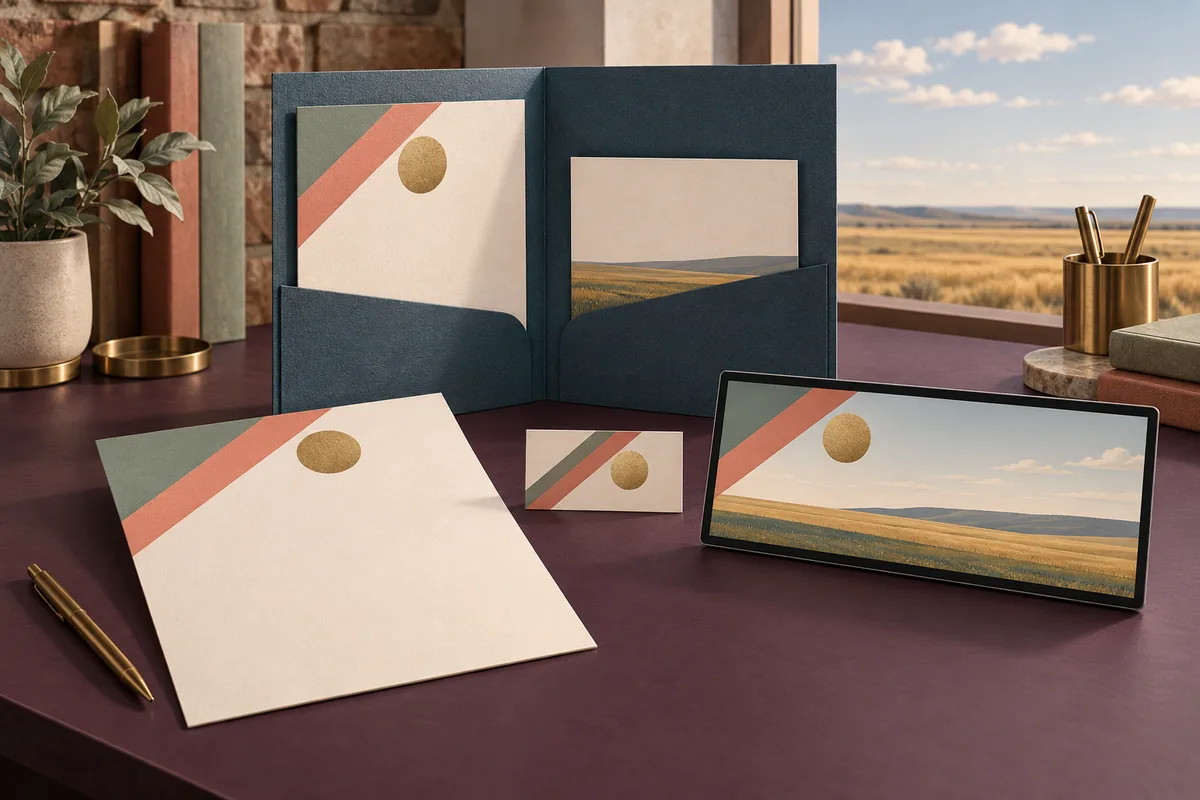
We start with the answer to those questions. A capability sheet, presentation folder, service guide, and digital announcement can work together without repeating exactly the same content or layout.
Give the reader a useful sequence
What should the material help someone assess?
The relevant capability
Lead with the work that matters to the intended audience. A complete list of everything the business has ever done can make the useful service harder to identify.
The basis for confidence
Include accurate examples, practical process details, or other information that supports the offer. The design should make evidence readable rather than turn an unverified claim into a prominent badge.
The next conversation
Explain how someone proceeds and what information helps. A material intended for an early introduction should not assume the reader is already ready to approve a project.
Design for the person who receives the forwarded copy
Business materials often move beyond the original audience. Someone may share a PDF with a colleague or pass a printed sheet to another decision-maker. The piece needs enough context to stand on its own: the business name, the offer, and a clear reason the information is relevant.
For a hypothetical Cheyenne specialist, a concise capability sheet could describe project categories, the process for assessing work, and a relevant example. A retailer offering custom services might need an introductory card that leads to a more detailed explanation. These are possible use cases, not local projects we are claiming.
Separate the main message from supporting detail. Use descriptive headings and a readable order, and make sure the digital version remains legible at ordinary viewing sizes. If the information also appears on a website, decide which version is the approved source and how updates will stay consistent.

Make the substance easy to scan
Use design to organize the offer
Galactic's approach connects the audience, message, and format. We identify the first thing the reader should understand, the detail that supports it, and the action that follows. Typography, spacing, contrast, and imagery then guide attention through that sequence.
A capability sheet needs different treatment from a small announcement. An introductory folder may connect several pieces without forcing them into the same layout. Consistent type styles, colors, and image choices can provide unity while each format has enough room to do its job.
Clear materials support visibility and a credible presentation. A coherent identity strengthens branding, while a relevant action can support useful inquiries. Reusable design decisions also make later communications easier to manage as the business grows. For online discovery, keep the core explanation available as readable page text as well as any graphic or downloadable document.
Clarify content ownership and file delivery
List the pieces, dimensions, audiences, and versions you need. Explain whether the work is an individual deliverable or a foundation for recurring materials. Several sheets with different service content require a different scope from one approved design adapted to multiple sizes.
Decide who supplies and verifies text, photographs, claims, and examples. Obtain permission for any customer information or project imagery before it enters the final layout. If translated versions are needed, plan approved text and qualified review rather than treating translation as a last-minute formatting task.
Ask what the handoff includes: print-ready exports, digital PDFs, editable templates, source files, or a combination. Discuss software, image and font permissions, revisions, and future changes. Printing, production coordination, and physical delivery should have clear responsibilities where relevant.
Budget and timing depend on the content preparation, number of unique layouts, versions, and approval process. Coordinate Cheyenne logo design if identity decisions are unresolved. Include web development when the material points to a page that needs a clearer explanation or inquiry path.
Prepare a set that works in context
From the communication brief to finished artwork
Define the message and evidence
Identify the audience, purpose, and action. Gather approved identity assets and draft content. Flag claims, examples, or permissions that need review before design proceeds.
Develop the visual hierarchy
Create a representative layout using realistic information. Review the reading order and business fit before extending the direction across the rest of the materials.
Adapt and check every version
Refine the layouts for their intended uses. Verify text, image quality, dimensions, and destinations. Check that forwarded or printed versions remain understandable on their own.
Deliver with an update plan
Export the agreed files and identify their applications. Coordinate proofs where included. Confirm how source information, templates, and future revisions will be maintained.
Evaluate how the design directs attention
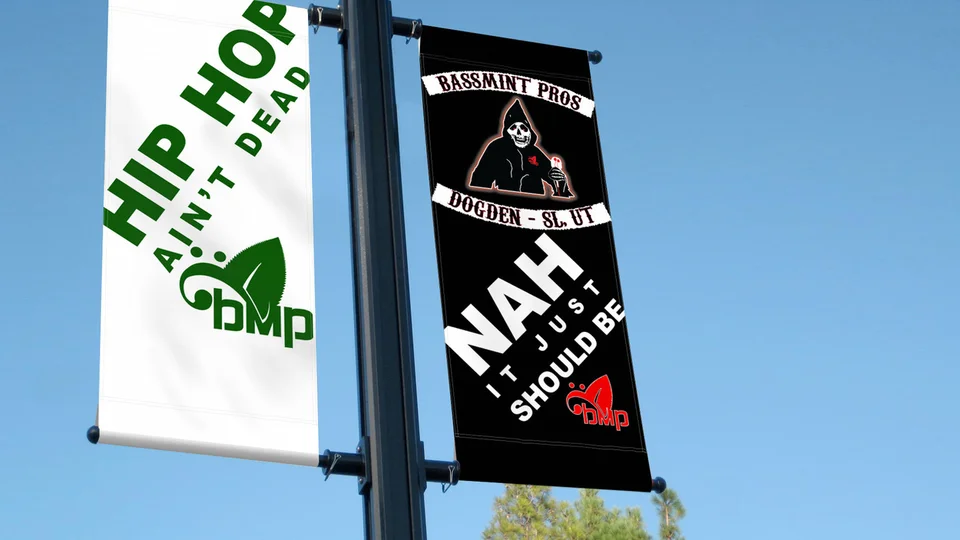
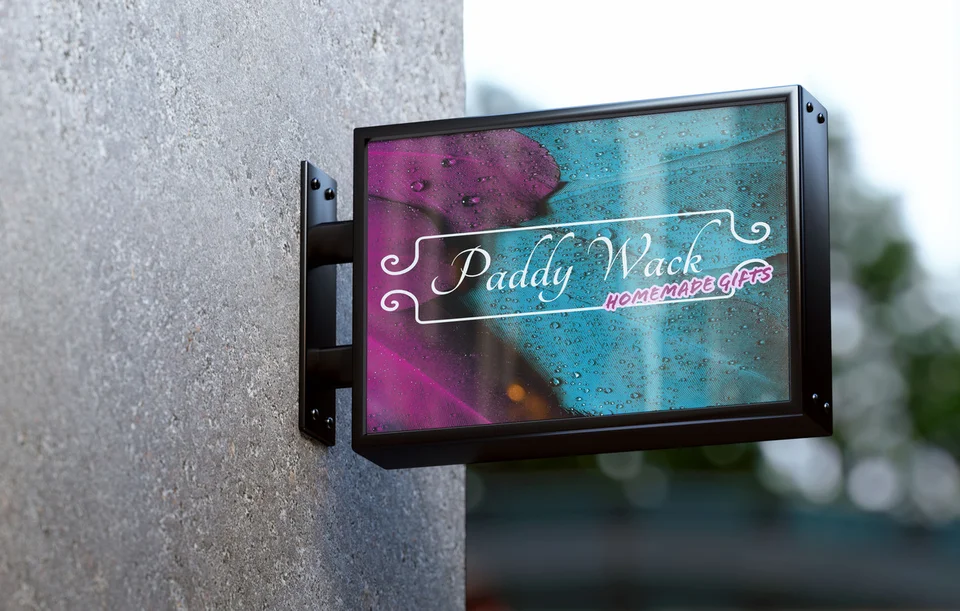
The examples on this page include Bassmint Pros graphics, an environmental campaign billboard presentation, and PaddyWack Homemade Gifts sign artwork. Identity examples show another part of the visual foundation that can connect business materials.
Look at what each design emphasizes and how the style fits its subject. Use those observations to discuss your requirements. Presentation mockups demonstrate a setting for the artwork; they do not establish a verified installation or a measured commercial result.
These are existing Galactic portfolio selections, not claimed Cheyenne commissions. The studio background provides context about the wider web and design work. Your proposal should explain how that experience relates to your message, formats, and review needs.
Let the business setting inform the tone
The Downtown Development Authority documents Cheyenne's historic commercial architecture and railroad origins. That character can inform a local introduction, but a business document still needs a tone appropriate to its own audience.
A restrained service sheet and an expressive retail announcement can both belong in Cheyenne. Choose imagery and language based on the offer and the decision the material supports. Local references should add meaning rather than replace the information someone needs to compare providers.
For businesses also operating in western Wyoming, explore Evanston graphic design. The Cheyenne digital services overview connects the materials with a useful website and consistent identity.

Cheyenne graphic design questions
What should a capability sheet include?
Include the relevant offer, useful service distinctions, accurate supporting information, and a clear next step. Keep the content focused on the audience rather than listing every possible capability.
Can a PDF and printed sheet use the same design?
They can share a direction, but review reading size, margins, links, and output requirements separately. The digital version should remain useful when viewed on a screen or forwarded.
Who should approve technical claims?
Someone in your business who can verify them. Identify that reviewer early and obtain permission for project examples. Design approval and factual approval are related but distinct responsibilities.
Can our team update the materials later?
Discuss templates and source files before work begins. Confirm the software, expected edits, and guidance your team needs. Finished exports alone do not provide the same editing flexibility.
How do we keep the website and materials consistent?
Choose an approved source for shared service information and assign an owner for updates. Review all affected versions when the offer changes so customers receive the same explanation.
Give a strong offer a useful introduction
Make your Cheyenne business materials clear enough to share.
Bring the services and information you need people to understand. We can organize them into recognizable, readable materials that support an informed next conversation.
Discuss your Cheyenne graphics