

Design for the encounter, not just the page
Graphic design helps a West Point business communicate when customers have limited time and attention. A handout after a conversation, a digital announcement, and a printed display have different jobs. Galactic Digital Studios plans the information and visual hierarchy around each encounter so your audience can recognize the business, understand the main point, and find an appropriate next step.
West Point’s economic-development resources describe a community with agricultural heritage on the Great Salt Lake shore. Its licensing resources cover commercial, home-based, and temporary or mobile businesses. That variety suggests useful questions for a design brief: will people see the piece in a business, receive it by appointment, or encounter it while a service is on the move? The answer changes format and content.
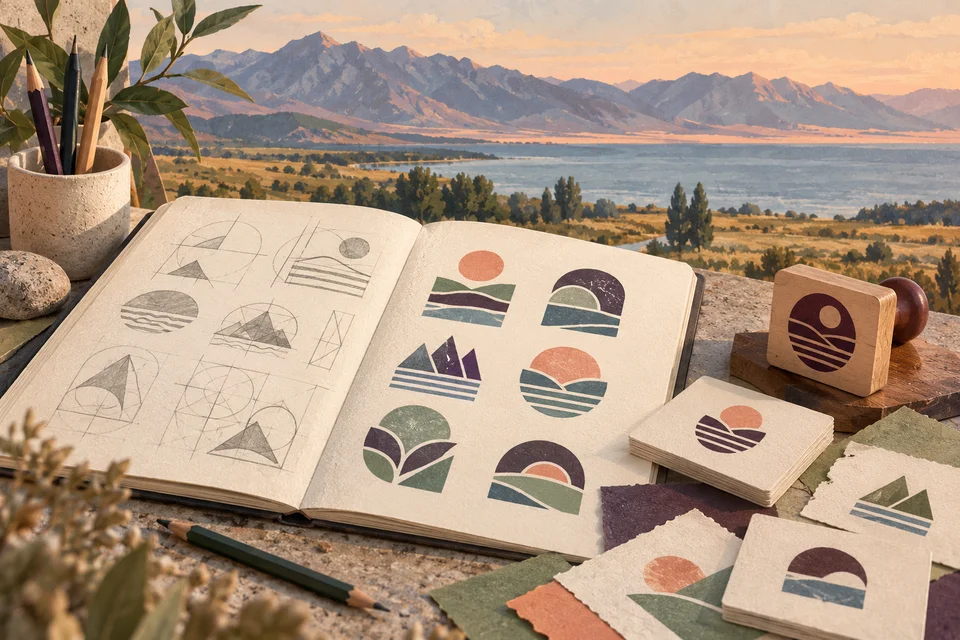
A hypothetical home service might need a concise leave-behind explaining maintenance options. An appointment business might need a clear preparation sheet. A shop might need coordinated promotional materials. These are planning examples, not claims of local client work. Local relevance comes from understanding the encounter; a field or lakeshore illustration cannot compensate for an offer that remains hard to understand.

Choose one main message and a realistic reading distance
Before discussing colors, finish this sentence: after seeing this piece, the customer should understand something specific or take a particular action. A capabilities sheet may help someone compare services. An announcement may explain a change. A short campaign graphic may invite a visit to a detailed webpage. Trying to accomplish all three in one small design can make every message weaker.
Information hierarchy determines what gets noticed first, second, and third. The headline should identify the subject, supporting copy should explain the useful detail, and the next step should be easy to locate. Conditions that affect the offer must remain legible. Review the actual words before treating small type as the solution to an overcrowded layout.
Scale matters. A printed sheet read in the hand can carry information that a display seen from a distance cannot. Digital graphics may be cropped or viewed on a small screen. Ask for the intended dimensions and placement before design begins. A layout should be adapted thoughtfully across formats rather than reduced until essential text becomes too small to use.

Create a consistent family of materials
Consistency means customers can connect different pieces to the same business. Use the approved logo, a deliberate type hierarchy, and colors that work in the required media. If existing brand files are incomplete, identify that early. A blurry logo taken from a screenshot may limit printed quality, and substituting a different font can change the tone of a familiar identity.
Content needs consistent rules too. Decide how services are named, how dates are written, and which details require approval. When a West Point business also serves nearby communities, use accurate coverage language across the website and printed material. Conflicting instructions create avoidable questions, especially if an older flyer stays in circulation after an offer or schedule changes.
For repeated materials, discuss whether an editable template is useful and what software your team can use. A template should protect the structure while allowing the changes staff actually need. It may not be appropriate for every deliverable, and licensed fonts or images can affect transfer. Agree on editable files and permitted uses instead of assuming every final export includes a complete working system.
Move from a content brief to a production-ready file
The brief establishes the audience, message, format, deadline, and distribution method. Gather final wording, approved logos, and images with permission for the intended use. If those inputs are missing, decide who will supply them and when. A printer deadline is only useful if content and approvals can be completed in time to meet it.
Early direction work explores hierarchy and visual tone. During review, read the layout as a customer would: identify the service, check important qualifications, and locate the next action. Share feedback about what is unclear or inaccurate rather than only naming a preferred color. One consolidated review helps keep corrections coherent when several people are involved.
Refinement addresses spacing, legibility, consistency, and production requirements. Printed work should follow the chosen vendor’s dimensions, bleed, safe areas, and file specifications. Digital exports need appropriate dimensions and readable detail at their actual display size. Printing, installation, media placement, and vendor proofs should be discussed as separate responsibilities unless the scope explicitly includes them.

Know what changes the effort and how to judge the work
A single announcement with approved copy is a different project from a multi-format campaign with unfinished messaging. The number of layouts, amount of information, image preparation, custom illustration, and revision needs all affect effort. List the formats you need now and the ones you expect later so the proposal can describe a useful set of deliverables.
Timing can depend on more than design production. Staff may need to verify a service description, approve an offer, or obtain an image license. A print vendor may require a proof before producing the full order. Discuss these dependencies early. If the deadline is close, a smaller set of complete, accurate pieces may be more useful than rushing an entire campaign.
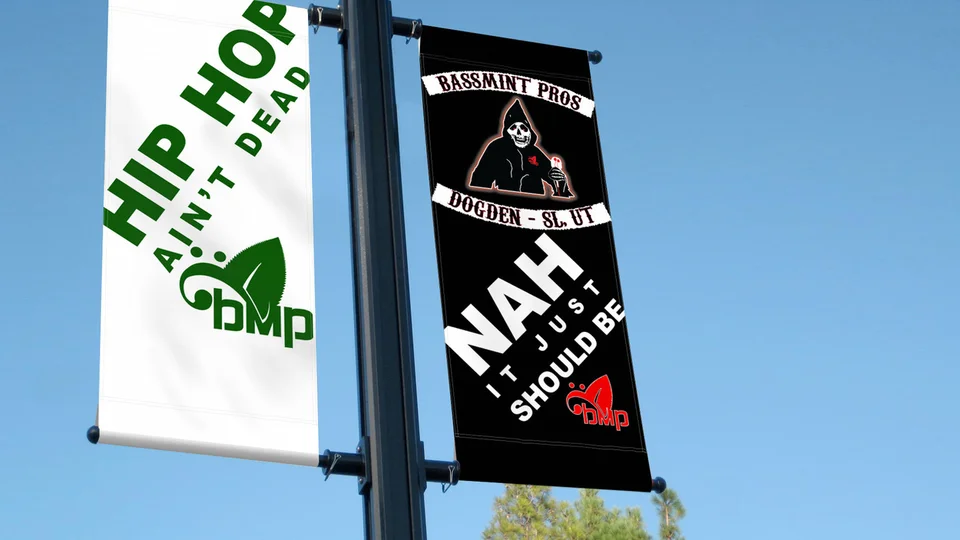
Galactic’s existing graphic portfolio provides examples of composition and communication to evaluate. Look at what the viewer notices first and whether the supporting information remains readable. The portfolio examples on this page are not presented as West Point commissions. The conceptual illustrations show planning ideas and should not be mistaken for delivered customer projects.
Good design can support recognition and clearer decisions, but response depends on the offer, distribution, timing, audience, and follow-up. After using a piece, collect practical feedback: did customers misunderstand a condition, could staff explain the offer easily, and did the next step work? Those observations give a revision more direction than a request to make the design louder.
Questions about graphic design in West Point
Can one design work for print and social media?
The core message and visual style can carry across both, but dimensions, reading conditions, and production requirements differ. Plan appropriate adaptations so text and important details remain useful in each setting.
Do you need our final copy before starting?
Accurate, approved copy makes layout decisions more reliable. If wording is still being developed, discuss that in the scope and identify who will approve it before the final production files are prepared.
Can our team edit the finished materials?
Ask for that capability before the project is scoped. Editable templates depend on your software, staff needs, and licenses. A print-ready PDF or image export is not the same as an editable source file.
Is printing included?
Confirm production arrangements in the proposal. Design files, printing, proofing, delivery, and installation are different responsibilities. Your chosen vendor’s specifications should be available before final file preparation.
What should we bring to the first conversation?
Bring the intended message, audience, formats, deadline, current brand files, and examples of where the material will appear. Flag any offers, dates, or claims that still need approval.
Connect the work across your business
West Point web and design services · West Point web development · West Point logo design
Compare relevant service-area information for Clinton and Syracuse, or explore Galactic’s portfolio before discussing your scope.
Your next step
Make the next customer decision easier.
Share the message your customers need to understand and where they will see it. We can define a practical graphic design project for your West Point business.
Discuss your West Point project