

Turn website interest into a useful first conversation
A useful business website prepares both sides of an inquiry. Customers should understand whether the service fits their needs, and the team receiving the request should have enough information to respond meaningfully. That connection matters more than adding features without a clear role.
For an Eastmont business, service coverage is part of that explanation. The Census Bureau identifies Eastmont as a census-designated community. A community name can help describe an audience, but it does not by itself tell customers where appointments happen or whether a particular address is covered.
Galactic Digital Studios plans web development around the information and actions your business needs to support. We connect page structure, interface design, and implementation so the path from reading about a service to requesting help is clear and manageable.
Define what a successful inquiry should contain
Start with the response your team needs to give. If a useful reply depends on the service type, general location, or project stage, those may belong in the inquiry process. Details that do not affect the initial response can often wait until a later conversation.
A long form can create unnecessary work, while a form with almost no context can produce repeated clarification. Choose fields deliberately and explain unfamiliar questions. Required fields should reflect an actual need, and optional information should be visibly optional.
For example, a hypothetical project-based service might ask for the requested work and broad timing before discussing detailed specifications. The right sequence depends on the operation. It should not be copied from another business simply because that form looks comprehensive.

Answer the essential questions before asking for information
A service page should explain what the business offers, relevant exclusions, and how the engagement begins. Visitors should not have to submit a form to discover basic scope. Clear content helps people decide whether an inquiry is worth their time.
Keep coverage, appointment arrangements, and response expectations consistent across pages. If work takes place at the customer’s location, explain that accurately. If an appointment request needs manual review, distinguish it from a confirmed booking in both the button label and the resulting message.
Navigation should help returning visitors as well as first-time readers. Someone looking for preparation instructions should not have to repeat the sales journey. Give recurring resources a sensible home and make their relationship to the service clear.

Design the form and its response as one interaction
A form is not complete when the submit button looks right. People need clear labels, understandable validation, and a reliable indication of what happened. An error should identify the problem without forcing a visitor to guess which information was lost.
Plan success and failure states alongside the ordinary page. If delivery fails, the interface should provide an appropriate recovery path. A success message should explain the actual next step without promising a response time the business has not agreed to support.
Keep accessibility in the implementation brief. Keyboard operation, visible focus, associated labels, and readable contrast all affect whether a person can complete the task. Testing should include ordinary mobile conditions and real content, not just a perfectly filled demonstration form.

Build a more useful inquiry path for your Eastmont business website.
Connect the front end to a process someone owns
Discovery should identify where inquiries go and who monitors them. Confirm the destination account, required integrations, and any internal routing rules. A polished interface cannot compensate for requests arriving in an inbox that nobody regularly checks.
Build and review a representative path before expanding the site. Test the service content, form, notification, and confirmation together. Use harmless test submissions to check that the information arrives as expected and that the team understands what it receives.
Before launch, review links, old URLs, mobile layouts, and the ownership of the domain and hosting. If replacing a website, plan for useful existing pages and redirects. A launch checklist should cover continuity as well as the appearance of the new design.
Keep the website useful after delivery
Routine changes should have a clear owner and a practical editing method. A business may need to update service descriptions frequently while leaving layout and functionality to a developer. Define those responsibilities rather than assuming every staff member should edit every part of the site.
Agree on maintenance, account access, backup expectations, and any ongoing support separately from the initial build. Third-party services may introduce subscription costs or limitations. Those dependencies should be visible when choosing a feature, not discovered only after the site launches.
Scope affects both budget and schedule. Content migration, custom forms, integrations, writing, and approval rounds can require substantial work beyond page layout. Compare proposals by their included responsibilities and handoff details rather than by page counts alone.
Evaluate completion of the task, not just the homepage
Review a website by trying the actions customers actually need. Can someone identify the right service, understand coverage, correct a form error, and recognize the next step? These checks reveal practical quality that a static homepage screenshot cannot establish.
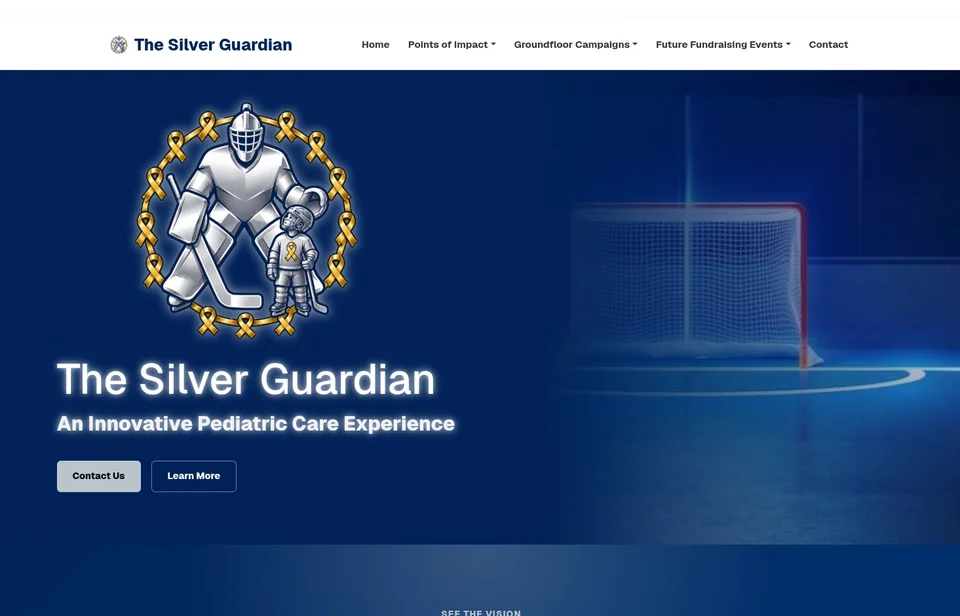
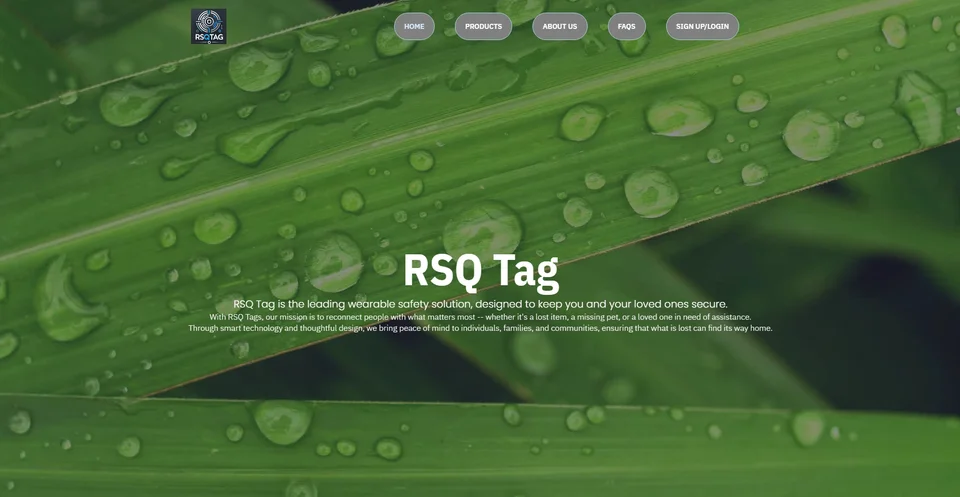
Portfolio examples can support a discussion of design and structure, while the conceptual interfaces shown here illustrate planning ideas. Neither promises a particular lead volume or demonstrates an Eastmont client relationship. Results depend on the offer, audience, operations, and other marketing activity as well as the site.
Web Development questions for Eastmont businesses
Can we improve inquiries without replacing the whole site?
Possibly. Review the current platform, service content, and form behavior first. A focused change may be sufficient when the underlying structure is sound. The review should consider notification handling as well as the visible interface.
How many form fields should we use?
Use the information needed to make a useful first response. There is no universal field count. Explain necessary questions, mark optional details clearly, and postpone information that belongs in a later stage of the relationship.
Does a booking tool make sense for every business?
No. Immediate booking works only when availability and service rules can be represented accurately. A reviewed request may be more suitable for variable projects. Confirm costs, account ownership, and exception handling before choosing the tool.
Can staff update the finished website?
Editing access and guidance can be planned around the team’s routine needs. Agree on what staff should change, the tools involved, and any training. Technical maintenance and new functionality may require separate support.
How do we prepare for web development?
Collect approved service information, existing page links, account access, and examples of confusing customer inquiries. Identify an approver and the person who receives requests. These inputs help define an appropriate first release.
Explore related services and nearby areas
Eastmont web and design services · Eastmont graphic design · Eastmont logo design · Everett services · Picnic Point services · Galactic portfolio
Plan your next step
Make the next step clear on both sides
Tell us what customers need to request and what your team needs to respond. We can plan a website with clear service content, appropriate functionality, and a maintainable process behind each inquiry.
Discuss your Eastmont project