
Answer the questions that come before a visit
A useful Freeland business website helps people decide whether the offer fits their needs and what to do next. Galactic Digital Studios combines website structure, design, and development to support that decision. We start with the customer's task, then determine what information and functionality the site needs to provide.
Freeland is on South Whidbey Island, where the local chamber presents both business and visitor information. For website planning, that is a reason to consider different levels of familiarity. A regular customer may recognize your business name immediately; someone planning a first visit may need a fuller explanation of your offer and arrangements.
Imagine a hypothetical Freeland workshop that accepts consultations by appointment. Its site should explain what the consultation covers, what to bring, and how to request one. A vague invitation to stop by could create confusion. Your actual business process supplies the content requirements; the design should make those requirements easy to understand.
Separate discovery from practical planning
Visitors need a quick explanation of what you do before they commit to a longer read. Begin important service pages with a clear description and who the service suits. Follow with relevant examples, process information, and qualifications that affect the decision. Keep practical details close to the action they support.
A visit-planning section should contain information your business controls and can keep accurate. Explain appointments, collection, access arrangements, or service coverage where relevant. If customers need external travel information, direct them to the appropriate current source rather than maintaining copied schedules on your site. Do not bury essential operating details inside an image.
Structure navigation around meaningful categories. A retailer and a professional service firm need different paths, even if both operate in Freeland. Decide when a separate page adds useful detail and when a clear section is enough. Relevant printed and digital materials should lead back to the page that answers the reader's question.

Choose features your team can support
A contact form, booking link, or product inquiry should fit the way your team handles requests. Define what information you need initially and what can wait until a conversation. Asking for too much may make an otherwise simple inquiry difficult; asking for too little may leave staff repeatedly chasing basic details.
Discuss external tools early. Booking, payment, or inventory systems can introduce accounts, subscriptions, and constraints that affect the website scope. A useful proposal distinguishes a simple link from an integration that transfers information. Clarify who manages the service and what should happen when it is unavailable.
For a Freeland business with changing availability, decide where that information is maintained and who updates it. A static brochure site and an actively managed catalog involve different ongoing work. If the business is changing its identity, coordinate logo design before final page styling so the site reflects an approved direction.
Make content and testing part of development
Discovery maps the audience, services, and inquiry process. Inventory the existing pages and decide which to keep, combine, or retire. For a replacement website, identify important old addresses so redirects can be planned. Gather approved images and copy before assuming every page is ready for design.
Review a representative layout early. Check whether a visitor can understand the service and find the next action without reading every paragraph. On a phone, assess navigation, text size, image behavior, and form controls. Feedback is most useful when it describes an obstacle in that journey rather than only a preferred color or effect.
Before publication, review links, inquiry delivery, error messages, and the agreed editing workflow. Clarify domain, hosting, and account access with the business owner. Budget and timing depend on content volume, integrations, review needs, and readiness. An important launch date should shape the scope discussion before development starts, not appear as a surprise during final revisions.
Use examples to ask better technical questions
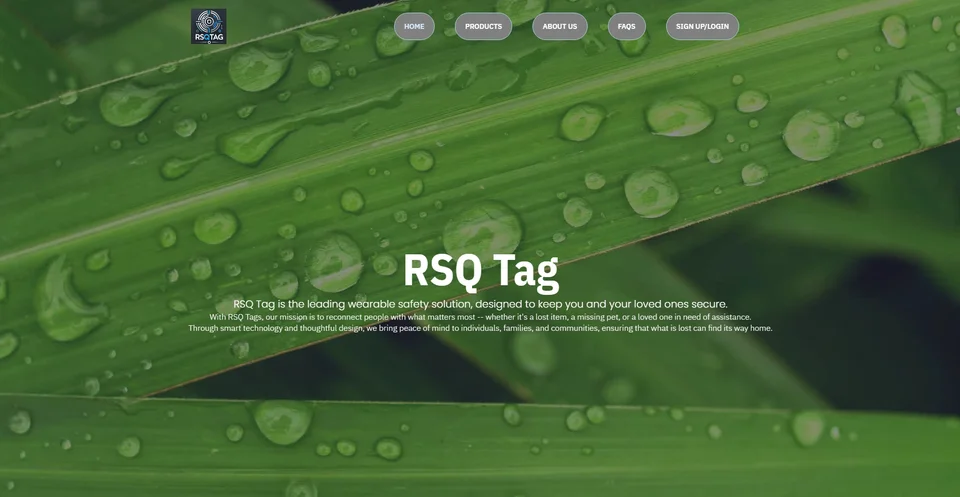
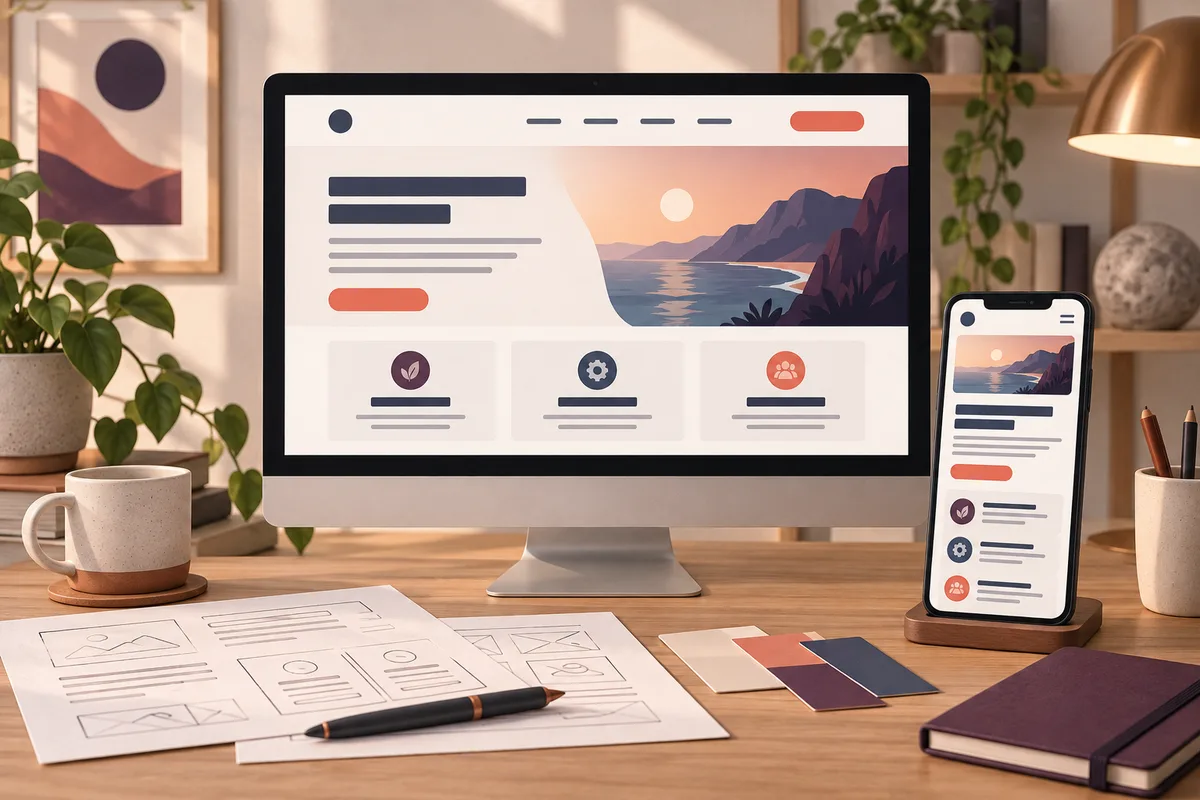
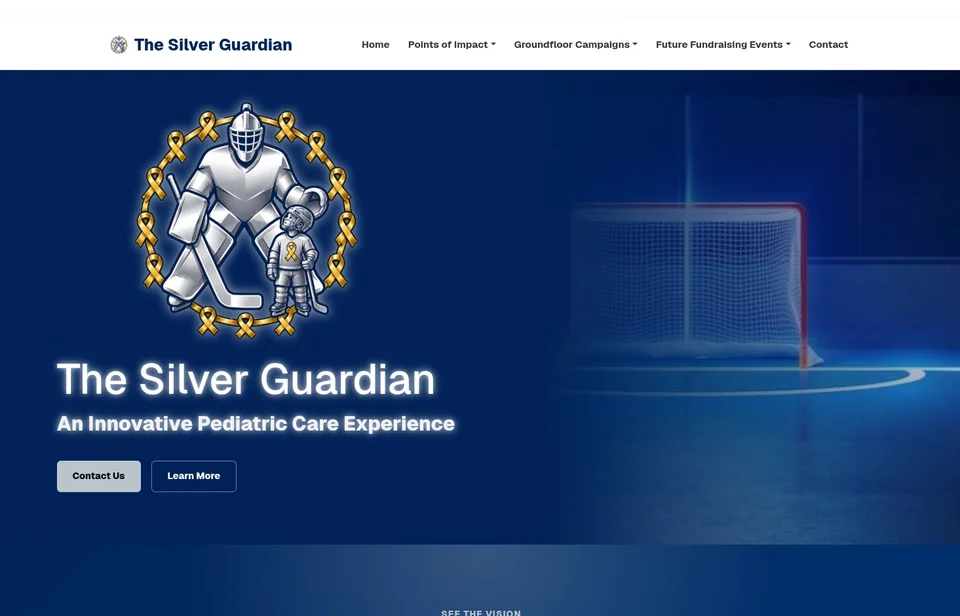
The website images on this page show existing Galactic portfolio work, with a separate illustration labeled as a design concept. None is presented as a Freeland client project. They provide a way to discuss information hierarchy and visual presentation, but a screenshot cannot demonstrate every interaction or maintenance requirement.
When reviewing the portfolio, identify the qualities that would help your customers. Perhaps a service is introduced clearly or an inquiry path is easy to recognize. Then ask how those choices relate to the features and content in your scope. A site should be evaluated against its purpose as well as its appearance.
We collaborate remotely with Freeland businesses and rely on your team for accurate operational details. Development can improve usability and make information easier to find within the site. Search visibility and lead volume also depend on many factors beyond a build. No website proposal should treat a launch as a guarantee of rankings, bookings, or revenue.

Keep the published site useful between projects
Choose a person responsible for checking the information customers depend on. A new service, a revised appointment process, or an expired promotion should trigger a review of the related pages and downloads. That is easier when the business knows where each type of content belongs and how it is updated.
Agree on the ongoing arrangements separately from the initial build. Hosting, software updates, backups, content edits, and monitoring may involve different responsibilities. Ask what your team can do directly and what requires support. Keep access records in a place the business controls so a future handoff does not depend on one person's memory.
If your Freeland operation serves mainland customers too, explain any meaningful differences rather than adding interchangeable location pages. The Everett web development page offers another regional service reference. For your own site, customer questions and actual coverage should determine whether an additional page provides value.
Questions about web development in Freeland
Can we keep our current domain?
Usually the domain can remain part of a replacement-site plan, subject to access and configuration. Establish who controls it early and discuss any hosting or email dependencies before changing settings.
Should we add online booking immediately?
Only if it fits your process and someone can manage availability. A clear inquiry workflow may be a better first step when appointments need discussion or approval. Compare the operational requirements before choosing a tool.
Who supplies the writing and photographs?
Specify that in the scope. Existing material may be reusable, while other pages need new content or properly licensed imagery. Content preparation and approval affect both effort and launch timing.
Can you improve a site without replacing everything?
An assessment can identify whether focused content, layout, or interaction changes are practical. Share the current site, available access, and examples of the problems customers encounter.
What should we review after launch?
Check that inquiries reach the right place and that the team can maintain key details. Collect recurring customer questions and use them to prioritize improvements. Measurement, when configured, should reflect meaningful business actions.
A practical next step
Give every visit a clearer starting point.
Bring your current website, service information, and inquiry process. We can discuss a practical development scope that helps people prepare and act. Explore the full Freeland web and design offering if the project also involves identity or supporting materials.
Plan your Freeland project