
Introduce the new offer without hiding the existing one
A website should make business changes understandable. Whether you are launching a company, adding a service, or updating an established site, customers need a clear picture of what you do and how to begin. Galactic provides web development for DuPont, Washington businesses, with attention to content structure, useful interactions, and the work required to keep information accurate.
The City of DuPont describes Northwest Landing as an important part of its development and recreation system, alongside the city’s historical setting. Those local references can help orient a reader, but a business site needs its own practical explanation. We plan around your actual services, customer locations, and visiting arrangements rather than assume that everyone understands a neighborhood reference or already knows your offer.
Define the tasks for first-time and returning visitors
A new visitor may need a concise explanation of the business before choosing a service. A returning customer may want a familiar resource or a direct route to request more work. A website update should consider both. Prominent launch content can introduce a change without making established information difficult to find or leaving an existing customer unsure whether their service is still available.
For example, a hypothetical business adding a new service line might need a dedicated page, a revised overview, and an inquiry form that routes requests appropriately. It may not need a completely new platform. We review the customer tasks and current limitations before recommending the scale of the build, so the technical scope follows a concrete purpose.

Give each page a role in the customer’s decision
The homepage can introduce the business and guide visitors to useful detail. Service pages can explain fit, scope, preparation, and common questions. A contact or request page can establish the next conversation. Clear roles reduce repetition and help staff understand where a new piece of information belongs when the offer changes later.
For a DuPont business serving customers across the surrounding area, coverage and premises should be described separately. A service-area statement does not tell someone whether to visit a location. Verify any directions, location photographs, or appointment instructions with the business owner. Public paths and neighborhood names can provide context, but they should not be used as substitutes for confirmed business access information.

Choose the simplest functionality that completes the task
Galactic considers the process behind each online action. A request form should ask for information your team can use and explain what submission means. Live scheduling needs rules for availability, exceptions, confirmations, and account ownership. Payments or other integrations introduce further operational requirements. Define those responsibilities before including a feature because it appears useful in another website.
The experience should remain clear on phones and with keyboard navigation. Descriptive links, visible field labels, readable text, and helpful error messages make the path easier to follow. Responsive imagery and deliberate layouts support use across screen sizes. We review these behaviors in the working site rather than treating approval of a desktop mockup as proof that every interaction is ready.

Plan a DuPont website launch that connects new information with familiar customer needs.
Treat migration and launch as part of the project
Discovery can include the existing site, account access, content inventory, and the business change you want to communicate. A proposed structure and representative page help settle the direction before development expands. Identify who approves facts and supplies imagery. Resolve missing content early so the site is not built around placeholders that imply an unconfirmed service or commitment.
If replacing a site, identify useful URLs and resources before moving content. Plan redirects where appropriate and test links from existing materials. Before launch, review forms, delivery destinations, confirmation messages, image loading, and common screen sizes. Agree on who authorizes the release and how issues are reported afterward. The launch should complete a reviewed customer journey, not merely expose a finished layout.
Leave the business with a workable update routine
Discuss the edits your staff will make and the tools they are comfortable using. A site with changing service information needs an owner for those updates. Structured editing may help protect layout, while occasional changes may suit a simpler support arrangement. Select the workflow around the business’s needs rather than assuming every project requires the same publishing setup.
Budget depends on content preparation, distinct page layouts, functionality, and migration complexity. Timing also depends on access and approvals. Clarify hosting, backups, maintenance, licensed assets, account ownership, and handoff documentation. Third-party subscriptions and continuing support should be visible costs and responsibilities. The business should understand what the initial project delivers and what must continue after launch.
Evaluate the website through the paths people use
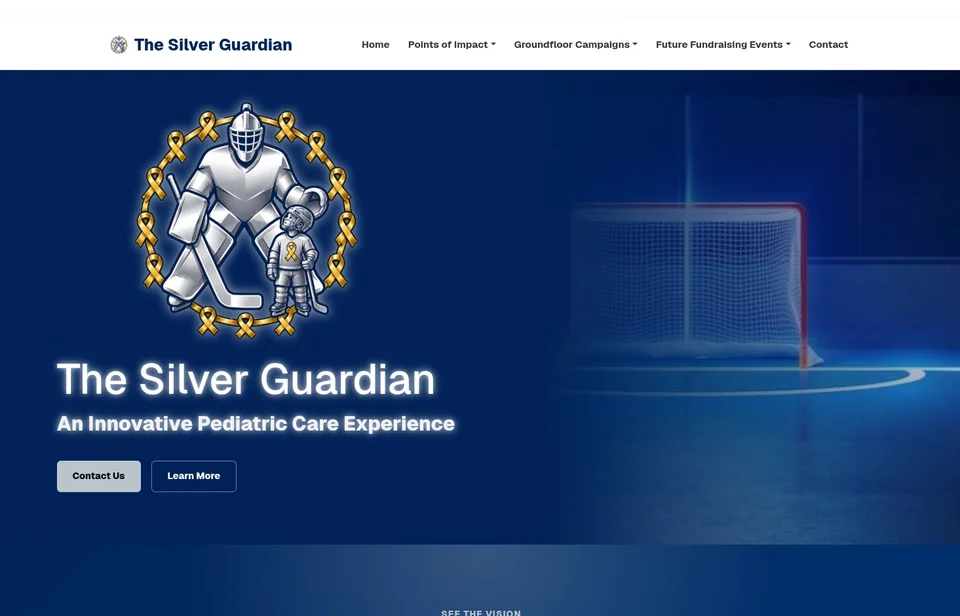
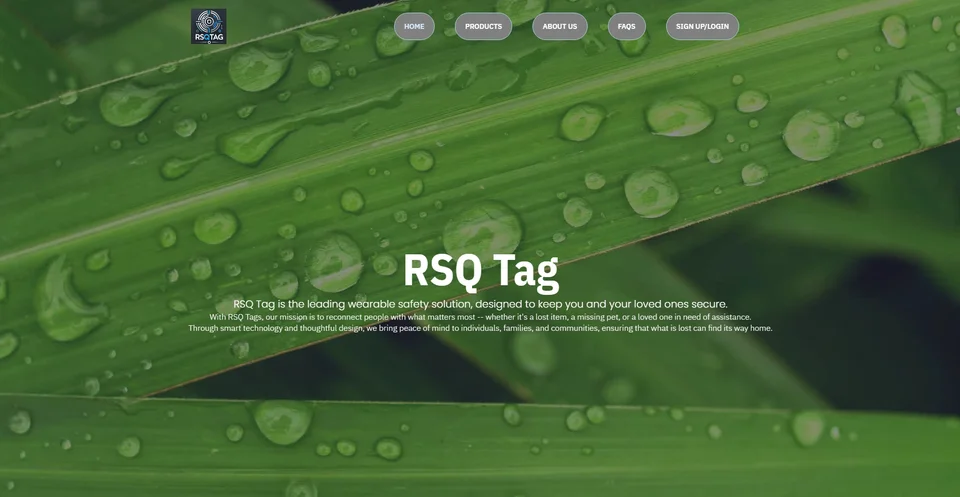
Galactic’s portfolio can be reviewed for how websites introduce an offer, organize detail, and support an action. These examples are not DuPont client projects. Ask how a similar information problem would be addressed for your audience and where your process calls for a different solution. A useful comparison examines design decisions rather than just surface style or feature count.
After release, customer feedback and agreed measurement can help reveal missing answers or confusing transitions. A repeated question about the new service may indicate that its place in the offer is unclear. Those observations can guide improvements, but development cannot guarantee rankings, inquiries, or sales. Results also depend on marketing activity, the service itself, and how the business responds.
Web Development questions for DuPont businesses
Can you add a new service to our current website?
The existing platform and structure can be reviewed to see whether a focused addition is suitable. Consider the overview, navigation, service detail, and inquiry path together. Adding one page may also require small changes elsewhere to keep the offer coherent.
Will existing customers still find familiar information?
That should be part of planning. Inventory useful pages and common tasks before redesigning navigation. Preserve or redirect relevant URLs and make deliberate choices about where established resources belong in the new structure.
Should the website include online scheduling?
Only when scheduling fits the business process and its rules can be supported. A request form may be more appropriate when availability depends on project details. Confirm account ownership, costs, exceptions, and what counts as a confirmed appointment.
What does the business need to supply?
Typically the project needs approved service facts, relevant files and permissions, account access, and a person who can consolidate decisions. Writing, imagery, and other production responsibilities should be specified in the scope rather than left implicit.
What happens after the site launches?
Agree on update responsibilities, technical maintenance, access handoff, and any support period. The site should have a clear owner for changing information. Ongoing services and future additions need defined terms rather than an assumption of unlimited revisions.
Explore related services and nearby areas
DuPont web and design services · DuPont graphic design · DuPont logo design · Lakewood services · Tacoma services · Galactic portfolio
Plan your next step
Give the updated business a clear place online
Share the services you want to introduce and the tasks customers need to complete. We can plan a website with useful content, appropriate functionality, and a handoff that supports the next stage of your business.
Discuss your DuPont project