
Give customers a useful way to assess fit
A service website should help someone decide whether your business is appropriate for their needs. Galactic provides web development for Picnic Point, Washington businesses with clear explanations, structured service information, and inquiry paths that fit the work. We consider what a visitor needs to understand before contacting you and what your team needs to know before giving a useful response.
Picnic Point appears in Census Bureau records as a census designated place. The county park with the same name is a separate destination on Puget Sound. A website should make your own service arrangements explicit rather than rely on that shared name. Explain whether you travel to customers, welcome visitors at a confirmed location, or work remotely, using geographic wording that reflects the business.
Describe the project before asking for its details
People can provide better information when they understand what you offer. A service page should explain the kind of work, who it suits, and which details affect the next conversation. Avoid beginning with a demanding form before the visitor has enough context to answer it. The first action should be proportionate to the stage of the relationship.
Consider a hypothetical provider whose work varies by project size and location. A brief inquiry may need the general objective, service area, and preferred timing, while detailed specifications belong later. Another business may have a fixed service that can be requested more directly. We define those differences before selecting form fields or deciding whether scheduling functionality is appropriate.

Organize comparisons around meaningful differences
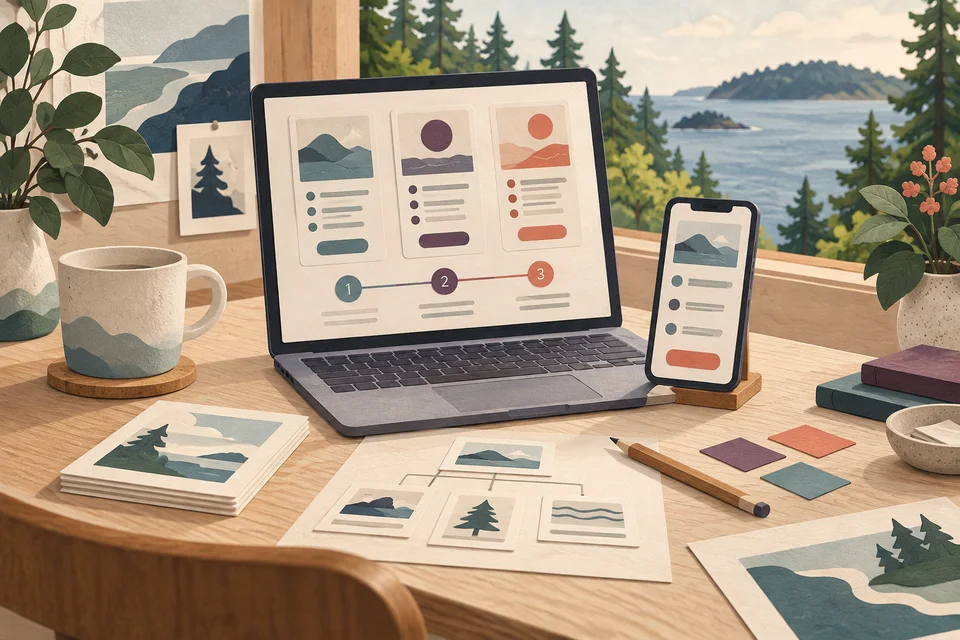
A useful comparison explains what changes between options. That might be the scope, level of preparation, deliverables, or amount of ongoing support. Repeating vague benefits in several columns does little to help a customer choose. We can organize the content so each option has a clear role, with qualifications placed near the information they affect.
For a Picnic Point service area, coverage details should be part of the explanation when they affect eligibility or planning. Do not assume that a customer knows how a neighborhood reference relates to your working area. State what can be confirmed online and what needs review. The website can guide the initial decision while leaving room for a tailored recommendation when the situation requires one.
Build a path that remains clear on smaller screens
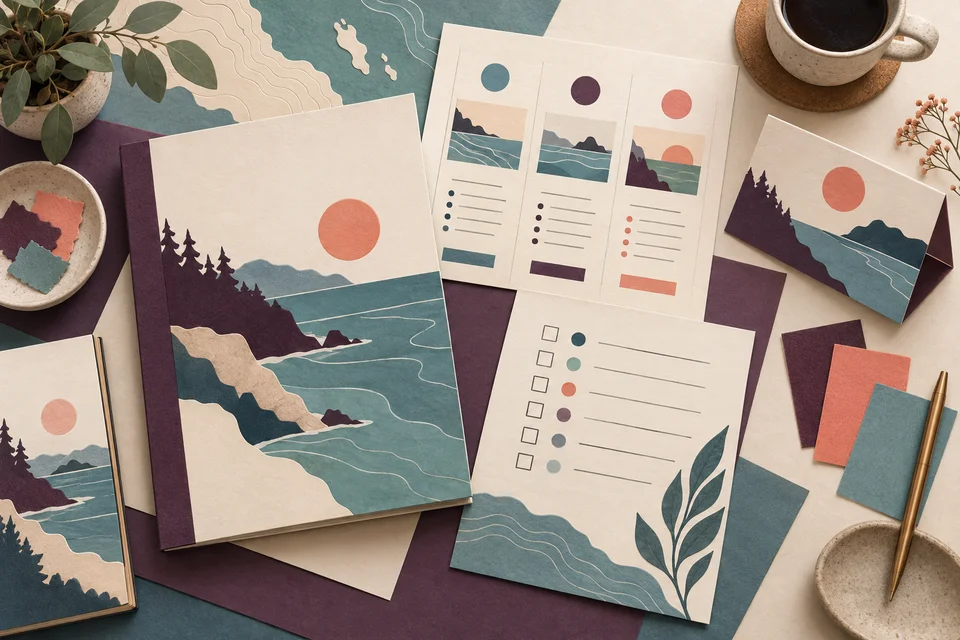
Galactic connects content structure with responsive design. A comparison that works on a wide monitor may need a different arrangement on a phone. Headings, labels, and the relationship between an option and its qualifications should remain understandable as the layout changes. Important service information belongs in readable HTML rather than only within a large graphic.
We also consider keyboard navigation, visible form labels, helpful validation, and clear confirmation messages. A customer should understand whether they submitted an inquiry or completed a booking. Images need appropriate sizing and alternatives, and navigation should describe its destinations. These qualities are reviewed in the working site, because an attractive static presentation does not establish how the experience behaves.

Plan a Picnic Point website that turns service comparisons into useful inquiries.
Review the journey from comparison to response
The project can begin with existing content, account access, the service structure, and examples of customer questions. We then develop a proposed information architecture and visual direction. Reviewing a representative service page can resolve important content decisions before the rest of the site is built. Assign responsibility for facts, imagery, and approvals so essential information is available at the right stage.
Before launch, test the complete path: finding an option, reading its conditions, submitting a request, and understanding what follows. Confirm submission delivery and error handling as well as layout. If replacing a website, review useful existing URLs and agree on redirects where content moves. Define release responsibilities and how issues will be reported after launch.
Match editing tools to the information that changes
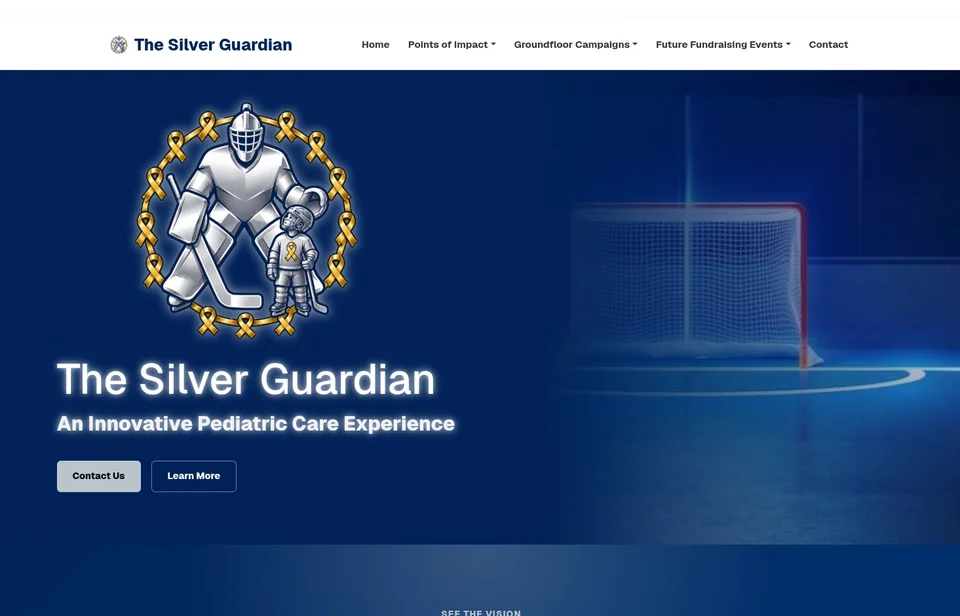
A website is easier to maintain when someone owns each type of update. Identify whether service descriptions, availability, examples, or pricing explanations change regularly, then discuss how staff will edit them. A structured workflow can help preserve layout while allowing useful changes. Avoid selecting a complex publishing system without a clear reason for the business to manage it.
Budget depends on original content, unique layouts, integrations, and migration. Timing also depends on account access and approvals. Clarify hosting, backups, licensed assets, technical maintenance, and handoff documentation. If a third-party tool supports booking or payment, confirm its ownership, recurring costs, and operational rules. These responsibilities should be visible alongside the initial development scope.
Look for a website that explains its choices
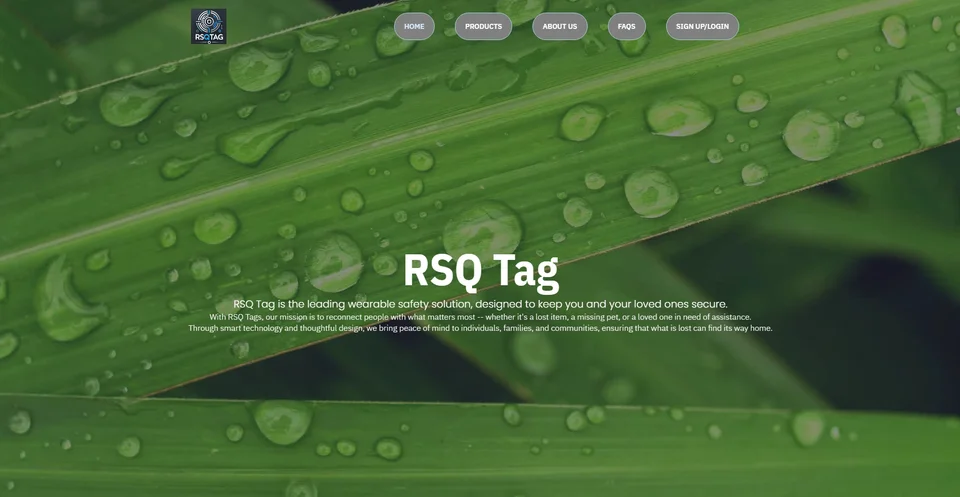
Galactic’s portfolio can be reviewed for service organization, navigation, and the connection between information and action. The examples on this page are not Picnic Point client work. Ask how a comparable problem would be handled for your customers and which parts of the example would be unnecessary. Fit depends on the reasoning behind the design, not simply the number of features it contains.
After launch, recurring questions and agreed measurement can help reveal unclear distinctions or missing information. A customer repeatedly choosing the wrong service may suggest the categories need attention. That is a possible learning opportunity, not a promised result. Website development can support usability and visibility, while traffic, inquiries, and revenue also depend on the market and the business’s response process.
Web Development questions for Picnic Point businesses
Can the site compare different service levels?
Yes, when the differences are clearly defined. Explain inclusions, limitations, and the next step for each option. We can consider a structure that remains readable on phones and does not hide important qualifications in a dense table.
Should visitors be able to request a quote online?
A quote-request path can be useful when the business knows what information is needed. Distinguish a request from a confirmed price. The form should collect enough context for a response without requiring unnecessary detail before the service has been explained.
Can we keep the platform we already use?
The current platform can be assessed against the content, editing, and functionality requirements. A focused improvement may be sensible when it supports the intended work. A replacement should have a practical reason rather than be assumed at the outset.
How do we describe our Picnic Point coverage accurately?
Use the area name where it reflects actual service coverage and explain any limits that matter to customers. Keep coverage separate from physical premises. A local service page should not imply an office or visiting location that the business does not operate.
What should be agreed before launch?
Confirm approved content, working forms, account ownership, update responsibilities, and the release process. Review redirects if existing pages move. Ongoing technical support and future content changes should have clear terms rather than being left as assumptions.
Explore related services and nearby areas
Picnic Point web and design services · Picnic Point graphic design · Picnic Point logo design · Everett services · Brier services · Galactic portfolio
Plan your next step
Help customers arrive with the right questions
Tell us what your services include and what your team needs from a first inquiry. We can shape a website around those decisions, with clear content, usable interactions, and a practical plan for keeping the information accurate.
Discuss your Picnic Point project