
Serve the regular customer and the first-time visitor
Galactic Digital Studios offers web development, graphic design, and logo design for businesses in Freeland, Washington. We help connect your message across the places customers encounter it: a website, a business card, a service document, or a visual identity. The starting point is understanding what people need from your business before choosing how to present it.
The Greater Freeland Chamber of Commerce describes Freeland as South Whidbey Island's commercial center. Its overview includes retail, professional services, and construction alongside visitor information. That mix suggests a useful planning question: does your communication serve people who already know the area as well as people making their first visit?
A hypothetical Freeland shop might need to explain collection arrangements to a visitor while keeping product information easy for regular customers to find. A professional service business may need to explain appointment preparation instead. Those are different communication tasks, even when the businesses share a community. We shape the project around the tasks that actually matter to you.
Follow one customer journey across your materials
Look at what a new customer sees between hearing your name and contacting you. Perhaps a referral leads to an outdated website, or a useful handout points to a page that does not explain the service. Improving the connection between those pieces may be more valuable than replacing everything at once.
Start with Freeland web development when the problem involves online information, navigation, or inquiries. Choose graphic design when the message needs a clearer printed or digital format. Consider logo design when the business lacks a recognizable identity or its existing mark is difficult to apply.
The sequence depends on what is already usable. An established business with a familiar logo might retain it while reorganizing its site. A new business may need identity decisions before commissioning signs or promotional materials. We discuss those dependencies so the first project leaves you with something complete and useful.
Define the information your team can keep accurate
For a Freeland business, practical details can be as important as the opening message. Customers may need to know whether an appointment is required, how to prepare, whether collection is available, or which services extend beyond your premises. Publish the arrangements you can maintain and explain exceptions where they affect a decision.
Scope the project around both creation and upkeep. A website with frequently changing offers needs an update plan. A printed piece should avoid details that will become obsolete before it is distributed. A reusable graphic needs a format your team can actually edit. These choices influence the design before any visual direction is approved.
Budget reflects the amount of content, number of applications, technical requirements, and review effort. Timing depends on those factors plus information and approvals from your team. Share important dates early, including any planned opening or promotion. A clear proposal should identify what is included, what depends on others, and which work can follow later.
Turn local knowledge into a useful creative brief
Your experience with customers is one of the most valuable project inputs. Bring the questions people ask before buying, the services they misunderstand, and the material your team repeatedly has to explain. We use those observations to connect the audience, content, visual direction, and eventual implementation.
Discovery establishes the main problem and deliverables. Direction makes the proposed solution concrete through an outline or design. Review then tests the work against the brief: can a first-time customer understand the offer, and can a returning customer find what they need quickly? Consolidated comments keep revisions focused on those questions.
Before delivery, check the result in the setting where it will be used. Review pages on a phone, assess a document at reading size, or check artwork against production specifications. Agree on file delivery, access, and responsibility for future updates. Galactic collaborates remotely with Freeland businesses; the process draws on your local knowledge without implying a studio office on Whidbey Island.

Look for craft and ask how it applies to your business
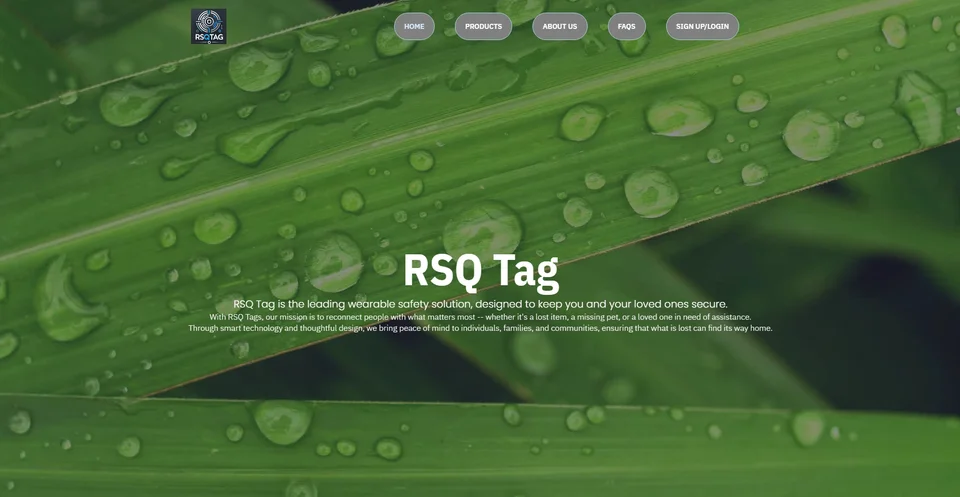
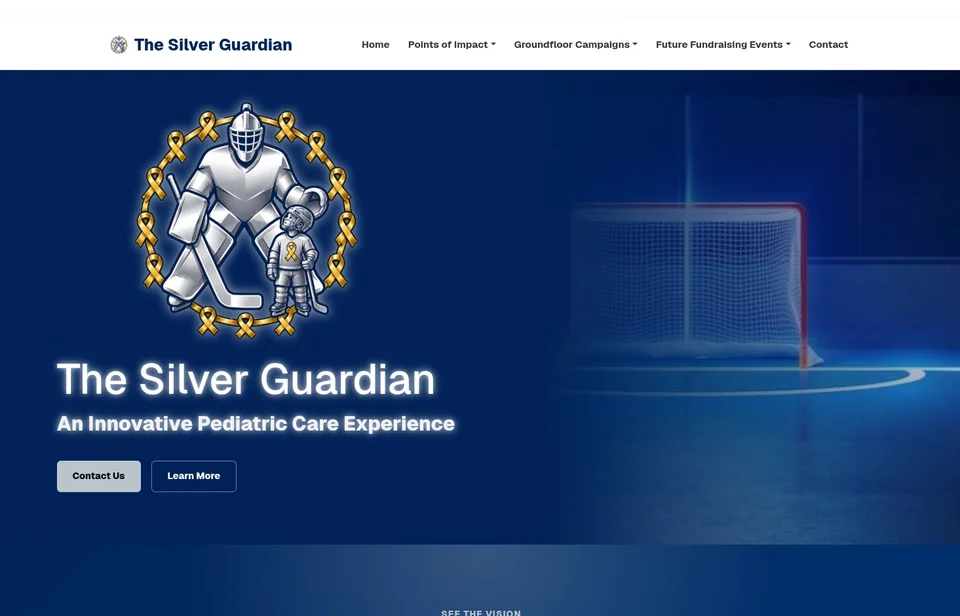
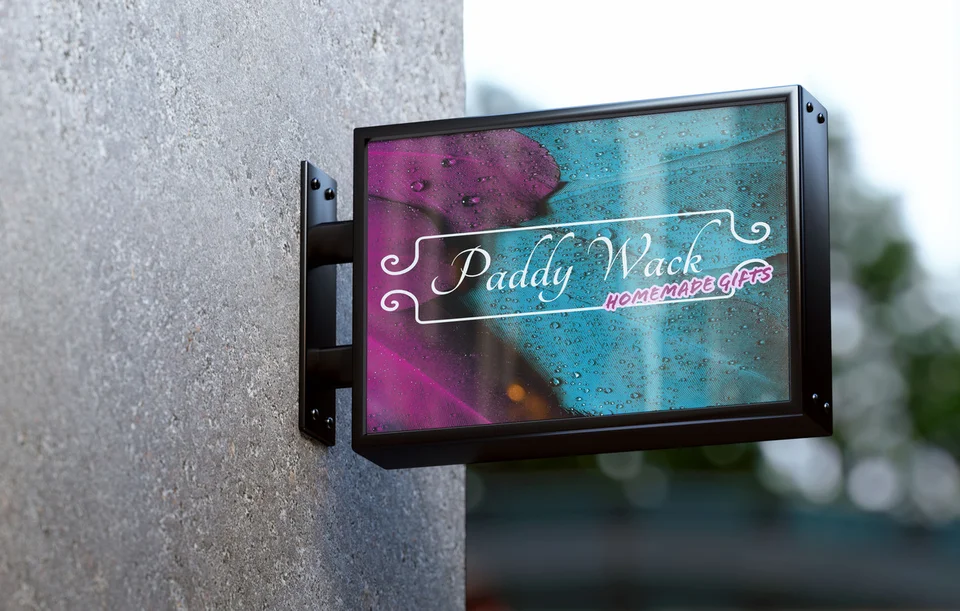
The supporting examples show existing Galactic website, identity, and graphic design work. They are not presented as Freeland commissions. Use them to evaluate how information is organized and how a visual direction carries across applications. Ask which parts of a sample are relevant to the specific problem you want to solve.
Explore the studio portfolio and Galactic background alongside the proposal. Attractive presentation is one part of the evidence. The deliverables, review process, production assumptions, and handoff arrangements tell you whether a project is suited to everyday use by your team.
Clear design can support recognition, credibility, and more informed inquiries. It cannot determine customer demand or guarantee sales. Your offer, availability, reputation, and response process still matter. When comparing providers, ask how the work will address a concrete communication issue rather than relying on an unqualified promise that a redesign will transform the business.
Build a foundation that can handle change
A consistent presentation should allow the business to evolve. Separate stable choices, such as identity and core service explanations, from details that change frequently. That makes it easier to introduce a new offering or refresh a promotion without starting the whole design process again.
If your business also works with mainland customers, describe those arrangements explicitly. Our Everett service-area overview is another regional starting point for web and design work. Your own coverage should reflect actual operations, including any differences in delivery, travel, or appointment arrangements. Serving a place does not imply maintaining a location there.
After launch or delivery, collect questions your materials still leave unanswered. Use those observations to choose the next improvement. A new page, revised handout, or clearer identity application is most useful when it removes a specific obstacle. Keep approved files organized so each addition strengthens the system already in place.
Questions about web and design in Freeland
Can we start with one problem instead of a complete redesign?
Yes. Describe the customer task that currently fails, such as finding a service or preparing for an appointment. A focused scope may solve it while preserving useful existing content and artwork.
Does every Freeland business need visitor-focused content?
No. Your audience determines the emphasis. A business serving regular local clients may need different information from one welcoming first-time visitors. Avoid adding travel or tourism content that does not help your customers.
What will affect the estimate?
The amount of writing, page or format count, technical features, source material, and review requirements all influence effort. An estimate is easier to compare when deliverables and assumptions are described explicitly.
How do remote projects stay organized?
Agree on a decision maker, shared materials, review milestones, and feedback arrangements. Your team provides accurate operational information while the project process turns that knowledge into content and design.
Will our team be able to make future changes?
Discuss that before choosing the deliverables. Website access, editable templates, source files, and ongoing support depend on the agreed scope and any third-party tools or licenses involved.
A practical next step
Make the next customer conversation easier.
Share what your business offers and where people currently get stuck. We can discuss the web, graphic, or identity work that would make the next step clearer for your customers and more manageable for your team.
Plan your Freeland project