

Help people compare with confidence
Web development for Bellevue businesses with expertise to explain
Galactic Digital Studios provides web development for small businesses in Bellevue, Washington. We build websites around the information customers need before they choose a provider: the service, the fit, the available evidence, and the next step. Design and development work together to make that decision easier to navigate.
Bellevue’s economic development resources describe a business community that includes technology, retail, arts, and small ventures. A website for a specialized service in that setting may need to do more than introduce a name. It may need to explain a process or help someone distinguish between several related offers.
We collaborate remotely with Bellevue owners and teams to make those distinctions useful. The aim is a website that presents your capabilities clearly, supports a relevant inquiry, and gives your team a manageable way to keep the information accurate.
Structure before page count
Build around the questions that come before an inquiry
What problem do you handle?
Explain services in language a prospective customer can recognize. Internal department names may not be useful navigation labels. Organize the offer around meaningful differences rather than asking visitors to decode your business structure.
Is this appropriate for us?
Describe the kinds of needs, project boundaries, or starting conditions that matter. Helpful qualification information allows someone to assess fit before completing a form and gives your team a more informed conversation.
What happens next?
A consultation request, booking, purchase, and document download are different actions. Make the purpose of each clear, and explain the transition into any external system the customer will use.
Make specialized services easier to distinguish
Imagine a Bellevue business offering both a one-time assessment and a longer implementation engagement. A visitor may understand the broad category but still be unsure which route fits. A useful website explains the difference, describes the information needed to begin, and connects each option with an appropriate next step.
That hypothetical example illustrates an information problem, not a completed client project. Your own service descriptions should be based on how the business actually works. We can discuss what belongs on a service page, which details need a conversation, and what can be explained through a practical FAQ.
Evidence should be equally specific. If you have approved work examples, describe your role and what the example demonstrates. If you cannot publish client details, explain the process and deliverables you can discuss. A website can be credible without filling gaps with unsupported claims or stock language about results.
A clear journey through the details
Connect the content with the working interface
Our strategic approach starts with the customer’s decision and carries it into navigation, layouts, and interactions. The page hierarchy should make the offer understandable. Visual choices should establish emphasis. Development should make the intended action work reliably across the agreed devices and workflows.
For a visitor comparing providers, consistency matters from one page to the next. Service names, button labels, and form instructions should describe the same offer. A form should ask for useful starting information, explain required fields, and provide an understandable response when something needs correction.
Clear written content, descriptive headings, relevant internal links, and accessible interactions support visibility and credibility. They also help people act on what they learn, which can support lead generation. These are practical foundations for growth, not a promise of search rankings, AI-summary placement, or a particular inquiry volume.

Define the technical responsibilities before the build
A website proposal should explain more than its page count. Identify content preparation, custom layouts, forms, integrations, migration, and editing needs. A straightforward information site and a site connected to several business tools have different requirements even when they contain the same number of pages.
Share the workflow behind each feature. If an inquiry must reach a particular person or system, define the routing and what a successful submission looks like. If a booking tool is involved, review the customer handoff and the information that remains on your own site. Testing should cover the whole agreed journey.
For an existing website, inventory useful URLs and content before replacement. Decide what stays, what changes, and where redirects are needed. Clarify control of the domain, hosting, and connected accounts. Confirm recurring costs and which maintenance tasks are included after launch.
Brand decisions can affect development too. Coordinate Bellevue logo design or graphic design when those assets are part of the project. An agreed identity and realistic content make it easier to evaluate the site you are actually going to publish.
Review the important decisions early
A practical path from discovery to launch
Audit the starting point
Review the current site, services, audiences, customer questions, and connected tools. Identify the priority actions and the information your team can provide to support them.
Plan and design representative pages
Map the content and establish the visual direction. Review key layouts with realistic text. Resolve major structural questions before they are repeated across the website.
Build and verify the experience
Develop the agreed pages and interactions. Check responsive layouts, keyboard access, forms, and external handoffs. Review error and confirmation states as part of the customer experience.
Launch with a clear handoff
Check links, redirects, metadata, and access. Confirm editing responsibilities and the scope of ongoing support. Record follow-up priorities so future work begins from a known state.
Ask what a website example can actually show you
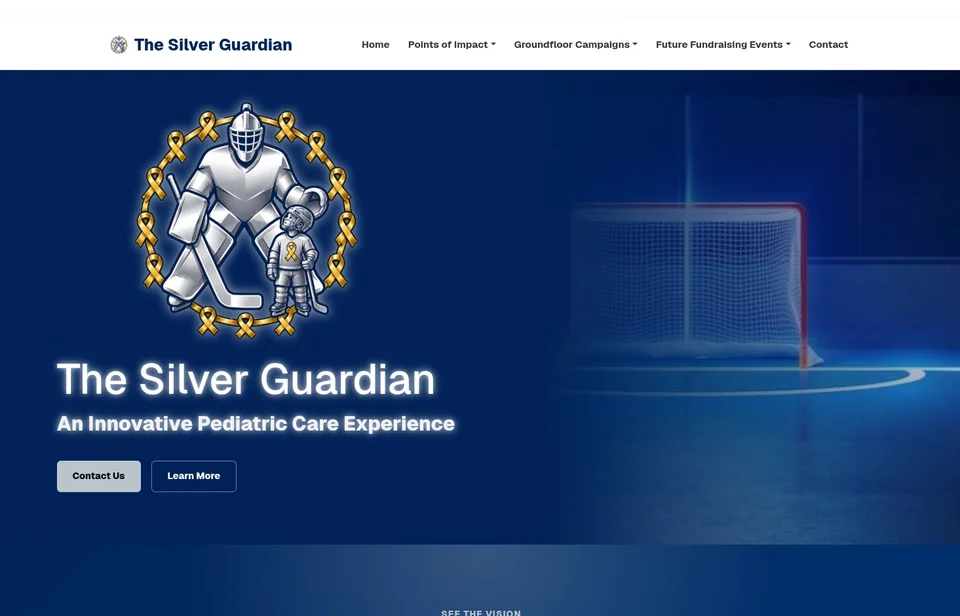
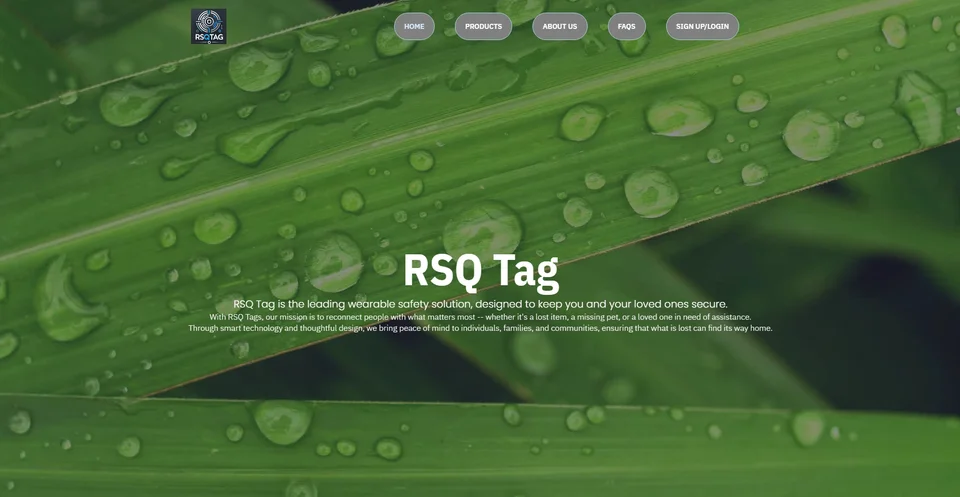
The selected screenshots on this page come from Galactic’s existing website portfolio, including The Silver Guardian, RSQ Tag, Salt Lake City Diamonds, and Utah Roaster Pigs. They show different approaches to presentation and content hierarchy. They are not described as Bellevue projects.
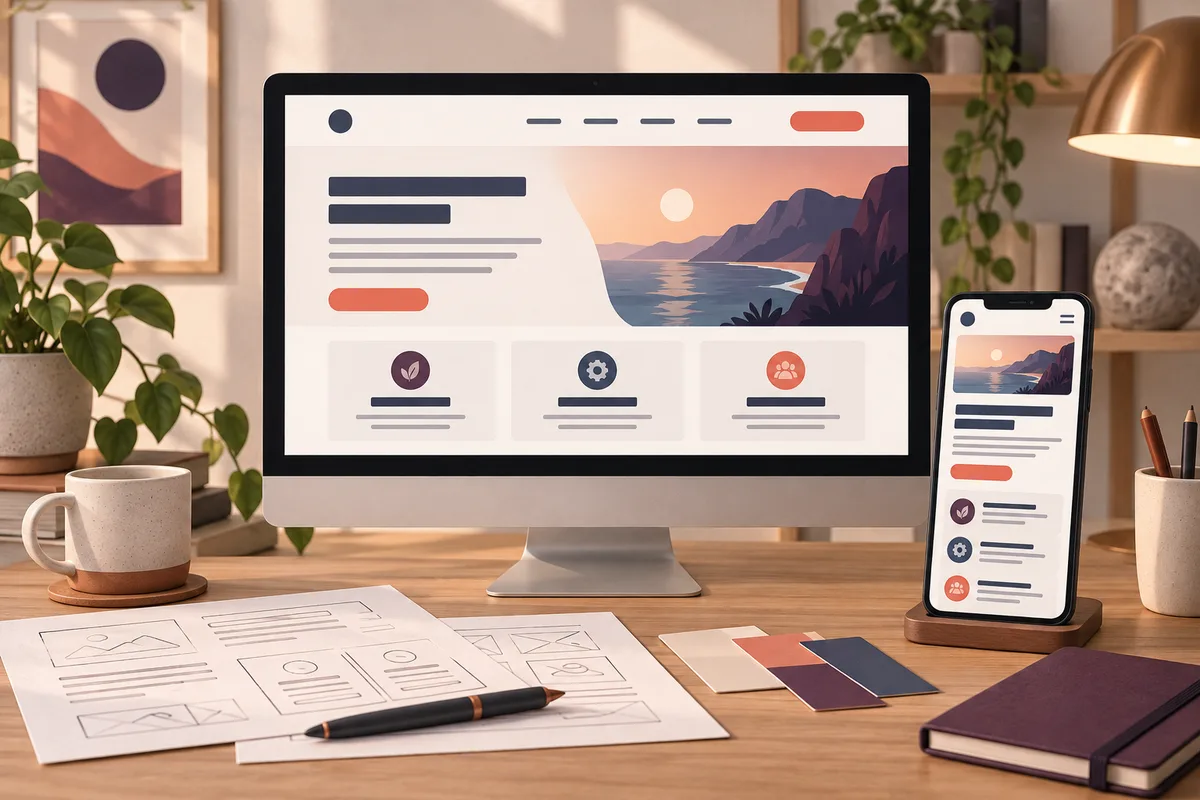
The responsive web design illustration is an AI-generated concept showing desktop and mobile layouts, wireframes, and color planning. It is separate from the client portfolio examples and does not represent a completed customer project.
A screenshot gives you a visual reference, but it cannot establish form behavior, editing access, or business results. Use the examples to discuss design direction, then ask specific questions about the implementation proposed for your own site. The scope and review process should make those responsibilities visible.
Galactic began as Galactic Web Solutions in 2015 and expanded into related design services. Explore the portfolio and studio background to understand that mix. A useful developer conversation connects the visible work with the practical needs of the business operating it.

Make local relevance more precise than a city label
The city’s district overview describes downtown commerce, BelRed’s creative setting, and Crossroads’ retail and community services. A website should reflect the audience your particular business serves within that wider mix.
For a business accepting appointments, location and visit expectations may be central. For a specialist working with clients remotely, engagement requirements may matter more. Describe the real service model and keep important information in readable page content rather than only inside images or downloadable documents.
Our Redmond web development and Kirkland web development pages cover nearby Eastside areas. The Bellevue services overview connects web work with identity and graphic design when your project involves a broader update.
Bellevue web development questions
Can you help organize several related services?
Yes. Start by explaining how customers choose between them. The website can use clear categories, service pages, and practical distinctions so visitors understand the options without needing to know your internal terminology.
Should we keep our current website platform?
That depends on its condition, capabilities, and the work required. Review editing needs and integrations before deciding. A targeted improvement may be sufficient, while other goals may justify a different implementation.
Who needs to supply the content?
Content responsibilities should be agreed in the scope. Your team needs to verify service details and business claims, even when writing help is included. Gather existing material and identify the person who can approve it.
What affects the development budget and timeline?
Custom functionality, integrations, content readiness, migration, and review turnaround all matter. A clear brief allows those factors to be estimated. Share fixed deadlines and discuss whether any features can be phased.
What happens when we need changes after launch?
Agree on routine editing, maintenance, and additional development separately. The handoff should identify your access and responsibilities, while any ongoing support arrangement should explain what work it includes.
Make the next decision easier
Build a website that helps people understand your expertise.
Your Bellevue business has something specific to offer. Bring the services, questions, and workflows that matter, and let’s shape a website that presents them clearly and supports the next conversation.
Discuss your Bellevue website