

A useful site distinguishes location from service availability
Bonney Lake’s SR 410 commercial corridor is identified in the city’s Centers Plan. A business associated with that corridor may receive a different kind of inquiry from one that travels to homes or works remotely. Your website should make its operating model explicit instead of relying on the city name to explain how customers receive service.
Someone planning a visit needs accurate location and appointment information. Someone requesting work needs scope and eligibility details. A person checking a product needs to know whether the website supports purchasing or simply provides an introduction. These are different tasks, and the page structure should make the appropriate path easy to find.
Galactic develops Bonney Lake websites around those tasks. We first clarify the intended action and the process behind it, then organize content and functionality to support that process. A dependable website does more than present a business attractively; it helps the visitor form an accurate expectation.
Choose the action before designing the form
The words on a button should describe what actually happens. ‘Request an appointment’ is appropriate when the team must confirm availability. ‘Book an appointment’ suggests that a time is reserved. A quote request and a purchase also represent different commitments. Clarifying the language early helps prevent the interface from promising more than the operation can provide.
For a hypothetical Bonney Lake service company, an initial form could ask for the type of work, general area, and preferred next step. The owner can then determine whether a conversation or visit is needed. Asking for extensive technical information before that assessment may make the form harder to complete without improving the response.
Map the receiving workflow as carefully as the page itself. Identify who reads submissions, which account receives them, and what the confirmation message should say. A form is only useful if it reaches a person or process capable of taking the next step.

Put visit details and coverage in the right places
An accurate visit page should use business-approved directions and explain any appointment requirement. A service-area description should explain where work is available and how to ask about an uncertain address. Those pages may link to each other, but they should not imply that every area served contains a physical branch.
The city lists Allan Yorke Park at the south end of Lake Tapps, providing one recognizable geographic reference. For your own site, a nearby landmark can help orient visitors only when it is relevant and accurate. It should not substitute for precise business information or imply permission to use parking, shoreline, or facilities belonging to others.
Prepare descriptions of the actual services, common exclusions, required customer preparation, and the factors that affect an estimate. If exact prices are not published, explain why an assessment is needed. Answering those questions can make the first conversation more productive without committing to unsupported prices or response times.

Design the page around the sequence of decisions
Galactic organizes the information so a visitor can identify the offer, judge fit, and act. Separate pages are helpful when services have meaningfully different audiences or processes. Closely related options may be clearer together with a comparison. The structure should follow the customer’s questions rather than an arbitrary page total.
Development also considers phone layouts, readable text, images, labels, and keyboard use. Important instructions should remain available in normal page content. A promotional image can support the message, but the customer should not need to enlarge it to understand eligibility or the next step.
For an existing site, review useful content, established URLs, and connected services before rebuilding. A migration plan should account for changed destinations and retained functions. A refreshed visual design is more valuable when customers can still reach the information they expected from existing links.

Include content and integrations in the estimate
The work behind a website depends on page types, writing, forms, existing systems, and the amount of content being moved. Connecting a booking tool is different from designing a simple inquiry page. Describe the required behavior before comparing proposals so each estimate addresses the same need.
Discuss recurring services and account ownership. The business should know who controls the domain, hosting, and external tools, and which costs continue after launch. Identify the edits the owner expects to make regularly so the editing workflow can be considered during planning rather than added as an afterthought.
Timing depends on access and approvals as well as development. Gather business facts and images early, select a final reviewer, and distinguish essential functions from future options. A complete, focused first release often provides a better basis for learning than a large collection of partially defined features.
Verify the entire interaction before launch
Discovery documents the audience, actions, and existing systems. Content planning establishes the page relationships, followed by design and implementation. Review the purpose of each stage: completeness in the outline, hierarchy in the design, and actual behavior in the built site. That keeps feedback specific and avoids revisiting settled decisions without a reason.
Test submissions through to the receiving workflow, including missing information and error feedback. Check navigation, responsive layouts, and keyboard access. Review metadata, canonical URLs, and indexing settings for the intended environment. Confirm that the site’s messages accurately describe what the business will do next.
At handoff, establish how ordinary updates and technical issues will be handled. Services, staff responsibilities, and external tools can change. A maintenance plan should identify who notices those changes and who updates the site so the information remains dependable after launch.
Evaluate function as well as appearance
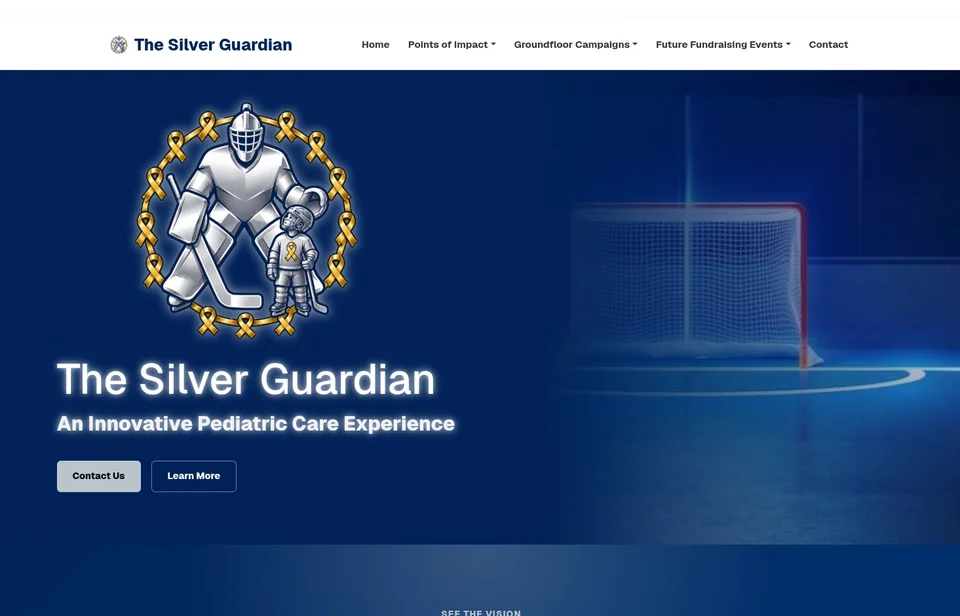
Our website portfolio offers completed examples of information hierarchy and visual presentation. The work shown here is not Bonney Lake client work. Use it to discuss useful approaches, then test those ideas against your own content and customer actions. A similar visual style does not mean two businesses need the same functionality.
A clearer site can support relevant inquiries and help customers assess credibility. It cannot guarantee rankings, lead volume, or sales. After launch, review the questions people still ask and whether submissions give the team enough information to respond. Those observations can guide focused revisions.
Bonney Lake graphic design can align printed instructions with the website, while logo design can resolve identity inconsistencies. Puyallup and Auburn pages provide related service information when the project genuinely includes a broader regional audience.
Questions about web development in Bonney Lake
Can we keep our current booking tool?
Review its capabilities, access, and fit with the intended workflow. Retaining a useful tool may be practical, but the website still needs to explain its behavior accurately.
Do we need separate pages for every service area?
Only when they provide distinct, useful information. A clear coverage explanation may serve customers better than many pages repeating the same offer.
Can the owner update service details?
Define the desired editing tasks before selecting the implementation. Discuss access, guidance, and any limits so routine changes do not depend on guesswork.
Who supplies the website copy?
Agree on drafting and review responsibilities in the scope. The business must approve its operating facts, even when content organization or writing is included.
What should a launch review include?
Check content, links, customer actions, receiving workflows, responsive layouts, access, and publication settings against agreed requirements. Visual approval alone is not a complete launch check.
Related services and nearby areas
Bonney Lake web & design services · Bonney Lake graphic design · Bonney Lake logo design · Puyallup services · Auburn services · Galactic portfolio
Plan your next step
Put clearer communication to work.
Make every click lead to an understandable next step. Share your existing site and the visit, booking, or inquiry process it needs to support.
Discuss your Bonney Lake project