
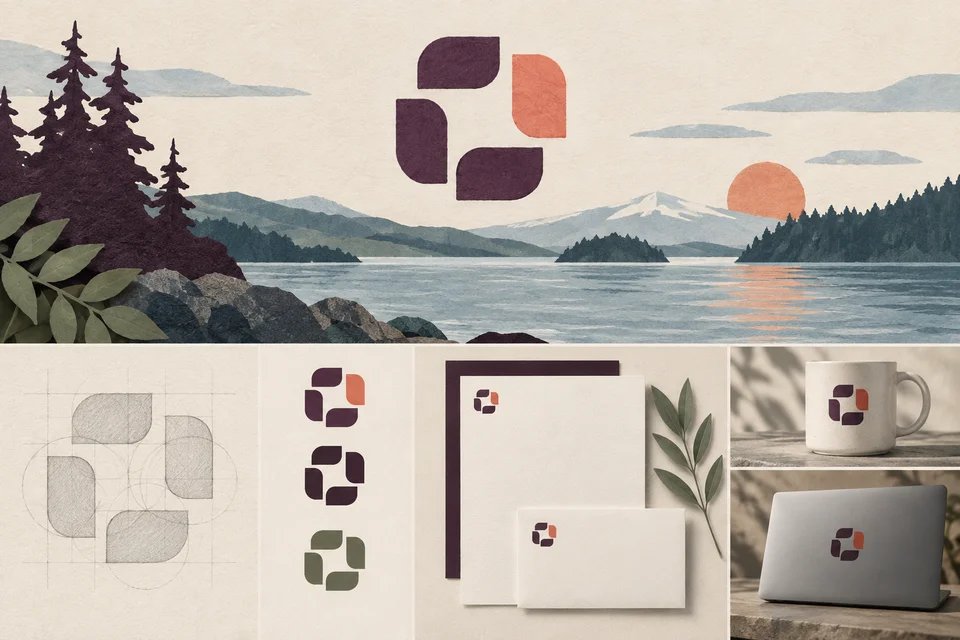
Give the business a recognizable identity through change
Starting a business and changing an established business raise different identity questions. A new name needs a clear visual introduction. An existing name may need better files, a more flexible mark, or a considered redesign. The useful first step is understanding which problem the logo should solve.
DuPont’s museum documents the city’s company-town history and the later Northwest Landing community. That mix of established identity and subsequent development offers context for discussing continuity. It does not mean a business should borrow a civic symbol, copy a historical aesthetic, or imply a relationship with the corporate DuPont name.
Galactic Digital Studios approaches logo design for DuPont businesses through the organization’s own story, audience, and practical applications. The goal is a mark people can recognize and a system the team can use consistently as the business develops.
Decide how much of the current identity should carry forward
If a logo already exists, identify its strengths before discussing replacement. Customers may recognize the name, a distinctive shape, or a particular color relationship. A technical cleanup can address poor files without changing those recognizable features. A broader repositioning may call for a different scope.
Separate personal preferences from business requirements. Disliking a color is different from finding that a mark disappears on small labels. Collect examples of actual failures and useful existing applications so the brief reflects evidence from use rather than taste alone.
For a new business, confirm the name and intended positioning before exploring symbols. Naming decisions can change proportions, emphasis, and the entire direction. If the name remains provisional, make the resulting revision risk explicit in the schedule and scope.

Write a brief that can guide a decision
Describe the business in concrete terms: what it does, whom it serves, and what customers should understand at first contact. Choose a few meaningful qualities and explain their significance. A list of broad adjectives rarely provides enough direction to evaluate a concept.
Gather the applications the logo must support. A website header, printed estimate, vehicle panel, embroidered item, and small profile image each impose different limits. Prioritize real uses instead of building an elaborate collection of mockups that the business does not expect to need.
Review the surrounding visual category to understand common conventions and avoid accidental similarity. This creative review helps establish direction but is not legal clearance. Any required name or trademark review should be handled through an appropriate separate process before a major rollout.
Explore a visual idea that belongs to the business
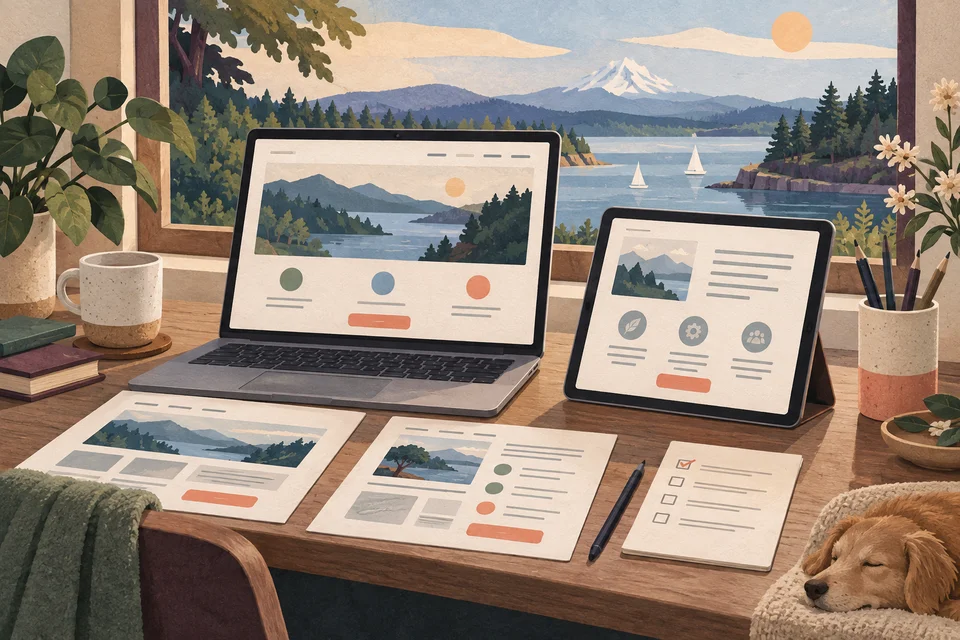
A local business does not need a tree, mountain, or map outline to communicate credibility. Geographic imagery may be appropriate when it supports the actual story, but it should be a deliberate choice. Distinctive lettering, proportion, or a simple abstract form may serve the brief better.
Concept presentations should connect design choices to the agreed requirements. Explain how the arrangement handles the name, what makes the silhouette recognizable, and how it behaves at a small size. Mockups can provide context, but the plain mark must work without the atmosphere of a presentation.
Keep feedback focused on the brief. Ask which direction communicates the right qualities and meets the practical requirements. Combining favorite fragments from unrelated concepts can weaken the underlying idea; refinements should preserve a coherent reason for the design.
Discuss a DuPont identity that supports your next chapter and everyday applications.
Test the selected direction in ordinary conditions
Move the strongest concept into refinement and test it across the priority applications. Check compact and wide spaces, light and dark backgrounds, and a single-color version. Small type or delicate details may need adjustment before the identity is dependable in routine use.
When an outside supplier will produce signage, stitching, or specialty printing, confirm its requirements before finalizing those files. A general logo package does not automatically cover every manufacturing constraint. Specific adaptations or supplier coordination should be planned where needed.
Use one consolidated approval path for final decisions. Record the selected arrangement, colors, and required versions so later changes are deliberate. The number of directions and revision rounds should be clear before work begins, along with any dependencies on other project contributors.

Plan the handoff and the transition together
Deliverables should match the uses agreed in the brief. Vector files support scaling and production, while appropriate raster exports help with everyday digital use. The team should know which version belongs on a dark background and which file is suitable for a supplier.
A concise guide can explain spacing, minimum sizes, colors, and common mistakes to avoid. Identify font licensing responsibilities and any related typography decisions. Confirm source files, usage terms, and additional brand assets in the agreement rather than assuming every identity component is included.
For an established business, make a rollout inventory. Website headers, social profiles, proposals, signs, and internal templates may update on different schedules. Decide which changes must happen together and whether a temporary explanatory message will help customers recognize the updated business.

Judge the system by its repeatable use
A logo succeeds as part of repeated, consistent communication. Review it in the forms the business will actually publish, then assess whether staff can select the right files without guesswork. A compelling presentation is useful only when the working assets remain clear outside it.
The concept studies shown on this page are illustrative, and the selected portfolio pieces represent broader studio work. They are not evidence of DuPont clients or promised results. Use them to discuss design reasoning, practical versatility, and the kind of handoff your project needs.
Logo Design questions for DuPont businesses
Does an established business always need a complete redesign?
No. Better source files, adjusted spacing, or additional variations may address the problem. Review current recognition and actual application issues first, then choose between refinement and a broader identity project.
Can the logo reflect DuPont without using a landmark?
Yes. The business’s own positioning can guide the identity, with local context informing the conversation where relevant. A geographic symbol is optional and should not imply civic, corporate, or other affiliation.
Should naming be complete before logo design?
A settled name makes the work more reliable because length, spelling, and emphasis affect the design. If naming is still underway, identify it as a dependency and agree on how a later name change would affect the scope.
What variations might be included?
The scope may include primary and compact arrangements, one-color versions, and exports for the agreed applications. The exact package depends on the project. Supplier-specific adaptations and broader brand guidelines should be discussed separately when needed.
How should we introduce an updated logo?
Inventory the places the current identity appears and prioritize coordinated updates. Preserve clear naming and customer information through the transition. An announcement may help explain a meaningful business change, but the rollout should match the actual situation.
Explore related services and nearby areas
DuPont web and design services · DuPont web development · DuPont graphic design · Lakewood services · Tacoma services · Galactic portfolio
Plan your next step
Build an identity your team can use with confidence
Bring your business name, current materials, and the uses that matter most. We can determine whether to refine an existing mark or develop a new direction, with a practical plan for files, guidance, and rollout.
Discuss your DuPont project