
Give the business its own recognizable identity
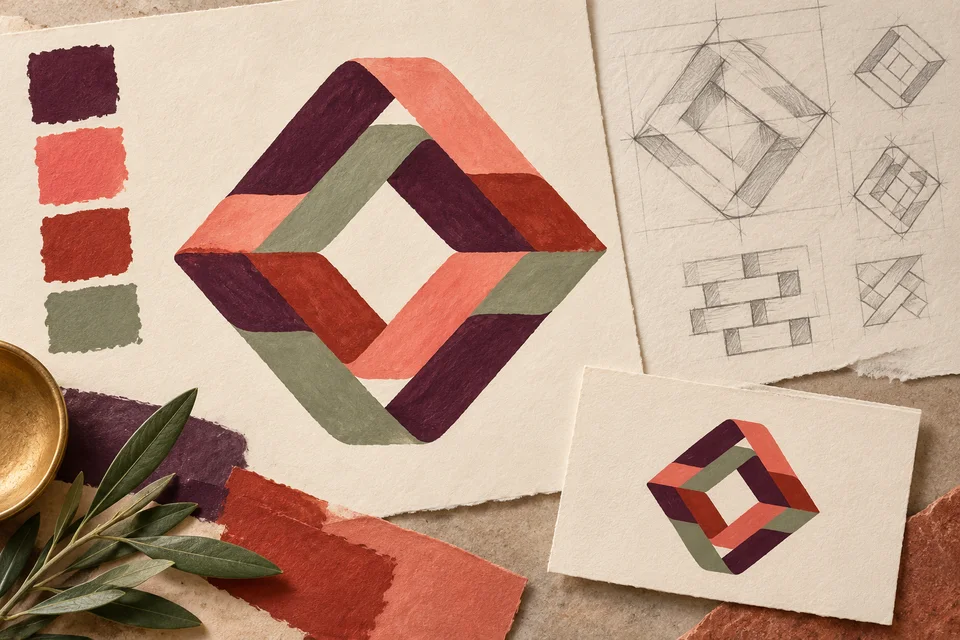
Logo design for a St. Louis business should express the company people are choosing, not simply the city where it operates. Galactic Digital Studios develops identity directions around audience, character, and practical use. A strong mark should help someone recognize the same business on a website, a proposal, and everyday materials.
St. Louis has a varied neighborhood landscape, as reflected in the city's official community directory. That variety is a useful reminder that one visual formula cannot represent every local business. A neighborhood connection can inform the brief, but the identity also needs to make sense to customers who encounter it without that context.
Familiar civic imagery may be tempting, yet a logo does not need an arch or a regional symbol to feel relevant. Typography, proportion, and an original abstract idea can communicate the business more directly. The goal is a recognizable identity that fits your offer and can remain useful as the company develops.
Separate a change in the business from a change in taste
A logo project benefits from a specific reason. The company may have a new audience, a clearer specialty, or a name that needs better presentation. Alternatively, the current identity may still be appropriate but fail in small applications or exist only as a poor-quality image. These situations call for different scopes.
Review the elements customers already recognize. A color, letterform, or arrangement may carry useful continuity even when other parts need work. Replacing everything can create unnecessary transition costs. Identify what supports recognition and what creates confusion before choosing between refinement and a new direction.
For a St. Louis business extending beyond its original neighborhood, consider whether the existing mark depends on a reference outsiders will not understand. That does not automatically make it unsuitable. It means the design should be evaluated against the broader audience and the way the business now introduces itself.

Make the identity work without a presentation mockup
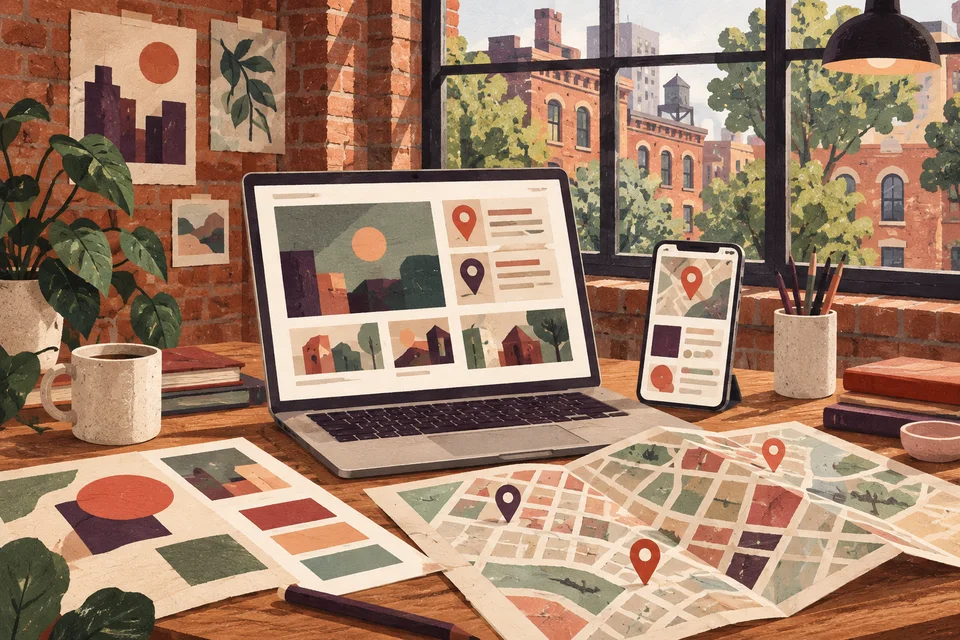
The plain logo needs to function before it appears on an attractive scene. Check the business name at the smallest important size and review the relationship between text and symbol. Fine detail that looks appealing on a large screen can disappear in a compact header or ordinary office printout.
Discuss the arrangements needed for real applications. A horizontal layout may work well on a website, while a compact version may suit a profile image or label. Color and one-color versions should remain recognizably related. The goal is a usable family of assets rather than a collection of loosely connected designs.
A hypothetical business using both printed proposals and supplier-produced items may need different file formats and production treatments. That is an application example, not a claimed St. Louis engagement. The appropriate tests and deliverables should follow your actual uses, including the limitations of any supplier involved.
Translate the business brief into visual decisions
Our approach begins with the offer, audience, desired impression, and essential applications. References can help discuss qualities such as warmth, clarity, or precision, but they should not become a request to imitate another brand. A useful brief explains what the identity needs to communicate and where it must work.
Creative directions can then be evaluated through that shared purpose. Ask whether the name reads easily, whether the impression fits the service, and whether the result is distinct enough from familiar alternatives. Feedback becomes more productive when it identifies a business concern rather than prescribing an isolated shape or color change.
Local character can enter through a subtle rhythm or material reference. The conceptual studies shown here explore interwoven forms and brick-like structure without presenting a finished client identity. Your final direction should emerge from your own brief and should not suggest civic, sports, institutional, or neighborhood-organization affiliation that does not exist.
Let’s plan logo design around your St. Louis customers’ next decision.
Refine the chosen direction through consistent review
A logo project can progress from discovery to creative directions, selection, refinement, and final delivery. Establish the decision-maker and review expectations early. If several owners contribute, gather their comments into one response so the next revision addresses a coherent set of priorities.
Refinement should include spacing, proportions, color behavior, and relationships between arrangements. Test the mark at realistic sizes on plain backgrounds as well as in selected applications. The purpose of a mockup is to help evaluate use, not to distract from weak artwork with dramatic lighting or texture.
Before delivery, verify the approved spelling and final versions. Discuss how staff and suppliers will identify the correct file. Clear naming and proportionate usage guidance can help prevent stretching, inconsistent colors, and low-resolution substitutions. The handoff should make the identity easier to apply in everyday work.

Define the files and the transition before production
Cost depends on the depth of exploration, complexity of the identity, variations, and supporting guidance. A focused logo project differs from a full brand rollout with stationery, templates, signage, and a new website. List immediate applications and later priorities so the proposal describes the work you actually need.
Confirm vector and raster formats, source-file delivery, and usage terms in the agreement. Fonts or other licensed components may have separate requirements. Naming and trademark clearance are distinct from creative review; unresolved naming decisions should be addressed before investing in final artwork or ordering physical materials.
Plan the transition across customer touchpoints. Digital assets may be quick to replace, while printed stock and supplier-produced items can take longer. A staged rollout can preserve recognition when it is deliberate. Make sure staff know which assets are approved and how the new system relates to the familiar identity customers have already seen.

Look for clarity across several applications
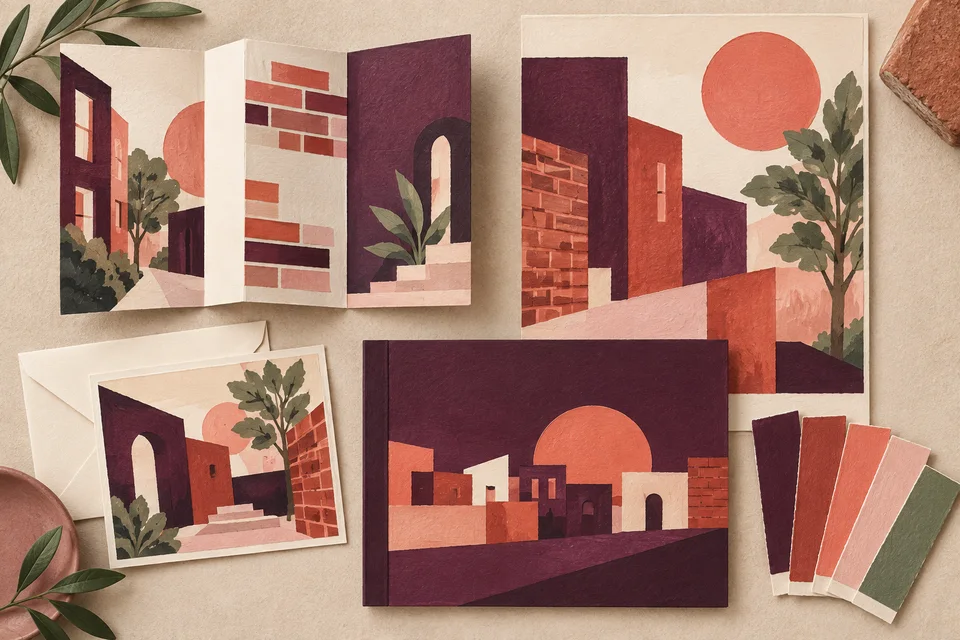
Galactic's portfolio offers existing work to discuss when assessing identity craft and fit. Examine legibility, proportion, and how an identity carries through different materials. The examples on this page come from broader studio work and are not represented as St. Louis client projects.
For your own direction, ask for reasoning tied to the brief and evidence from realistic application tests. A logo can support recognition and credibility, but trust also depends on service, communication, and consistent use. No artwork can guarantee sales or replace the experience customers have with the business behind it.
Questions about logo design in St. Louis
Does a St. Louis business logo need the Gateway Arch?
No. A local symbol is useful only when it supports the business and audience. An original typographic or abstract direction may offer stronger distinction. The identity should represent the company rather than rely entirely on a familiar city reference.
Can we preserve part of our existing identity?
Yes. Identify which elements customers recognize and which cause practical problems. Refinement can retain continuity while improving legibility or application. A complete redesign should have a clearer purpose than simply making the artwork look different.
What files should we request?
Discuss scalable artwork, screen-ready images, needed arrangements, and color variations. Confirm source files and usage terms explicitly. A practical delivery set should let staff and suppliers use the identity without reconstructing it from a preview image.
How can several stakeholders choose a direction?
Agree on the brief and decision process first. Review concepts against audience, readability, and actual applications, then consolidate feedback. That gives the project a useful basis for resolving preferences and moving toward approval.
Does logo design include a complete marketing package?
Only if those applications are included in scope. The logo provides identity assets, while a brochure, website, or presentation also needs its own content and layout decisions. Plan the related work before scheduling the rollout.
Connect the next part of your project
St. Louis web & design services · St. Louis web development · St. Louis graphic design · Explore the Galactic portfolio · Browse all service areas
Plan your next step
Give your business a useful next step
Bring your business name, current identity, and the applications that matter most. We can shape a St. Louis logo project around distinctive character and reliable everyday use.
Discuss your St. Louis project