
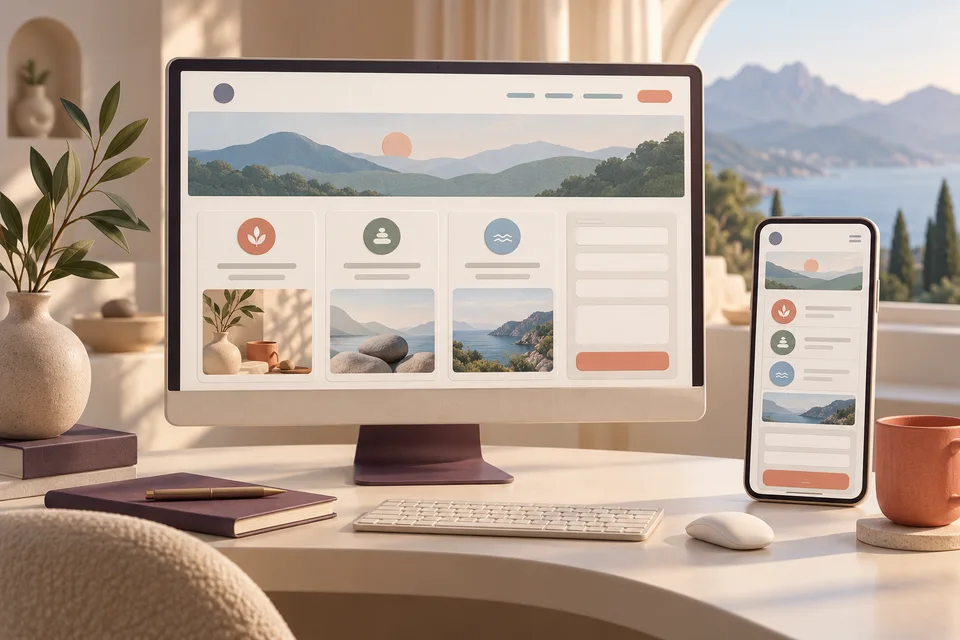
Make the website useful before the first conversation
Galactic Digital Studios provides web development for businesses serving American Fork, Utah. We plan websites around the questions that stand between a visitor’s interest and a useful conversation. Customers should be able to understand the offer, judge whether it fits their situation, and find an appropriate next step without piecing together scattered information.
American Fork’s city overview identifies retail activity and a location along Interstate 15. A website may therefore need to orient someone who knows your business well and someone unfamiliar with the area. We use your actual customer mix to decide what to explain, rather than assuming every visitor shares the same local knowledge or reason for visiting.
Give different intentions a clear place to begin
A person researching a future project needs different information from someone trying to prepare for an appointment. Put the main service choices near the beginning, with plain descriptions of who each option serves. Use navigation labels that reflect customer language instead of internal departments or clever phrases that require interpretation.
For a hypothetical specialty retailer, a visitor may need to distinguish in-store advice from a request about an item. For a service business, the choice might be between ongoing support and a one-time project. These examples illustrate content decisions; they are not claims about existing local clients.
The goal is a small number of meaningful paths. Creating a page for every minor variation can make the site harder to maintain. Combine closely related information when customers can compare it easily, and separate services when the questions, evidence, or next steps differ substantially.

Write service pages that support a considered inquiry
A strong service page explains the work, the intended customer, and the boundaries of the offer. Describe common starting situations and what information you need to assess a request. If availability, pricing, or suitability requires a discussion, say so clearly rather than leaving a visitor to interpret an ambiguous button.
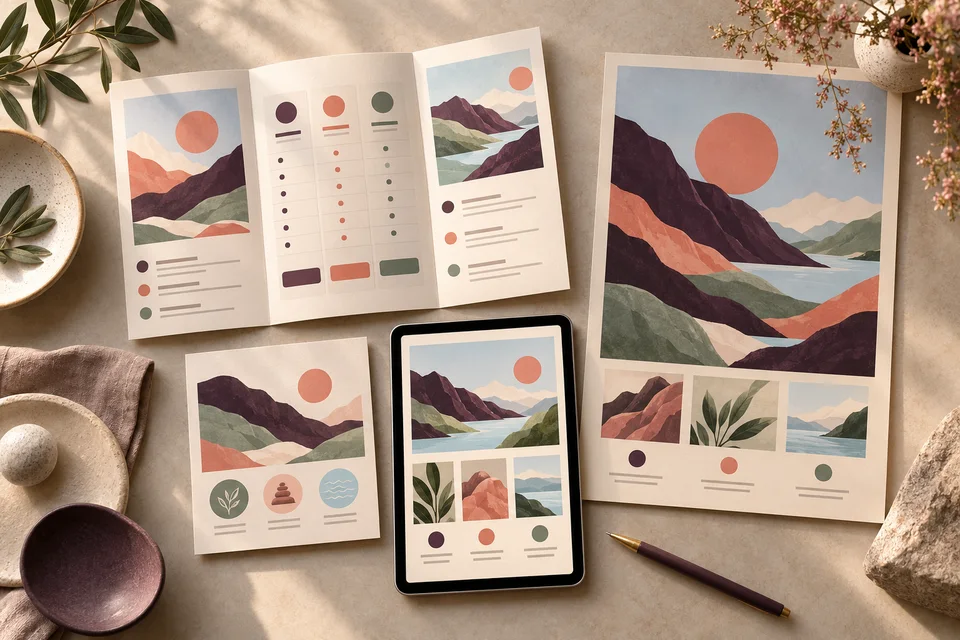
Use examples that are accurate and appropriately labeled. Real project images can help explain the work, while a conceptual illustration can show an idea. Neither should be presented as proof of an outcome it does not demonstrate. Supporting captions help preserve that distinction.
Visiting details deserve their own attention. State whether customers need an appointment and link to current directions where appropriate. A service area is different from a customer-facing address. If you serve beyond American Fork, explain the actual coverage and any project-dependent limits rather than implying multiple offices.
Connect the page structure to a workable form
Our development approach joins content planning with the action at the end of the page. An inquiry form should request enough information to help your team respond, while leaving detailed discovery for the appropriate stage. A service choice, short project description, and preferred follow-up information may be more useful than a long form full of questions no one has explained.
Decide what happens after submission. The visitor should receive a clear status message, and the team should know where the request arrives and who handles it. A submitted inquiry should not look like a confirmed appointment unless the system actually books one.
We also consider smaller screens, readable text, keyboard navigation, visible form labels, and useful error messages. These are practical ways to reduce avoidable friction. A technically functioning form is only one part of an inquiry process that customers can understand.

Let’s plan an American Fork website around the questions your customers need answered.
Define the website you are actually commissioning
Scope should name the page types, content work, forms, and integrations required. Ask what is included in moving existing content and whether old URLs need redirects. If booking, payments, account access, or a catalog are important, discuss those requirements early; they change the project substantially and should not be assumed from a standard website description.
Budget follows complexity and content readiness, not just page count. Ten pages with a shared structure can be different work from three pages with custom workflows. Photography, writing, data cleanup, and stakeholder review can affect the schedule as much as development.
Confirm arrangements for the domain, hosting, software access, updates, and ongoing maintenance. Specify who will be able to change content and what training or handoff is included. These decisions protect the usefulness of the website after the initial launch work is complete.
Review the customer journey before launch
Discovery begins with your current site, service information, and recurring questions. We identify priority journeys, such as understanding an offer, preparing for a visit, or describing a potential project. A content outline makes the proposed structure reviewable before visual work becomes detailed.
The design and development stage applies real content to responsive layouts. Review on a phone as well as a larger screen. Look for meaningful headings, clear calls to action, and images that explain something relevant. Consolidated feedback helps keep revisions tied to the agreed purpose.
Before launch, check forms, links, key content, page metadata, redirects where applicable, and the agreed browsing interactions. Confirm where submissions arrive. After release, assign someone to keep service details current and report issues. Launch is a handoff into ordinary business use, so that responsibility should be settled in advance.
Use evidence to decide what needs attention next
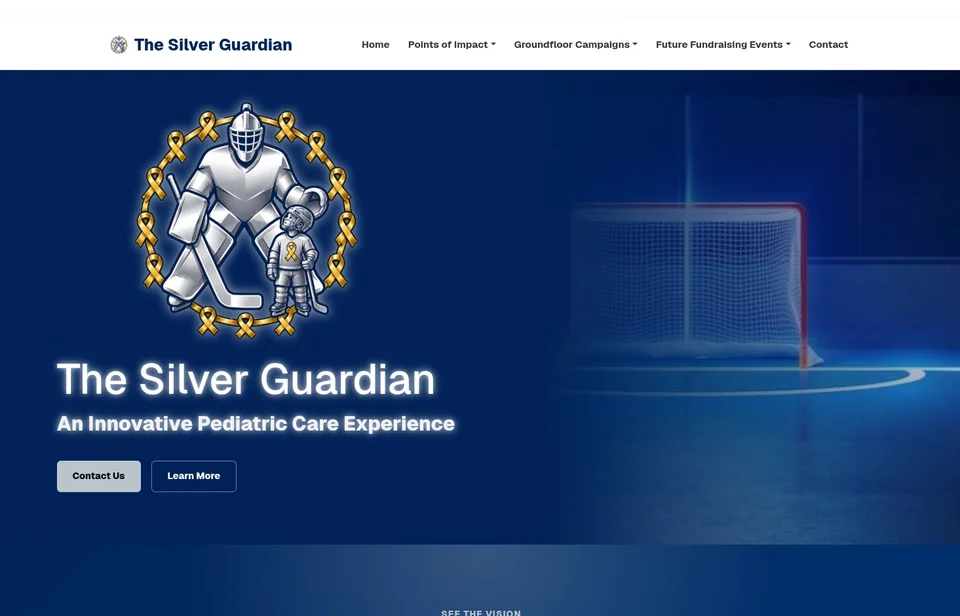
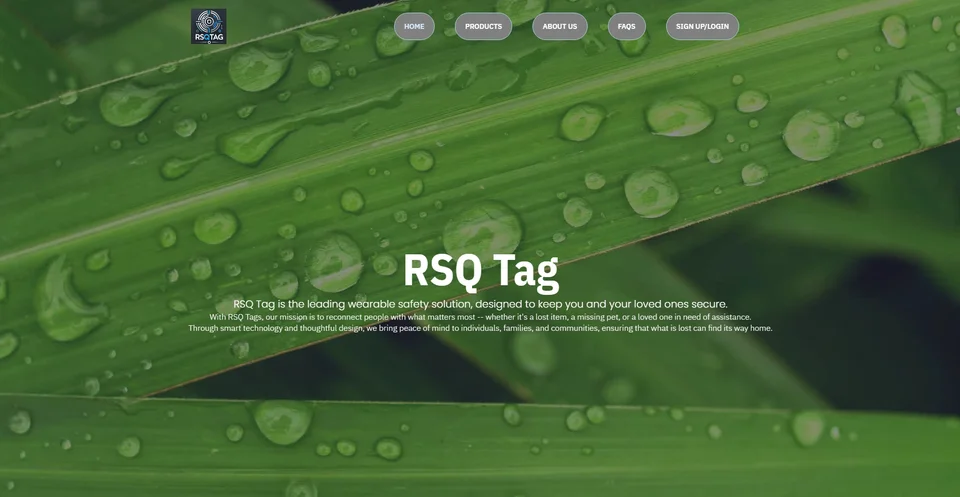
Explore our website portfolio and ask about information hierarchy and customer paths, not only visual style. The selected examples here are not presented as American Fork client projects. A useful comparison looks at whether the website makes a complicated offer understandable and whether the next step follows naturally.
Search visibility can benefit from accurate, accessible content, but a website cannot guarantee rankings, AI citations, or lead volume. Evaluate practical signals such as successful form submissions and the relevance of inquiries, with appropriate analytics and privacy choices. Account for changes in advertising, seasonality, and the offer itself before attributing outcomes to a redesign.
If your pages need a clearer identity or supporting handout, coordinate with logo design or graphic design. The American Fork service overview explains how those pieces can be planned together.
American Fork web development questions
Can we improve the existing site instead of replacing it?
Often the right starting point is an assessment of the current content, platform, and customer paths. A focused improvement may be enough when the foundation works. A rebuild makes more sense when structural limitations prevent the needed changes.
Will we be able to edit the website?
Discuss the specific updates your team needs to make before choosing the implementation. Editing access, permissions, instructions, and maintenance arrangements belong in the agreed scope; they should not be left to assumptions at delivery.
Do we need a separate page for every nearby city?
Use separate pages only when you have useful information that reflects real service differences or customer needs. Accurate coverage on a strong service page is more helpful than many nearly identical introductions with different place names.
Can an inquiry form include project details?
Yes, the planned form can request useful details, but choose fields deliberately. Explain unfamiliar questions and avoid collecting sensitive information that is unnecessary for an initial conversation. Confirm handling and notification requirements during scoping.
What helps keep the schedule on track?
Ready service information, usable images, one coordinated feedback process, and timely approvals reduce uncertainty. Identify any dependencies on third parties or existing software before settling a launch target.
A practical next step
Build an American Fork website that helps the right visitor take a well-informed next step.
Bring your current materials, the questions you want to resolve, and the priorities for your next project. We can use that context to define a focused scope and a sensible sequence for the work.
Discuss your American Fork project