
Match the format to the person reading it
Lindon's general plan describes commercial and industrial activity alongside neighborhood needs. A one-page capability sheet for a business buyer and a preparation card for a resident are different design tasks. The reader, setting, and decision should shape the format.
A hypothetical supplier may need a concise summary of standard and custom capabilities. A hypothetical service team may need a checklist of what happens before an appointment. A hypothetical retailer may need a comparison that helps someone choose. These are examples, not Lindon client work.
Galactic Digital Studios develops graphic materials that make the offer easier to understand across print and digital use. The piece should help someone take a real next step, not merely fill space.
Choose one clear job for the first piece
A capabilities sheet can establish fit. A comparison can clarify options. A preparation guide can reduce uncertainty. A presentation can organize evidence for a longer decision. Trying to fit all of these jobs into one page often hides the most useful fact.
Ask what the reader needs to know and what they should do afterward. If specifications or availability change, point to a maintained Lindon website for current detail. A printed piece should not make a promise the business cannot keep updated.
Hierarchy matters: important qualifications belong near the claim they modify, not in tiny text. Readable type, contrast, and spacing should make the information usable at the intended size.
Bring accurate content and production constraints
Provide the audience, use setting, dimensions, deadline, approved copy, brand files, and vendor requirements. Identify who can confirm specifications, prices, policies, and usage rights. That source material lets design respond to real constraints.
A proposal should name deliverables, review stages, editable files, and whether printing, copy work, or size adaptations are included. A digital image and a press-ready document need different preparation. Cost and timing follow those choices and the speed of factual review.
If several staff members will share the piece, define which information may be changed and where approved files live. A reusable source and a simple revision process can prevent outdated versions from circulating.
For a technical audience, decide which numbers, diagrams, or qualification statements need a source and an owner. A design can make a comparison easier to read, but it cannot establish whether a specification remains current. Ask the person responsible for that information to review the final piece and any later revision before distribution.

Make a family of materials feel coherent
We organize the message first, then use typography, spacing, color, and imagery to direct attention. The design should remain legible in its actual setting, whether it is a small handout, PDF, or projected slide. A large desktop mockup is only one review view.
Existing brand elements can guide the system when they work across formats. If the mark fails at small sizes or varies across applications, Lindon logo design may need attention first. That sequence should follow the scope, not a default package.
Consistent materials can support recognition and credibility. They cannot guarantee purchases. Distribution, offer quality, price, and follow-up also matter; design improves the clarity of what people receive.

Let’s make one important Lindon capability or service explanation easier to use.
Prepare for both technical and everyday use
A detailed capabilities sheet may need an accessible PDF and a print version. A presentation may need editable diagrams. A social image may need accompanying text because critical words embedded only in artwork can be hard to access or update.
Test the smallest and largest uses. A table that works on a monitor may be cramped in print; a short headline can disappear on a phone. Adjust the layout for the medium instead of simply shrinking the same artwork.
Mockups help review direction but do not prove a piece was produced or installed. Final files should be checked against actual vendor and platform requirements. Keep the approved version easy for staff to find.
When a capabilities sheet will be sent by more than one employee, decide what can be customized and what should stay fixed. Names and project details may change; core qualifications and service limits must remain accurate. A simple source-of-truth process can keep a useful design from splitting into several inconsistent versions.
From brief to usable handoff
Discovery gathers source facts and identifies the reader’s task. Direction tests hierarchy and visual language. Creation builds the agreed materials. Feedback checks accuracy, readability, and next-step clarity. Delivery provides the specified formats and usage guidance.
The business confirms factual claims and rights to supplied imagery. If a piece includes changing specifications or terms, assign someone to review it before each major use.
Timing depends on the number of applications, source readiness, production requirements, and reviewers. A realistic schedule leaves room for factual and production checks.
Look at real examples for relevant choices
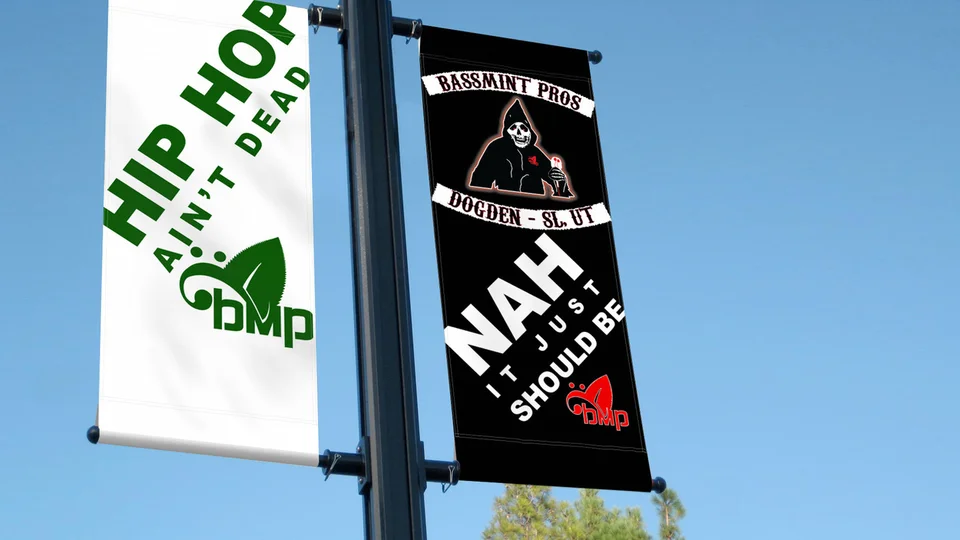
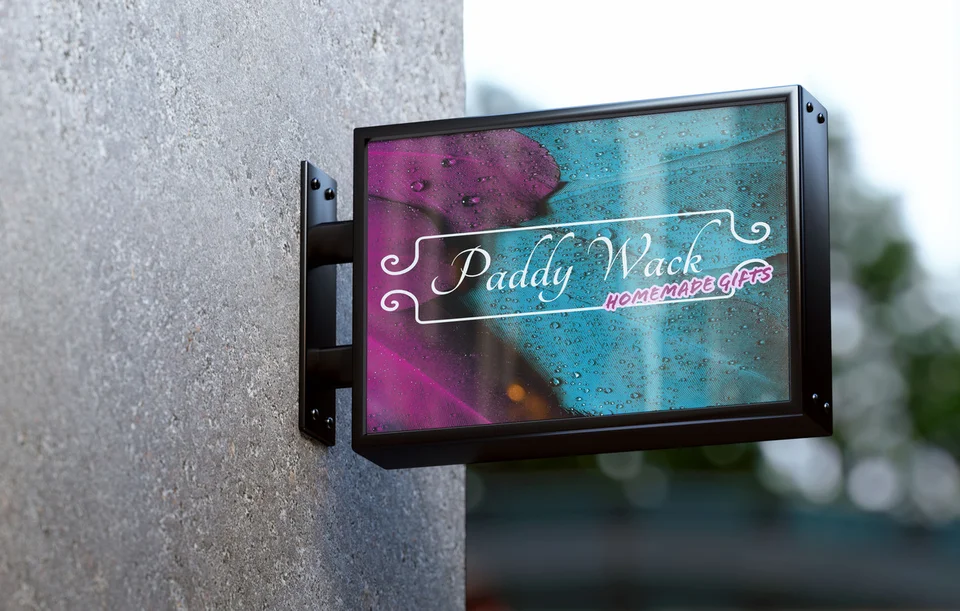
The Galactic portfolio includes Bassmint Pros and Paddy Wack Homemade Gifts graphic presentations, along with identity applications for Sooo Good Lemonade and The Silver Guardian. These are not Lindon commissions or measured sales results. Some presentations are mockups, not confirmed installations.
Ask which format and hierarchy would serve your reader. A technical sheet and a neighborhood service guide should not have the same density or next step. Our studio background adds context.
For nearby Utah context, see Lehi and Provo. Claims about your own service territory should match actual operations.

Questions about graphic design in Lindon
What should we design first?
Choose the piece that answers a recurring customer question or supports a specific sales step. Format follows use.
Can you use our current logo?
Often, after checking file quality and legibility across the planned applications.
Are print-ready files included?
That should be specified in the scope. Share vendor dimensions and requirements before final artwork.
Who approves technical claims?
The business confirms specifications, prices, policies, and service terms. Design can clarify them but cannot validate them.
Can one system work in print and digital?
Yes, but each format needs its own layout, dimensions, and accessibility checks.
Ready for a useful next step?
Give every customer-facing piece a clear purpose.
Tell us what customers need to understand and where your current materials fall short. We can discuss a focused scope for your Lindon business and the information needed to begin.
Discuss your Lindon project