

Carry a clear explanation into the documents people keep
Graphic design for a Fircrest business should help a reader understand an offer after the original conversation ends. Galactic Digital Studios develops visual communication for capabilities sheets, proposals, project summaries, and other business materials. The design should make information easier to compare and use, not simply give it a more polished cover.
Fircrest's official vision emphasizes identity, communication, and community well-being. That is civic context rather than a claim about business demand. For an individual company, the practical opportunity is to make its own communication approachable and precise, using the actual service and audience as the brief.
Imagine a hypothetical professional service sending a proposal that another decision-maker will review later. That reader needs scope, assumptions, and the next action to be understandable without a verbal explanation. A well-organized document can provide that continuity. This is a planning example, not a claim about a local Galactic engagement.
Choose a document for the decision it needs to support
A capabilities sheet explains the range of work. A proposal presents a particular engagement. A project summary records what was done or agreed. These documents answer different questions, and combining them into one dense presentation can make each task harder for the reader.
Identify who receives the material and what they need to decide. A person making an initial comparison may want a short overview. Someone reviewing an agreed direction may need more detail. The format, length, and reading sequence should follow that use instead of a predetermined page count.
Bring the documents your team already uses. Look for sections readers miss, repeated questions, and conflicting service language. A useful project might improve an existing template or establish a coordinated set from scratch. Define the problem first so the scope addresses a real communication need.

Make scope and supporting evidence easy to distinguish
A proposal becomes more useful when the reader can tell what is included, what is assumed, and what requires a decision. Consistent headings and spacing help separate those roles. Visual emphasis should reflect the importance of the information rather than the amount of space available beside an attractive image.
Supporting examples need accurate captions. Explain what a photograph or diagram demonstrates and how it relates to the proposed work. Do not imply that an illustrative concept is a completed project. Where an example comes from a different engagement, its relevance should be understandable without suggesting identical outcomes.
Keep qualifications near the statements they affect. A necessary condition buried at the end can be missed even when it is technically present. Good design can improve readability while preserving the detail a customer needs to assess the offer fairly.

Build a consistent system around real content
We review the audience, message, existing identity, and intended distribution before developing a layout. Typography, color, and image treatment can connect a capabilities sheet to a longer proposal while allowing different levels of detail. A shared system should make the materials recognizable without forcing them to be identical.
For a Fircrest business serving nearby customers and a broader area, explain coverage with the same care as the service itself. A local reference can orient a reader, but it should not imply an office, venue, or visiting arrangement that is not part of the operation. Verify those details before publishing them across formats.
Use realistic copy during design. Long service names, uneven section lengths, and necessary qualifications reveal how a layout behaves in practice. If the materials will be reused, test common variations. A template should help staff prepare accurate documents without requiring a new design solution for every ordinary change.

Let’s plan graphic design around your Fircrest customers’ next decision.
Review the reading order before production details
A project can start with a content inventory and a brief for each format. We organize the information, explore the visual direction, and refine it through focused feedback. Agree on who verifies scope and facts as well as who approves the appearance.
Ask reviewers to use the document for its intended decision. Can they find what is included? Can they distinguish an example from a commitment? Is the next step obvious? Feedback on these questions provides a stronger basis for revision than an isolated request to make an element larger or more decorative.
Before delivery, inspect the output at its intended size. Digital documents need legibility and link checks; print materials need supplier specifications and proof review. Confirm production responsibilities in advance. A print-ready file, an editable template, and a completed print order are separate deliverables and should be described accordingly.

Plan reusable files and editing responsibilities
Budget depends on original layouts, content development, image preparation, and adaptations. A short introduction sheet and a multi-page proposal may share an identity but require different structures. List the intended formats so the proposal can account for the work needed to make each useful.
If staff will edit the materials, specify the software and expected changes. Discuss editable source files, font and image licensing, and the guidance needed for consistent use. A template should match the editor's actual workflow rather than assume access to unfamiliar tools or advanced design skills.
Establish a simple version process after delivery. Keep approved files together, identify who can change them, and retire outdated copies. Reusable layouts reduce repeated production work, but someone still needs to verify the information before a proposal or summary is sent to a customer.
Evaluate clarity across the whole document
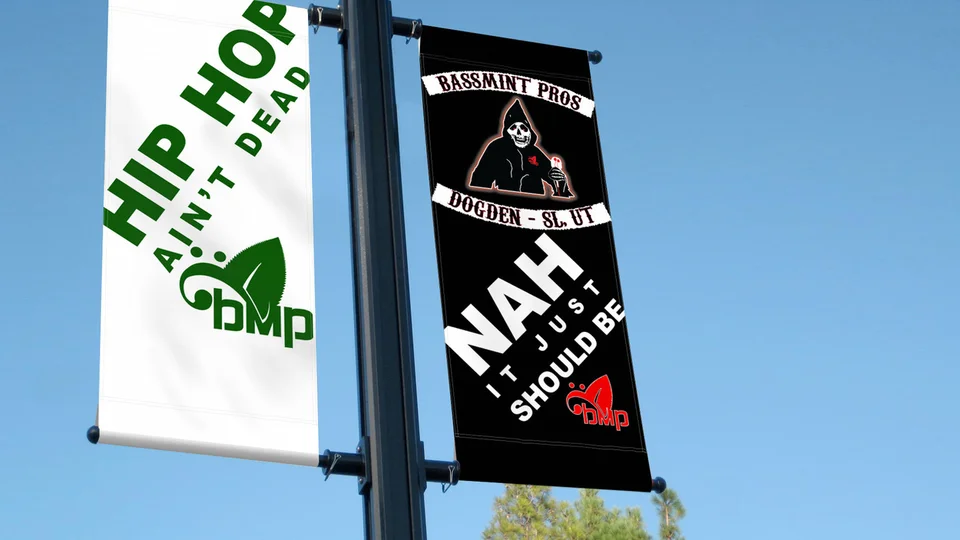
Galactic's portfolio offers existing work for discussing visual hierarchy, identity consistency, and practical application. Look beyond the first page and ask how the design helps readers find and understand information. The portfolio examples shown here are broader studio work, not represented as Fircrest commissions.
Strong materials can support credibility and a more useful decision process. Their commercial effect also depends on the offer, distribution, and business follow-through. Define the reader's task before judging the result, and ask how the design improves that task rather than assuming polished graphics guarantee a sale.
Questions about graphic design in Fircrest
Can you redesign our existing proposal template?
Yes. Start with the content and the questions readers find difficult. Review the source files, editing software, and common variations before choosing a scope. A focused update may be sufficient when the underlying structure is sound.
Should proposals and capabilities sheets share a layout?
They should feel related, but their purposes differ. A proposal needs engagement-specific detail, while a capabilities sheet introduces the business. Shared typography and identity can connect them without forcing the same reading sequence.
Can staff prepare future versions?
Editable templates can be part of the scope. Specify who will use them, what changes, and which software is available. Confirm file delivery and licensing so the team can maintain the materials as intended.
What images should we provide?
Bring relevant work you have permission to show and explain what each example demonstrates. Good captions are part of the content. Conceptual illustrations can support an explanation, but they should be clearly distinguished from completed projects.
How should we review the finished piece?
Use it for the actual customer task. Check scope, assumptions, examples, and next steps before approving production. Inspect the output at its intended size and verify changing details each time a reusable document is prepared.
Connect the next part of your project
Fircrest web & design services · Fircrest web development · Fircrest logo design · Explore the Galactic portfolio · Browse all service areas · Design services in Tacoma · Design services in Lakewood
Plan your next step
Give your business a useful next step
Bring a proposal or introduction sheet that needs to explain your work better. We can shape Fircrest business graphics around clear scope and confident customer decisions.
Discuss your Fircrest project