

Give each local and regional customer a clear route
Medina’s city parks page documents park facilities and recreation resources, while the General Plan addresses parks, recreation, trails, land use, transportation, housing, and economic development. The 2024 Comprehensive Plan provides long-range planning context. A business site should describe its own coverage and access rather than treating city plans as proof of current services or customer behavior.
A nearby resident may need service boundaries, preparation, and scheduling details. A Evergreen Point corridor customer may need hours and accurate directions. A regional buyer may need capabilities, qualifications, and a useful inquiry route. Navigation should support these real differences without duplicating one generic location page.
A lake and evergreen canopy can support visual orientation, but scenery cannot define parking, accessibility, delivery, response time, or eligibility. Keep those claims in accessible text, verify them before launch, and assign responsibility for updates.
Map services before counting pages
List the offers that require distinct explanations. One service may need examples, preparation steps, and exclusions; another may be simple enough to summarize. A homepage can orient people, while deeper pages answer questions for those comparing providers. The map should follow customer decisions rather than an arbitrary page count.
Use navigation labels people recognize. Internal product names may be precise to staff but obscure to a new visitor. If two audiences need different proof or next steps, provide separate paths. The more quickly a person can find the right information, the less likely they are to abandon the site or send a poorly matched inquiry.
Before requesting a proposal, decide who will provide approved copy, photography, policies, and technical facts. Determine whether content writing, editing, migration, and redirects are included. A quote that lists pages but leaves all important words unwritten describes only part of the project.

Make a form useful for both customer and team
A call to action should say what happens: request a consultation, ask about availability, or begin an estimate. The form can then collect only the information needed for that next conversation. A service-area question may be essential for a traveling provider; a detailed budget field may be unnecessary for a simple retail inquiry.
Confirmations and error messages are part of the experience. A visitor should know whether the request was sent and what to expect next, without a made-up response promise. Test the path on a phone, with keyboard navigation, and with fields left incomplete. A form that looks polished but fails under normal use harms trust.
Good structure, accessible content, and responsive performance can make a site easier to use and understand. They can support search visibility, but they do not guarantee ranking or inclusion in AI-generated answers. Demand, competition, reputation, and the accuracy of information across channels also matter.

Design around real copy and real constraints
Galactic starts with audience, offer, and business goal. A page map and outline show how information will fit before visual polish. We then shape hierarchy, imagery, and interface around the content customers need. Important terms stay in HTML text rather than being hidden inside decorative graphics.
If the current visual identity works, it can guide the site. If the mark fails in a small header or conflicts with other materials, Medina logo design may help. A downloadable sheet or campaign image can be scoped through graphic design when it serves a specific user task.
Plan for maintenance before launch. Owners need to know who controls the domain, how pages are edited, and who checks changing service details. A site that remains accurate is more valuable than one that only looks complete on launch day.

Compare site proposals by the work behind the pages
Determine whether the scope includes discovery, copy, visual design, development, mobile testing, forms, accessibility checks, metadata, redirects, launch, and editing guidance. Different projects need different tasks, but the proposal should identify them. That makes it easier to compare providers without treating every “five-page site” as equivalent.
Timing depends on content readiness, distinct page types, integrations, approvals, and required testing. A brochure-style site and one with booking or protected workflows require different plans. If a date is important, define the smallest complete first release and keep later additions separate.
Clarify rights and access. Who owns hosting and the domain? What happens to existing URLs? Are photography and fonts licensed for the intended uses? Which files or credentials are handed over? These questions affect the owner’s ability to operate the site after the project ends.
Test the journey before publishing
Discovery defines the main audiences, services, constraints, and questions. The first outline gives the team a concrete way to review page roles. Design drafts then show how real copy, navigation, and imagery work together. Useful feedback should point to where a customer misunderstands the business, not only to a color preference.
Before launch, test key pages on small and large screens. Check that links, form errors, confirmations, headings, and images behave as intended. Read a page as someone new to the business: can you tell whether the service fits, whether Medina is in its coverage, and how to proceed?
At handoff, confirm approved content, working inquiries, account access, and any agreed editing instructions. After launch, real customer questions can guide updates. The site is a communication tool to maintain, not a one-time promise of leads.
Protect privacy while making service information useful
A Medina customer may need to know whether a provider comes to a residence, how appointments are scheduled, what preparation is required, and which areas are covered. Answer those questions beside the relevant service. Avoid unnecessary collection or publication of personal addresses, household information, gate instructions, or project details when a safer general description will support the inquiry.
Keep essential services, policies, form labels, confirmations, and errors in accessible HTML. Use familiar navigation, descriptive links, visible keyboard focus, and readable contrast over lake-inspired colors. Forms should collect only information needed for the next conversation, explain how sensitive details should be shared, and work reliably on a phone.
Medina’s shoreline rules apply to both public and private uses, and most waterfront is private. Use official park and dock pages when describing public access, and avoid turning a scenic image into an access claim. Assign someone to review hours, coverage, policies, and links so the site remains accurate as services change.
Use portfolio sites as a reference for decisions
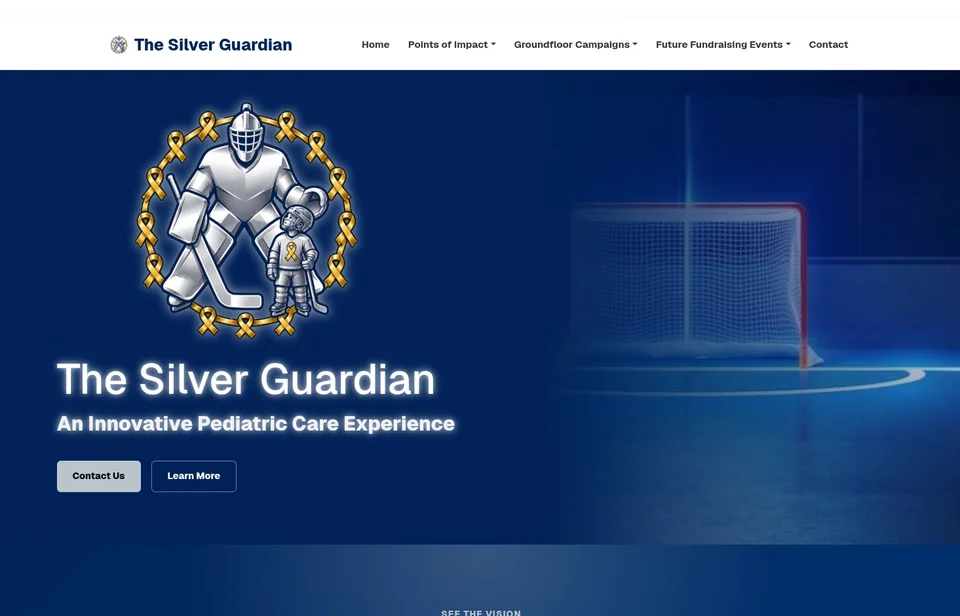
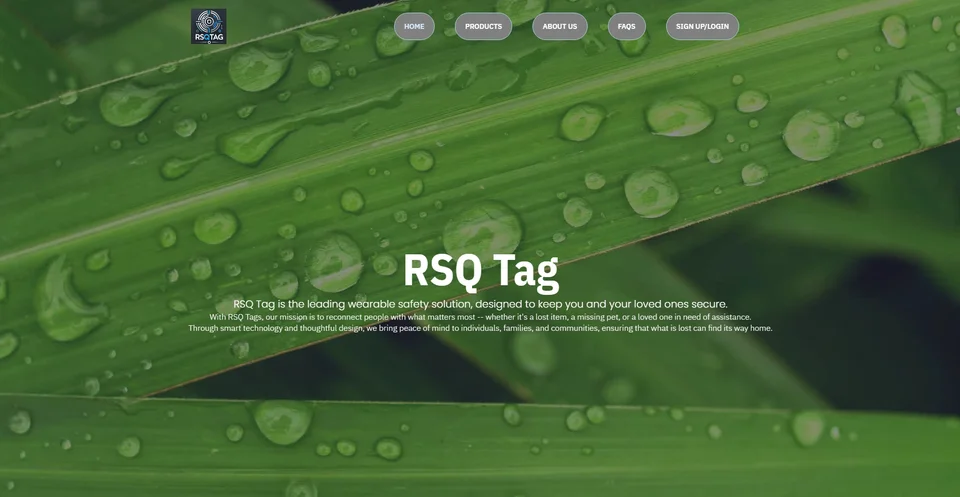
Galactic’s website examples show completed work for businesses elsewhere, not Medina commissions or measured performance. Review how they organize services, present visuals, and make the next action understandable. A portfolio image alone does not tell you whether a different business’s customers would need the same structure.
Assemble your current site and examples of what you find clear or confusing. A strong brief can explain content ownership, mobile priorities, service boundaries, and the form fields that make an inquiry useful. That gives a provider enough context to propose work that fits your operation.
If the business serves multiple parts of the region, each location page should contribute real information rather than repeat the same paragraph with a different name. Related Seattle and Bellevue pages can show regional context, but the owner should publish only coverage it can verify.
Questions about web development in Medina
Does every service need its own page?
Only when customers need distinct details or a different decision path. First identify the questions each offer must answer.
Can one site serve Medina and regional customers?
Yes. Give each real audience relevant coverage, evidence, and a next action without repeating generic copy.
Who supplies the copy?
That depends on the project scope. Your team should confirm service facts, policies, qualifications, and any regulated claims.
What changes the cost or schedule?
Content readiness, page types, integrations, migration, testing, and approval cycles all affect effort.
Will a new website guarantee search traffic?
No. Clear accessible pages support discovery, while competition, relevance, reputation, and many other factors influence results.
Ready for a useful next step?
Make the next website visit more useful.
Tell us which services need explaining, where your current site falls short, and how your team will maintain it. We can discuss a practical Medina web scope.
Discuss your Medina project