

Make the business inviting and easy to understand
A business can have a distinctive personality and still make its offer difficult to understand. Visitors may enjoy the imagery but struggle to find the service, determine whether a program is current, or decide how to take the next step. Good web and design work brings character and practical information into the same experience.
The City of Edmonds describes its downtown Creative District as a mix of arts, culture, creative businesses, and public gathering places. That setting offers useful context for thinking about presentation. It does not mean every Edmonds business serves visitors, belongs to the district, or should use the same visual style.
Galactic Digital Studios helps Edmonds businesses connect their websites, customer materials, and identities around a clear offer. We consider what makes the business distinctive alongside the details people need to make an informed decision about contacting, visiting, or engaging with it.
Separate lasting information from the changing announcement
Begin by identifying what stays true about the business and what changes regularly. Core services, positioning, and the working process may remain stable, while a workshop, limited collection, or special program needs frequent updates. Those two kinds of information should support each other without competing for attention.
A temporary announcement can introduce something new, but it should not obscure the basic offer. Someone arriving after the announcement ends still needs a useful path through the website or materials. Plan where dated content will live and who will retire or revise it.
For a hypothetical creative business, a permanent service page might explain the ongoing offer while a separate announcement carries a specific program. This is a planning example, not a claim about a local client. The appropriate structure depends on the business’s actual activity.
Choose the work that supports the customer decision
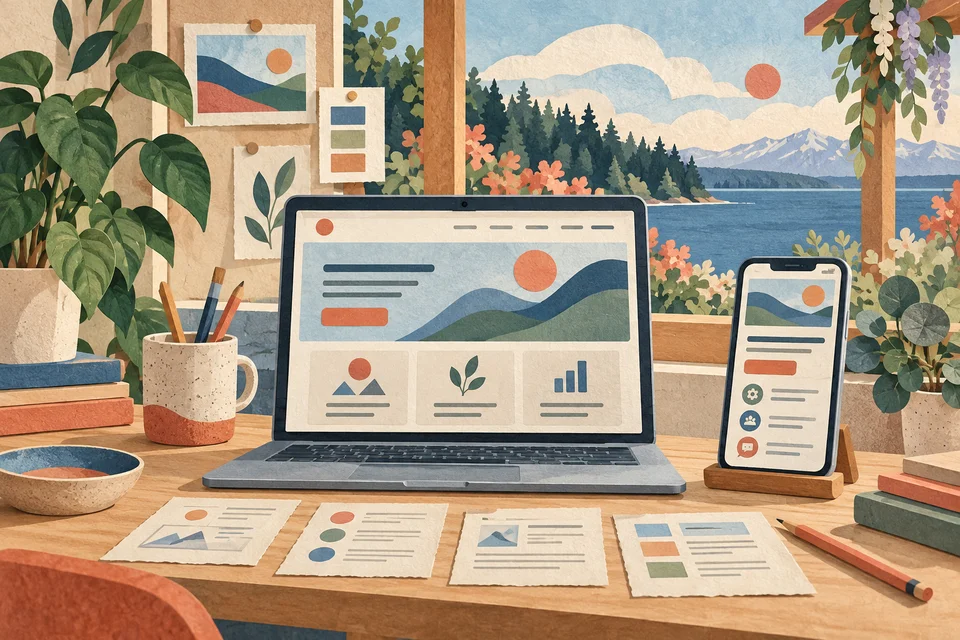
Web development gives people a dependable place to understand the business and find current information. A site can distinguish ongoing services from dated items, connect related content, and provide an appropriate inquiry or registration path. The functionality should reflect what the team can maintain.
Graphic design makes the message usable across posters, handouts, presentations, and digital announcements. Each format needs a readable hierarchy and enough context to stand alone. A design system can keep the pieces related while adapting the amount of detail to the situation.
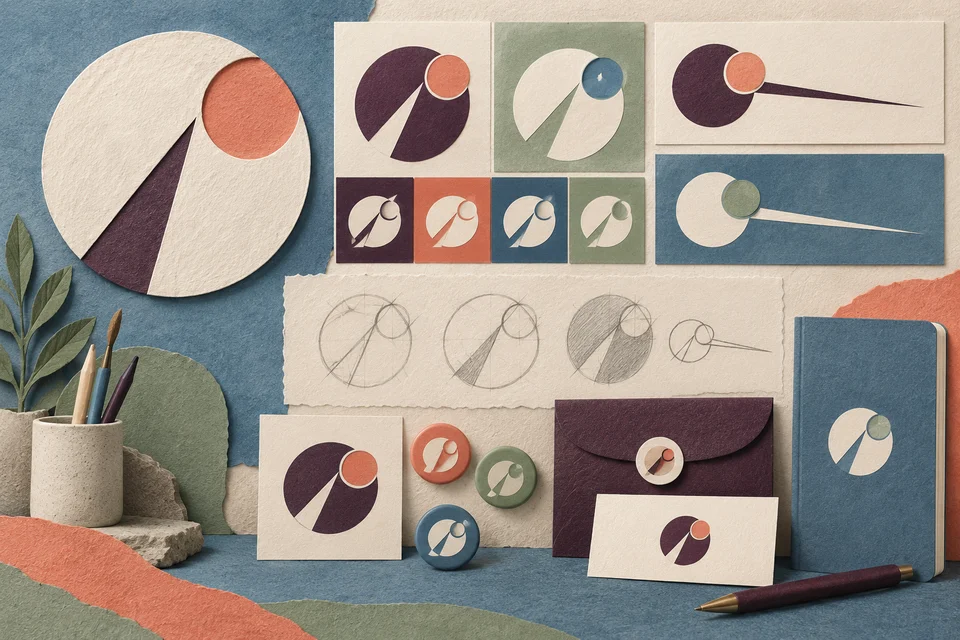
Logo design creates a recognizable identifier that continues across those changing messages. It should remain clear on a small card, a website header, and a larger presentation. The mark establishes continuity while the surrounding content explains what is available now.

Let personality support the information
Discovery should clarify the audience, the offer, and the impression the business wants to create. Translate broad qualities into practical choices: a welcoming tone might call for clear explanations and approachable imagery, while a precise service may need particularly careful organization of scope and process.
Use the business’s own material where it can be published accurately. Confirm image rights, descriptions, and any claims before designing around them. If authentic assets are limited, agree on a suitable content plan rather than allowing decorative imagery to imply work or facilities that do not exist.
Review the result through ordinary customer questions. What does the business do? Is this information current? What happens after the next action? A distinctive appearance has more value when people can answer those questions without unnecessary effort.
Approve a system before producing every variation
Start with a content inventory, a list of required outputs, and a clear approval owner. Identify recurring updates and any important release dates. Separate factual decisions from visual preferences so the review process can resolve both efficiently.
Develop a representative page or piece that combines the core message with the visual direction. Review it using actual copy and images. Once the approach works, extend it to other formats while checking that each still serves its own purpose.
Before release, verify dates, links, action labels, and the relationship between permanent and temporary content. Staff should know which files are approved and how the next update will happen. Handoff is part of making the design useful over time.
Plan for the amount of change your team can manage
Cost and timing depend on content readiness, distinct layouts, website features, revisions, and production needs. A business with frequent announcements may benefit from reusable structures, but templates still require a person to supply accurate information and approve each release.
A focused first phase can establish the core website or a small set of essential materials. Additional campaigns or formats can follow when the process is working. Define a complete, usable endpoint for each phase instead of leaving critical customer information unfinished.
Agree on ownership, software access, training, and support after delivery. Routine content updates and larger design changes are different responsibilities. A useful scope makes those boundaries visible so the business can plan ongoing work realistically.

Look for a balance of expression and clarity
When reviewing design examples, consider both their visual character and their usability. Can you locate the essential information? Does the work remain readable in the intended format? Does the explanation make clear what the provider contributed and why the choices were made?
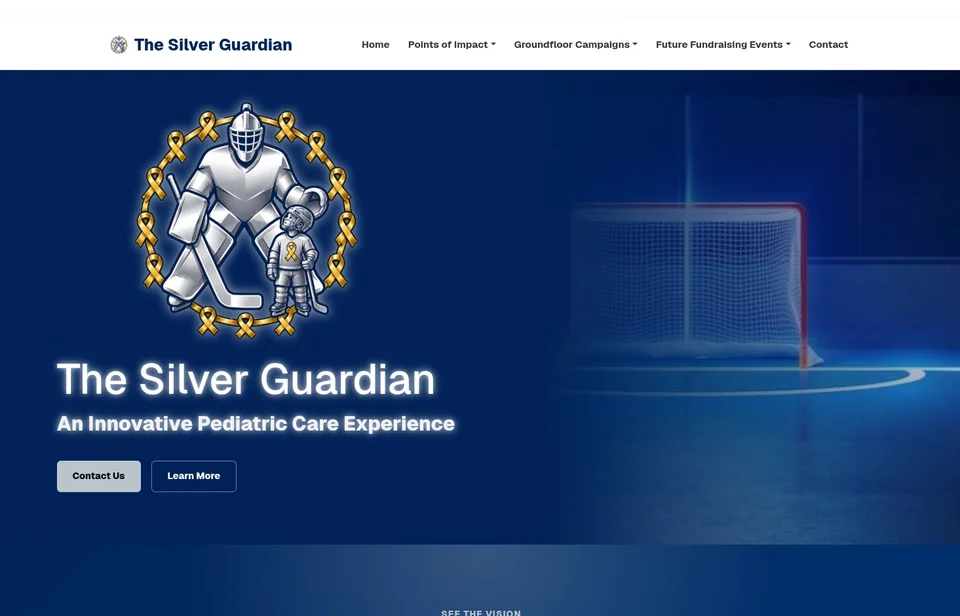
The conceptual illustrations here demonstrate possible directions, and portfolio images show broader studio work. They do not establish Edmonds clients, a local office, or Creative District affiliation. Use them to discuss the qualities your project needs rather than assume a promised commercial outcome.
Web & Design Services questions for Edmonds businesses
Do we need a completely new identity before updating the website?
No. Existing branding may be suitable for a website or graphic project. Review the available assets and the communication problem first. A logo redesign should have its own reason and defined scope.
Can you help with recurring announcements?
Recurring formats can be planned as part of a design system. Identify the channels, changing information, and person responsible for updates. Templates and ongoing production support should be specified according to the actual workload.
Should every announcement be on the homepage?
Not necessarily. The homepage should keep the core business understandable. Some announcements deserve prominence, while others belong in a dedicated section. Plan how dated content will be updated or removed.
What should we prepare for a project discussion?
Bring current materials, the offer you want to communicate, and examples of information customers struggle to find. Known deadlines, brand files, image permissions, and an approval owner help define a realistic starting point.
Can the work be phased?
Yes, when each phase has a clear purpose and usable endpoint. Establish dependencies and priorities before separating the work. Pricing and scheduling depend on the agreed deliverables and available inputs.
Explore related services and nearby areas
Edmonds web development · Edmonds graphic design · Edmonds logo design · Everett services · Brier services · Galactic portfolio
Plan your next step
Make the next step feel straightforward
Share what your business offers and how customers encounter it. We can plan web and design work that communicates your character, organizes the essentials, and supports manageable updates.
Discuss your Edmonds project