

A small-city site should define its real reach
Sunset’s town center planning background describes existing commercial areas along Main Street and smaller pockets near 1300 North and 1800 North. The city’s plans discuss future change, but a business site should describe its current location, operation, and service boundary. A visitor needs today’s answer, not an assumption about planned development.
A hypothetical repair provider may travel across several Davis County communities. A neighborhood shop may need accurate hours and parking details. A specialist may work remotely. Those businesses need different page structures and inquiry paths, even though all serve people connected to Sunset.
Galactic Digital Studios can organize real facts into usable web pages. The site should say what the business offers, where or how it works, and what happens after an inquiry. It should not imply a Sunset Galactic office or promise that a nice design alone will produce sales.
Map pages to customer questions
List the services that require distinct explanations. A homepage can orient people, but a focused page may be needed to cover scope, exclusions, preparation, and next steps. A page map based on customer decisions is more useful than selecting a page count before the content is known.
Use labels new visitors understand. Internal shorthand may be familiar to staff but unclear to customers. If local and regional buyers need different information, give them sensible paths. Do not make someone submit a form simply to learn whether a service is available in their area.
Before a proposal, decide who supplies approved copy, photos, policies, and technical facts. If an old site is being replaced, identify important URLs. Ask whether writing, editing, migration, redirects, and form setup are included. A quote listing pages without responsibilities is incomplete.

Make the inquiry match the business process
A call to action should tell a visitor what will happen: request an estimate, check availability, or discuss a project. A form should ask only for information useful in the next conversation. A traveling provider may need location; a simple consultation may not need a long questionnaire.
Test errors and confirmation messages. People should know whether a request was submitted, without an invented response-time promise. On mobile, controls and type should remain easy to use. Keyboard access, clear labels, and readable contrast help more visitors complete the path.
Good structure and accessible HTML content can support discovery, but they do not guarantee rankings, AI citations, or lead volume. Relevance, reputation, competition, and current information beyond the site also matter. A dependable site gives customers a clearer place to evaluate the business.

Build the interface around approved information
Galactic begins with audience, business goal, and the question the page must answer. A page map and content outline make priorities visible before visual polish. Layout and imagery should reinforce the answer while important words remain in accessible text.
If the existing mark works in a small header, use it consistently. If it does not, Sunset logo design may help. A service sheet or diagram can be scoped through graphic design when it helps a specific customer task.
Plan for updates during design. Services, hours, coverage, and staff information change. The owner should know who controls the domain and accounts and how approved pages are edited. A maintainable site is more valuable than one that only looks complete on launch day.

Compare proposals beyond the page count
Ask whether the scope includes discovery, copy, visual design, development, mobile testing, forms, accessibility checks, metadata, redirects, launch, and editing guidance. Not every project needs every task, but a proposal should name what is included so owners can compare equivalent work.
Timing depends on content readiness, distinct page types, integrations, review cycles, and factual approvals. A straightforward service site differs from one with booking or protected features. If a date matters, define the smallest complete first release and what can follow later.
Clarify ownership and rights. Who holds the domain and hosting accounts? Are photos licensed for this use? What happens to important old URLs? Which credentials or files are handed over? These questions affect the business after the design review ends.
Test like a first-time customer
Discovery identifies audiences, services, constraints, and missing facts. A draft page map and real copy give the team a concrete way to review priorities. Feedback should focus on whether a visitor can understand the offer and choose a useful next step.
Before launch, test links, forms, headings, image descriptions, and keyboard movement at phone and desktop widths. Read the service page without prior knowledge: can you tell whether the business serves Sunset, what it includes, and how to begin? Fix missing answers before minor decoration.
At handoff, confirm approved pages, working inquiry paths, account access, and any agreed editing instructions. Real customer questions after launch can guide updates. Publishing a site begins the communication work; it is not proof of a measured business outcome.
Review portfolio sites for practical choices
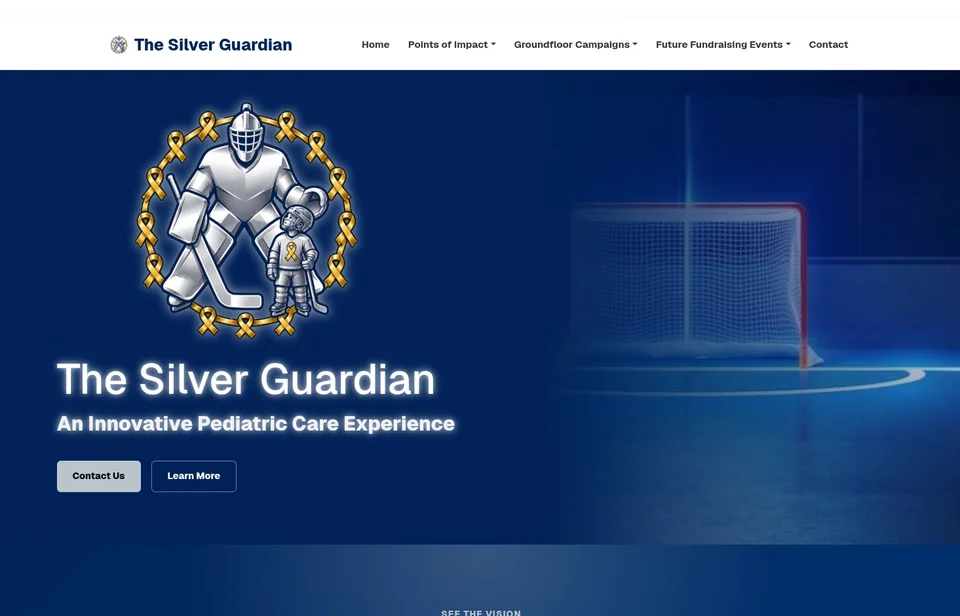
Galactic’s website portfolio shows completed work for businesses elsewhere, not Sunset commissions or guaranteed outcomes. Look at how the examples organize services, present information, and guide the next step. A screenshot cannot tell you whether another business’s structure fits your customers.
Bring your current pages and common customer questions. A useful brief can then specify content ownership, mobile priorities, service boundaries, and what makes an inquiry worth following up. That gives a provider more to work from than a request for a modern look.
If your actual coverage extends beyond Sunset, explain it clearly rather than publishing near-duplicate place pages. Each page should add information a customer needs, including visit or travel limits when relevant. Accuracy matters more than repeating a town name many times.
Questions about web development in Sunset
Does every service need its own page?
Only when customers need distinct details or a different decision path. Organize pages around real questions.
Can the site show nearby service areas?
Yes, if the business actually serves them. Explain travel, visit, delivery, or remote-work limits.
Who writes and approves the copy?
That depends on scope. Your team should verify service facts, policies, qualifications, and regulated claims.
What affects cost and schedule?
Page types, content readiness, integrations, migration, testing, and approvals all affect effort.
Will a new site guarantee search traffic?
No. Clear accessible pages support discovery, while relevance, competition, reputation, and other factors influence results.
Ready for a useful next step?
Make the next website visit more useful.
Tell us what customers need to learn, what the current site misses, and what your team needs to manage. We can discuss a practical Sunset web scope.
Discuss your Sunset project